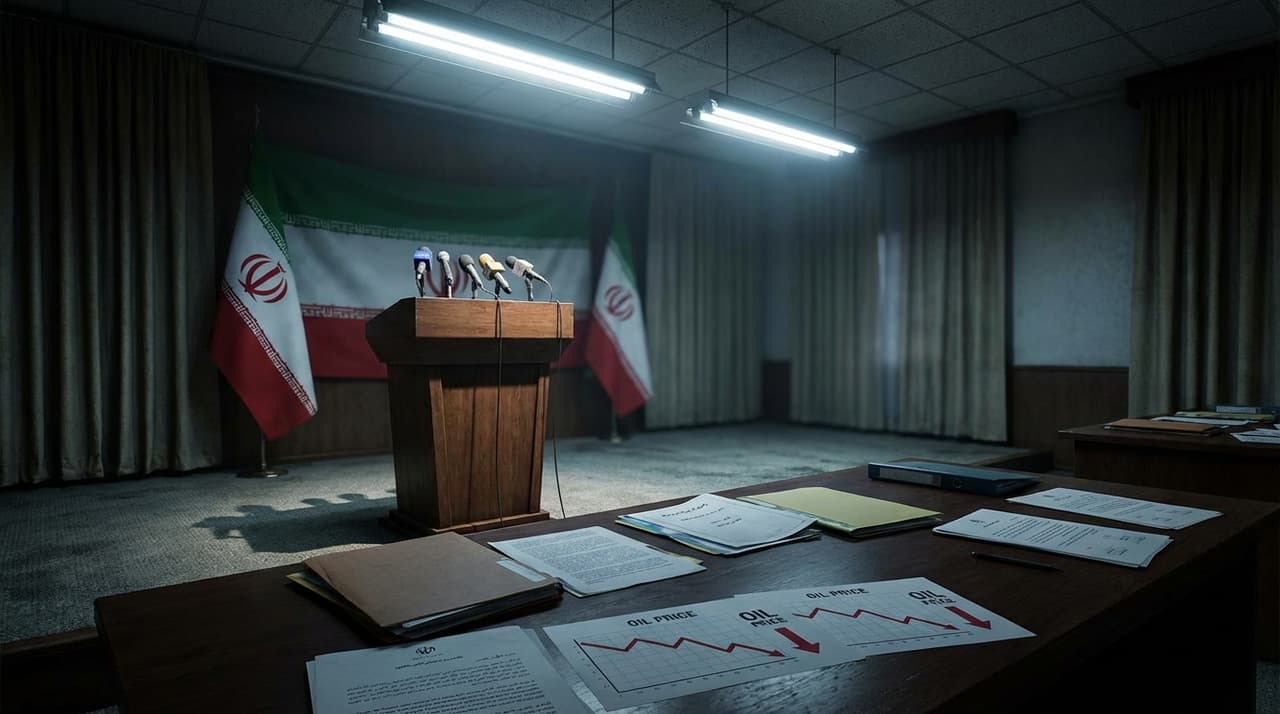
- Iranian President Masoud Pezeshkian asserts Iran is in a full-scale conflict with the US, Israel, and Europe, citing economic and military pressures.
- The statement comes ahead of Israeli Prime Minister Benjamin Netanyahu's US visit to discuss potential strikes on Iran with President Donald Trump.
- Iran faces worsening economic conditions, including high inflation and declining oil revenues, amid ongoing sanctions and recent military escalations.
Escalating Rhetoric and Military Posturing
In a stark declaration on December 27, 2025, Iranian President Masoud Pezeshkian stated that Iran is engaged in an "all-out war" with the United States, Israel, and Europe, framing the multifaceted pressures—economic, cultural, political, and security-related—as more damaging than the 1980s Iran-Iraq War. According to people familiar with the matter, this rhetoric is aimed at rallying national unity ahead of critical diplomatic moves, including Netanyahu's upcoming trip to Washington, where discussions are expected to focus on coordinated military options against Iranian targets.
Pezeshkian emphasized Iran's military readiness for any new attacks, warning that the country would respond decisively. This follows the June 2025 12-day war with Israel, which saw Israeli airstrikes and US bombings target nuclear and military sites in Iran, resulting in over 1,000 Iranian casualties. Iran retaliated with missiles and drones, killing 33 Israelis, according to recent intelligence assessments. Since then, Iranian missile drills and unusual air activity have alarmed Western officials, with Israeli warnings shared via US Central Command suggesting these movements could mask preparations for further strikes.
Economic Turmoil and Sanctions Impact
Amid the bellicose statements, Pezeshkian acknowledged severe economic challenges, including high inflation, a weaker currency, and falling oil revenues. These issues are exacerbated by sanctions designed to weaken Iran and incite internal unrest, part of what he described as a broader siege more complex than past conflicts. Efforts to stabilize the economy have hit a snag, with oil exports declining and living conditions worsening for civilians, according to sources close to the Iranian government. Without a deal to ease sanctions, the country could face deeper isolation, though officials have not detailed specific relief measures.
Political Maneuvering and Regional Implications
The timing of Pezeshkian's remarks is notable, preceding Netanyahu's US visit and coinciding with Tehran's rebuilding of missile facilities and air defenses. US-Israel coordination has intensified since June, including joint strikes on Iranian nuclear sites, raising the stakes for any miscalculation. In a brief quote paraphrased from his speech, Pezeshkian urged unity to counter what he framed as external agitators, though attempts to reach Iranian officials for further comment were unsuccessful. Analysts note that this hybrid warfare approach—blending military threats with economic and political pressure—could lead to short-term escalation risks, particularly if Israeli or US forces target rebuilt Iranian capabilities.
Looking ahead, Iran has vowed a "more decisive response" if attacked, signaling potential for further conflict. While the immediate focus is on Netanyahu's discussions with Trump, long-term implications include deepening economic isolation and ongoing hybrid tactics. Updates on Iranian military movements are expected from Western intelligence in the coming days, with some corrections to initial casualty figures from the June war still under review by independent observers.