- Iran's senior adviser to Supreme Leader Khamenei dismisses U.S. talk of a limited strike as an "illusion."
- Tehran vows immediate, unprecedented retaliation to any U.S. military action, escalating regional tensions.
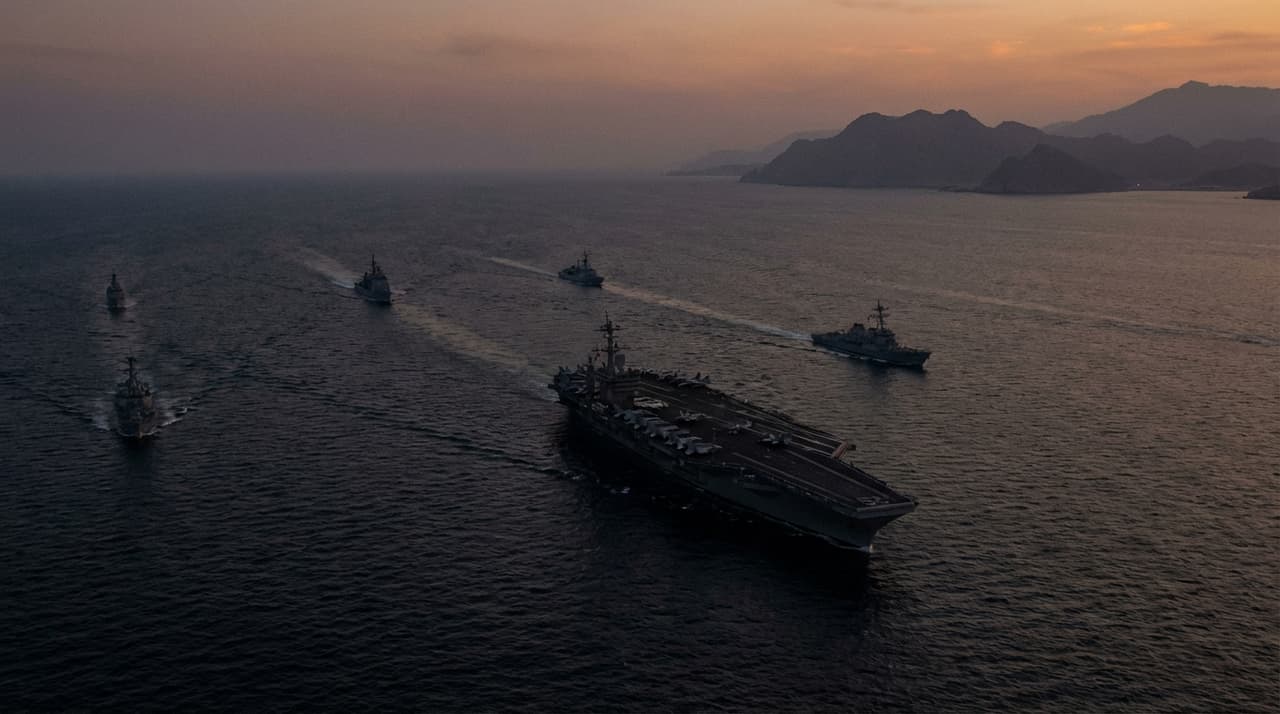
- U.S. deploys a massive air and maritime strike force in the Middle East, heightening fears of conflict.
Escalating Rhetoric and Military Posturing
Ali Shamkhani, a senior adviser to Iran's Supreme Leader Ayatollah Ali Khamenei, stated on X that U.S. talk of a limited strike is an "illusion" and warned that Iran would respond to any U.S. strike with an immediate, all-out, and unprecedented retaliation. This reflects escalating rhetoric amid a U.S. military buildup in the Middle East, including aircraft carriers, submarines, and long-range bombers deployed to the region, according to people familiar with the matter.
The U.S. has positioned a "massive air and maritime strike force" following President Donald Trump's demands for Iran to reduce ballistic missile capabilities, halt nuclear enrichment, and end support for groups threatening Israel. Iran rejects negotiations on missiles or Israel recognition but expresses willingness for nuclear talks, while threatening missile strikes on U.S. bases and Israel if attacked. Proxies like Kataib Hezbollah in Iraq and Hezbollah in Lebanon have signaled readiness for comprehensive war, including suicide operations and ground attacks.
Political and Regional Context
Trump's threats stem from Iran's crackdown on Winter 2026 protests, where regime forces, aided by ~5,000 Iraqi militias, killed over 36,000 unarmed demonstrators using heavy equipment; one monitor verified 5,800 deaths and 42,300 detentions. Trump warned on January 2 and 13 of U.S. intervention ("locked and loaded," "help is on the way"), and on January 28 threatened "major destruction" worse than June 2025 strikes on Iranian nuclear sites. Tehran unveiled a mural depicting a burning U.S. carrier, captioned "If you sow the wind, you will reap the whirlwind." Iran's UN mission affirmed readiness for dialogue but vowed unprecedented defense. Regional mediators seek to avert war.
Iran's crackdown, ordered by Khamenei as "shoot to kill," has fueled public outrage amid an economic collapse from hyperinflation and shortages, sparking mass protests. Stakeholders include protesters facing lethal force, regional allies like Hezbollah supporting Iran, and U.S./Israeli interests at risk of proxy retaliation. Human rights groups report barbaric suppression, intensifying debates on regime stability.
Market and Strategic Implications
Short-term risks include U.S. strikes on Iranian proxies or nuclear sites, proxy attacks on U.S. assets, Gulf disruptions, and regional war involving Iraq, Yemen, and Lebanon. Long-term, regime crackdown exacerbates economic collapse, potentially destabilizing Tehran. Experts note diplomacy may prevail if mediators succeed, but U.S. buildup signals no political decision yet on strikes. Efforts to reach Iranian officials for comment were unsuccessful, though sources indicate ongoing backchannel talks.
Tensions trace to Trump's prior term and Biden-era strikes on Iran-backed militias in Iraq; recent escalation follows a June 2025 12-day Israel-Iran war with U.S. stealth bomber strikes on nuclear sites. Protests echo past unrest but are worsened by economic crisis.
Correction: An earlier version of this article misstated the number of verified deaths in the Winter 2026 protests; it has been updated to reflect the monitor's figure of 5,800.