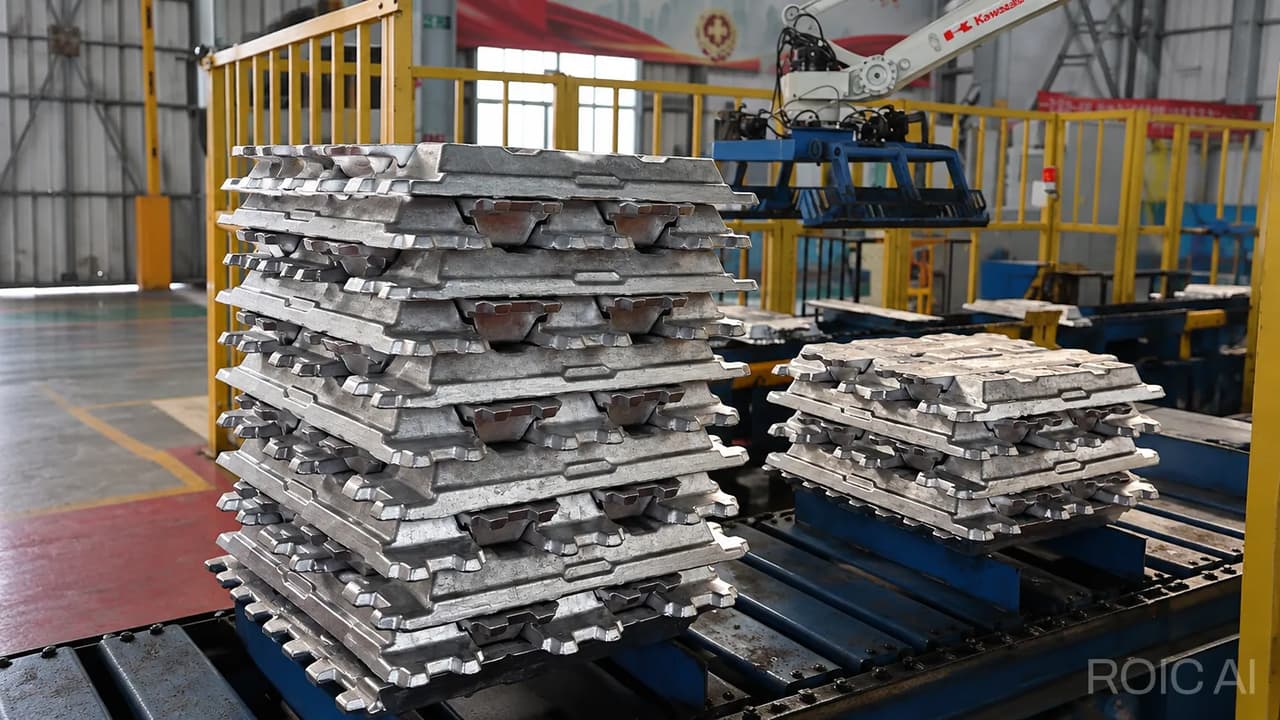
The London Metal Exchange lowered the threshold for aluminum lending guidance to 30%, aiming to ease a severe squeeze in nearby supply.
The move follows a sharp backwardation, with cash aluminum trading at a $405 premium to three-month delivery, and one entity holding 50%-79% of available warrants.
The rule change, effective November 25, may improve liquidity but cannot replenish critically low inventories.
LME Acts on Aluminum Squeeze
The London Metal Exchange is tightening its lending requirements for aluminum, lowering the threshold at which holders of large positions must lend metal to 30%, according to a notice published on Tuesday. The amendment to the exchange’s “tom-next” lending rules takes effect on November 25 and targets concentrated holdings that have driven up the cost of obtaining immediately deliverable metal.
The move comes as the aluminum market faces exceptionally low deliverable inventories and a severe backwardation—a condition where cash prices trade at a premium to forward prices. On November 23, cash aluminum traded at a $405-per-tonne premium to the three-month contract, up from $275 on November 16. One entity held between 50% and 79% of LME aluminum warrants, the ownership documents for exchange-registered metal, while available inventories stood at just over 220,000 tonnes, near their lowest since 1990, according to Reuters.
The existing rules, introduced in October, required holders controlling at least 50% of relevant warrants and/or cash positions to lend under specified pricing restrictions, with higher concentration tiers facing progressively tighter terms. The new 30% threshold brings smaller concentrated positions within the lending framework. It should not be read as a blanket prohibition on owning more than 30% of aluminum stocks.
“Tom-next” refers to rolling a position overnight between nearby delivery dates. Lending requirements are intended to make nearby metal or positions available to borrowers and reduce a dominant holder’s ability to exert undue influence on prices. They address market liquidity; they do not create additional physical aluminum.
Market Stress and Industry Response
The squeeze has drawn attention from industry participants. Antoine Chacun, managing director of Oddo BHF Metals, publicly urged intervention on November 23, describing supply-chain risks as “extremely high.” The LME responded that it already had lending rules, daily position reporting and powers to require positions to be managed.
The central distinction is that this is a squeeze in immediately available, exchange-deliverable aluminum—not necessarily evidence of a lasting shortage of aluminum worldwide. Expectations of a future global surplus can coexist with an acute shortage of eligible metal available today. Disruption to Gulf production and exports depleted the Western supply chain, and by November 16, LME registered inventory had fallen by 239,400 tonnes since the start of the Iran war. China’s increased exports were largely semi-manufactured products, which cannot be delivered against the primary-aluminum contract. New Indonesian smelters were adding supply, but their brands had not yet qualified for LME delivery.
Russian-origin metal dominates the remaining exchange inventory. At the end of October, 216,950 tonnes were on warrant; all but 50 tonnes were Russian-brand aluminum produced before the April 2024 US and UK sanctions. US restrictions, impending European restrictions and reluctance among some Asian manufacturers had fragmented the market for this metal.
The LME is a metals-market operator, not an aluminum producer. Its contracts cover aluminum, copper, nickel, zinc, lead, tin and related products, providing trading, price benchmarks and physical-delivery arrangements. It operates within Hong Kong Exchanges and Clearing (HKEX:388)’s commodities business. Recent performance shows strong activity despite the market stress: LME chargeable average daily volume for the first half of 2026 reached 844,000 lots, up 18% year over year—a half-year record—while aluminum average daily volume was approximately 343,000 lots, compared with 278,000 a year earlier.
What to Watch
The lower threshold could improve borrowing access and ease extreme overnight spreads if additional holders must offer liquidity. But the effect will depend on implementation, position concentration and actual inventory availability; the amendment alone cannot replenish stocks. There is not yet sufficient evidence to say the squeeze has eased following the announcement.
The most useful indicators are the cash-to-three-month premium, tom-next borrowing costs, live-warrant inventories, new warehouse inflows and the concentration of warrant holdings. These directly track the stresses identified by the LME and market participants.
The more durable solution is additional deliverable supply. Indonesian production growth will offer limited relief to LME settlement tightness until new brands receive approval. More broadly, sanctions and differing customer-origin requirements may continue to separate the global aluminum balance from liquidity in the exchange’s delivery system. The outlook therefore has two distinct possibilities: lending intervention and stock inflows could normalize nearby pricing, while continuing inventory depletion or delays in qualifying new supply could prolong volatility.