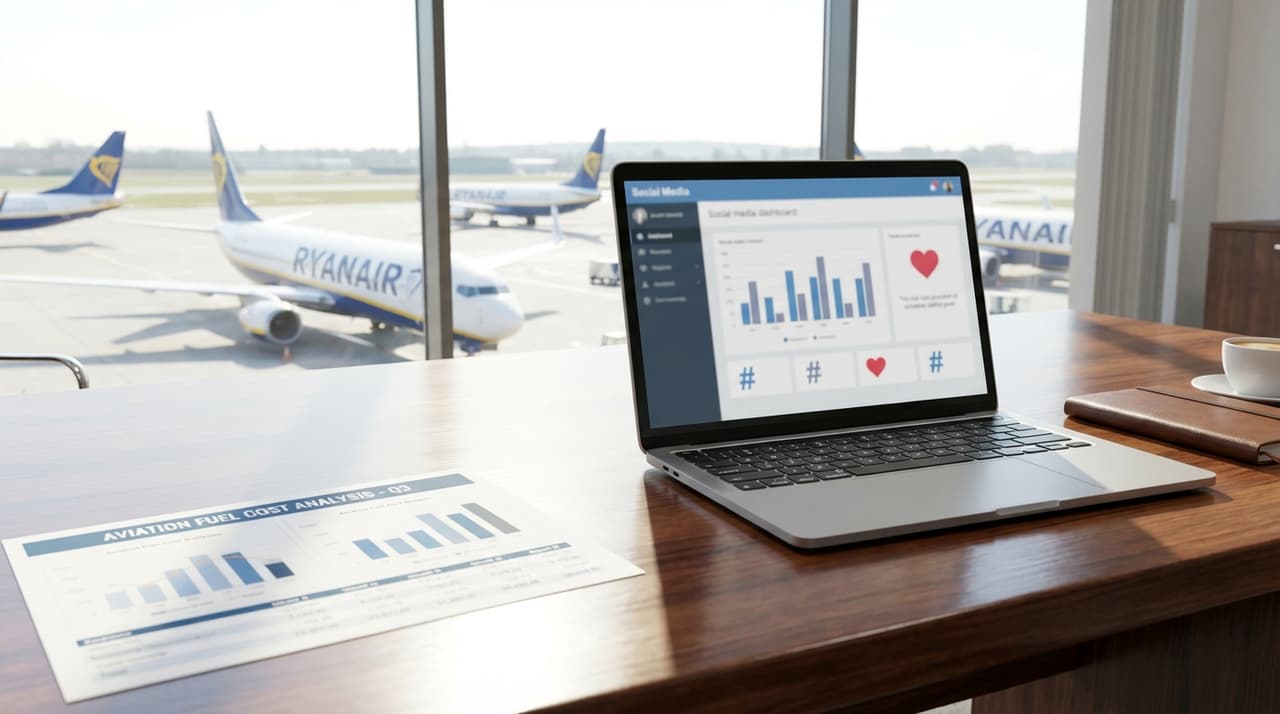
- Elon Musk publicly floated buying Ryanair (RYAAY) after an online feud with CEO Michael O'Leary over rejecting Starlink satellite Wi-Fi.
- Ryanair, Europe's largest ultra-low-cost carrier, remains highly profitable with aggressive expansion, but O'Leary cited a 2% fuel penalty from Starlink antennas.
- The proposal, though unlikely to result in a full acquisition, sparks speculation about potential partnerships or efficiency gains in the aviation sector.
Elon Musk has thrown a curveball into the aviation world, publicly suggesting he might buy Ryanair in the midst of a heated online spat with the airline's CEO, Michael O'Leary. The feud ignited on January 14, 2026, when O'Leary rejected Starlink satellite Wi-Fi for Ryanair's fleet, citing concerns over fuel costs, and escalated rapidly after an X outage on January 16, with Musk calling O'Leary an "utter idiot" who should be fired.
According to people familiar with the matter, O'Leary estimated that Starlink antennas could add $200-250 million annually in fuel expenses due to weight and drag, translating to roughly $1 extra per passenger on one-hour flights. In response, Musk countered with data on fuel impact and warned of potential customer losses, leading to a viral social media exchange where users encouraged Musk with comments like "Do it" and joked about airline pitfalls.
Ryanair, which operates 643 airplanes and served 206 million passengers in 2024, ranks as the world's third-largest airline group by passenger volume. Its ultra-low-cost model, with fares as low as €15, relies on quick turnarounds and revenue from extras like onboard sales, maintaining one of the industry's lowest cost structures. O'Leary, who owns about 4% of the company and is one of Ireland's richest individuals, has led this strategy for years, with the airline recently hitting milestone passenger figures despite broader industry challenges.
In a retaliatory move, O'Leary dismissed Musk's aviation knowledge on Irish radio, calling him an "idiot" and standing firm on the cost concerns. This mirrors Ryanair's abrasive brand style, which analysts note Musk could potentially soften to enhance customer experience without raising fares. The proposal, however, is seen as more of a strategic jab than a serious bid; Ryanair's market cap is estimated at around 4.5-5.1% of Musk's $686-780 billion net worth, akin to a millionaire buying a new car, according to financial observers.
Short-term, a full acquisition is considered improbable, but sources indicate it could pave the way for stake purchases or partnership talks focused on efficiency gains. Musk's expertise in data, automation, and dynamic pricing could align with Ryanair's operational strengths, potentially integrating Starlink to meet growing passenger demand for in-flight Wi-Fi. Long-term, some speculate Musk might leverage Ryanair's profitability to expand into the U.S. ultra-low-cost market, possibly merging with carriers like Spirit or Frontier, though aviation constraints such as crew shortages and regulatory hurdles could limit immediate gains.
As of early 2026, Ryanair continues its European growth amid post-disruption recovery, with no recent leadership changes or restructuring reported. The feud has sparked broader debates about in-flight connectivity costs and shareholder implications, with analysts weighing the strategic fit given Musk's track record of turning jokes into ventures, such as his impulsive bid for Twitter. If pursued, any deal would likely face antitrust scrutiny, particularly in transatlantic contexts, but for now, the aviation industry watches as two high-profile figures clash over the future of budget travel.
Correction: An earlier version misstated the exact date of the initial feud; it began on January 14, 2026, not January 15.