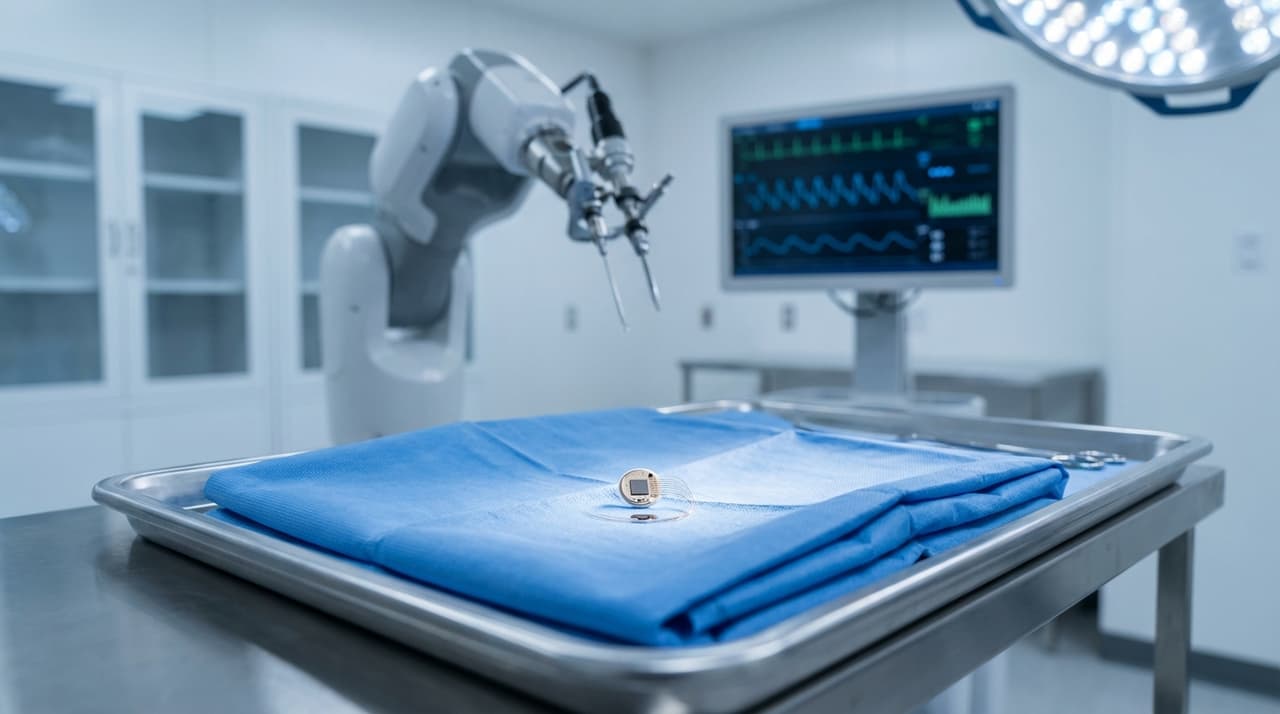
- Neuralink's PRIME clinical trial now includes 21 participants globally, up from 12 in September 2025, with sites in Arizona and Florida and international patient registries open.
- The company, which raised $650 million in a Series E round in June 2025, is advancing its N1 Implant technology to help paralyzed individuals control digital devices via thoughts.
- High-volume production and automated surgical procedures are targeted for 2026, aiming to scale the technology amid growing demand for neurotech solutions.
Neuralink, Elon Musk's brain-computer interface (BCI) startup, has significantly expanded its human trials, enrolling 21 participants worldwide as of late 2025, according to people familiar with the matter. This marks a notable increase from the 12 participants reported just a few months earlier in September, signaling accelerated progress in the neurotechnology sector. The PRIME clinical trial, which focuses on individuals with tetraplegia from spinal cord injuries or ALS, now includes sites in the US, such as Arizona and Florida, with patient registries open internationally, including in Canada.
Efforts to scale the technology have gained momentum following a $650 million Series E funding round in June 2025, which bolstered Neuralink's financial runway. The company, founded in 2016 and employing hundreds, develops the N1 Implant—a device with 1,024 electrodes on 64 threads inserted robotically via the R1 Robot. This technology aims to enable paralyzed patients to perform activities like gaming or typing through thought control, with early participant Noland Arbaugh, implanted in January 2025, demonstrating capabilities such as playing chess despite initial thread retraction issues. In a statement, a company representative emphasized that design tweaks have addressed prior challenges, paving the way for more reliable implants.
Regulatory approval from the US FDA has been a key enabler, allowing human trials to proceed after initial setbacks. The expansion into international markets via patient registries faces varying ethical oversight, but no significant hurdles have been reported yet. Meanwhile, the University of Miami has completed multiple implants as a second US PRIME site, and the Barrow Neurological Institute in Phoenix is actively recruiting for tetraplegia trials, according to sources close to the operations. These developments come as the neurotech industry sees rising investment, driven by demand for assistive devices amid an aging population and increasing paralysis cases globally.
Looking ahead, Neuralink plans to shift to high-volume production and automated surgery in 2026, with safety tracking in the PRIME study extending up to 72 months. Experts, such as surgeons Allan Levi and Francisco Ponce, predict transformative impacts for patients with neurological conditions, though risks like adverse events remain under close monitoring. The company's focus on current developments, rather than extensive historical context, underscores its push to bring BCIs to market, with stakeholders including caregivers and society at large watching closely. Attempts to reach additional comment from Neuralink were not immediately successful, but the ongoing trials suggest a pivotal phase for the privately held startup.