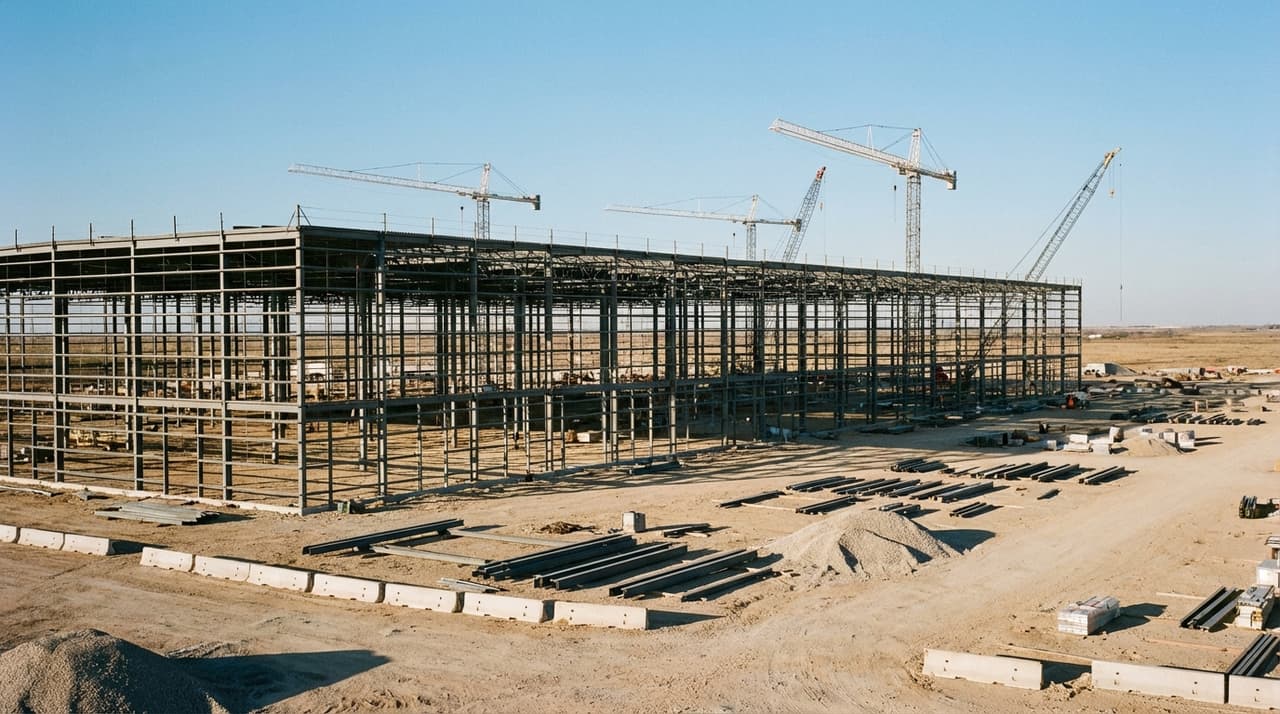
- Oracle (ORCL) delays several OpenAI-related data centers from 2027 to 2028 due to labor and material shortages.
- The facilities are part of a multi-year cloud-compute commitment, with the first site in Abilene, Texas progressing as planned.
- The delay highlights broader industry bottlenecks in AI infrastructure build-outs, though demand remains robust.
Oracle has reportedly pushed back the completion timeline for several data centers dedicated to OpenAI from 2027 to 2028, citing constraints in labor and materials, according to people familiar with the matter. These facilities are part of a significant agreement to supply computing power to OpenAI, often reported in the press as involving hundreds of billions of dollars in aggregate AI-infrastructure scope. While both companies declined to comment on the specific delay, Oracle Co-CEO Clay Magouyrk emphasized that timelines remain ambitious, noting that the first OpenAI data center in Abilene, Texas, is on track, with over 96,000 Nvidia (NVDA) chips already delivered.
The delay underscores the intense pressure on the AI infrastructure sector, where hyperscalers like Oracle are racing to meet soaring demand for high-performance computing. Industry-wide, data center construction faces systemic challenges, including skilled labor shortages, tight supplies of critical components like switchgear and transformers, and power grid interconnect timelines. In Texas, where the Abilene facility is located, state incentives have attracted investment, but grid reliability and infrastructure upgrades remain ongoing concerns. Efforts to reach Oracle and OpenAI for further details were unsuccessful, but sources indicate that the partnership remains intact, with both parties navigating these physical bottlenecks.
Oracle's move reflects a broader trend in the cloud computing market, where companies are building AI-optimized 'mega-regions' rather than general-purpose data centers. The delay may temporarily shift some of OpenAI's compute reliance to existing partners, primarily Microsoft (MSFT) Azure, but analysts suggest that demand is robust enough to fully utilize the capacity once it comes online. 'You can create your own ideas,' one industry executive noted, echoing the competitive yet collaborative nature of the sector. Without timely expansions, companies risk falling behind in the AI arms race, though Oracle's phased approach aims to balance growth with operational feasibility.
Looking ahead, the delay is expected to have minimal long-term impact on Oracle's positioning as a key AI-infrastructure provider. The company continues to invest heavily in GPU clusters and high-bandwidth networking, leveraging its enterprise software base to drive cloud migrations. For OpenAI, the postponement reinforces the need for diversified infrastructure to mitigate risks and support future model developments. As the AI ecosystem concentrates around a few well-capitalized players, such delays may become more common, highlighting the physical limits of rapid technological expansion. Updates on specific site progressions will be monitored as construction timelines evolve.