- Federal Reserve Chair Jerome Powell will attend Supreme Court arguments in Trump v. Cook, an unusual public show of support for Fed independence.
- The case challenges President Trump's attempt to fire Governor Lisa Cook for alleged pre-Fed mortgage fraud, with lower courts ruling it violates the "for cause" requirement.
- Oral arguments set for January 21, 2026, could reshape executive power over independent agencies, impacting monetary policy credibility.
A High-Stakes Legal Battle
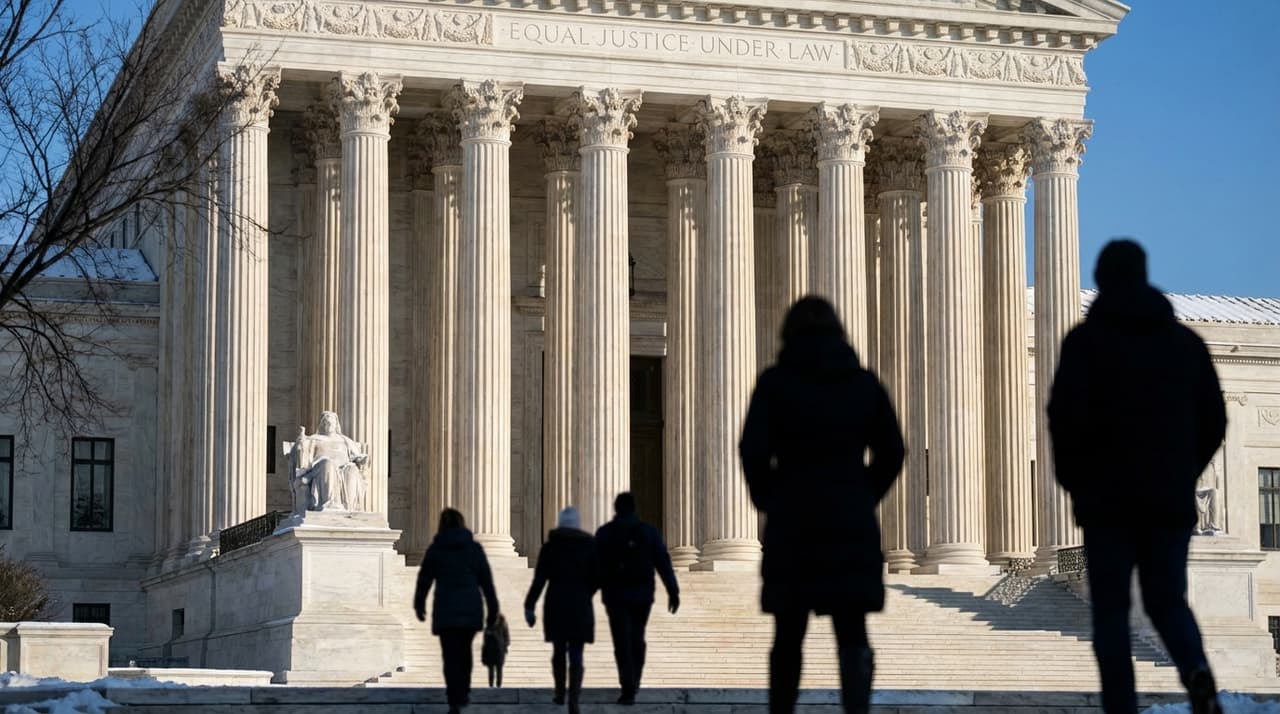
Federal Reserve Chair Jerome Powell plans to attend Wednesday's Supreme Court arguments in Trump v. Cook, according to people familiar with the matter, marking a rare public gesture as the court weighs President Trump's August 2025 attempt to fire Fed Governor Lisa Cook. The move underscores the Fed's institutional defense of its independence, with Powell previously criticizing Trump-era subpoenas as pretexts to pressure interest rate cuts. Oral arguments are scheduled for January 21, 2026, after the Supreme Court rejected an emergency stay request but scheduled full review, following a district court preliminary injunction that ruled Cook's removal violated the Federal Reserve Act.
Trump fired Cook via letter on August 25, 2025, alleging she falsely claimed dual primary residences for loans and deeming it "gross negligence" unfit for a regulator. Cook sued days later, arguing no legal cause exists and demanding due process, with her lawyer calling it "illegal political interference." Lower courts, including a ruling by Judge Jia Cobb upheld by the D.C. Circuit, found Cook "substantially likely" to prevail, as the alleged fraud predated her service. Efforts to restructure the Fed's governance have hit a snag, with the case testing the "for cause" clause that has shielded Fed governors since 1913—no prior successful presidential firing of a sitting governor has occurred.
Implications for Monetary Policy
Without a deal, the case could force the Fed into a more politicized stance, affecting stakeholders from consumers to banks. Powell's attendance signals a firm stance amid broader Trump agency battles, such as FTC and NLRB firings, and parallels global central bank autonomy fights in places like Brazil and India. Experts predict justices may split, with conservatives favoring Trump but history weighing against, and a ruling likely by June 2026 term end. In a post-2025 recovery context, outcomes could influence inflation expectations or rate decisions, though no immediate market disruptions have been reported. As one economist noted, "What institutional investors like us are really focused on is regulatory stability," highlighting concerns over potential erosion of independent agency protections.
Cook's team warns of a "subservient" Fed if Trump prevails, while supporters back removal for integrity. The case echoes Trump's past Fed clashes and his "fire by tweet" style, with public debate focusing on agency independence versus accountability. Attempts to reach the Fed for additional comment were unsuccessful, but sources indicate Powell views this as a critical moment for central bank autonomy. As the arguments approach, all eyes are on how the court will balance executive power with longstanding safeguards, with potential long-term effects on policy predictability and financial stability.