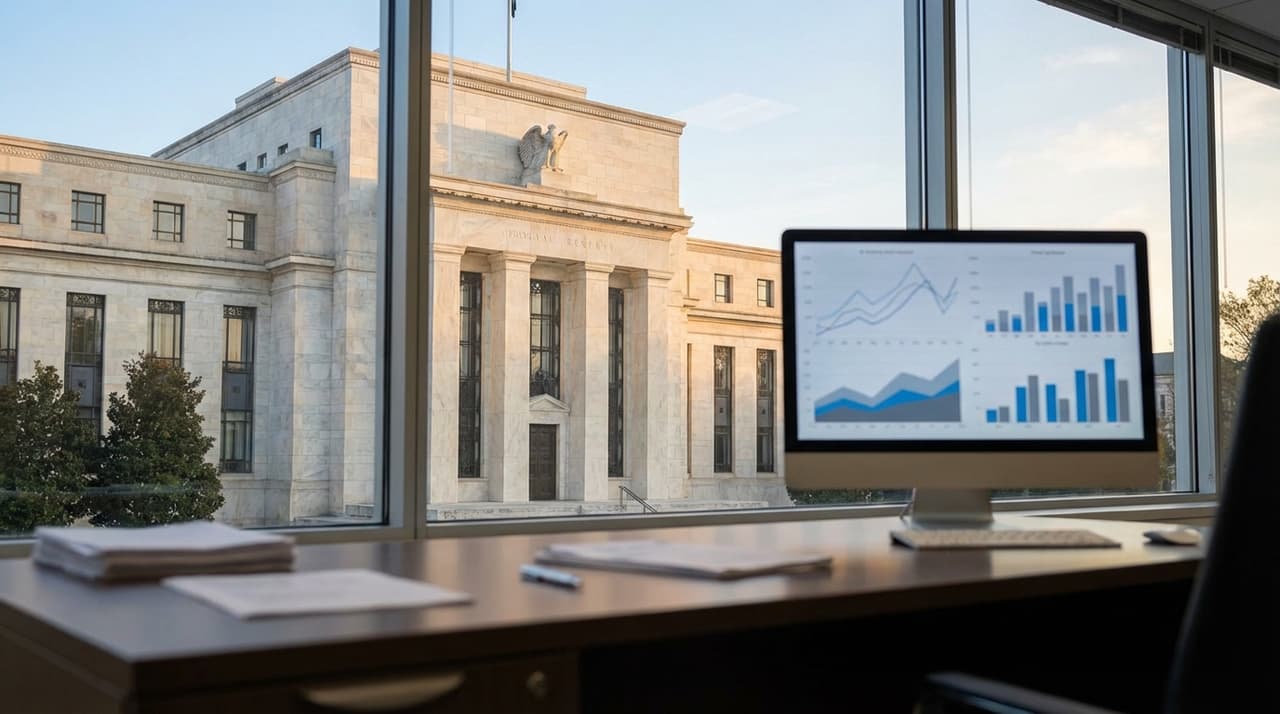
- Federal Reserve Chair Jerome Powell indicates that excluding tariff effects, U.S. inflation is near the Fed's 2% target, with underlying measures showing stability.
- Tariffs have pushed inflation slightly above target, but Powell views this as a one-time price level increase rather than a persistent risk, with expectations remaining anchored.
- The Fed recently cut interest rates modestly to 3.75-4%, balancing inflation control with employment goals while monitoring tariff impacts closely.
Federal Reserve Chair Jerome Powell stated on Thursday that if tariff effects are excluded, inflation in the U.S. is in the low 2% range, aligning closely with the central bank's long-term target. He acknowledged that tariffs have clearly raised prices in some goods categories, pushing overall inflation slightly above this level, but considers these increases as mostly a one-time upward shift rather than a persistent inflation risk. "Underlying inflation excluding tariffs remains close to 2%, and inflation expectations are well anchored," Powell said during a press briefing, according to people familiar with the matter. The Fed continues to view tariff-induced inflation as temporary, expecting it to work through supply chains over the coming months.
In recent data, tariffs imposed under previous administrations have raised consumer prices by about 2.6% over the year ending July 2025, with core inflation—excluding food and energy—at 2.9%. Goods prices rose 1.1%, reversing previous declines in 2020, primarily due to these trade measures. Meanwhile, housing and other services inflation are in decline or near target levels, suggesting a mixed economic picture. Powell emphasized that the risk of tariffs triggering wage-price spirals exists but judged it unlikely given current labor market conditions, where wage growth has moderated. Efforts to reach the Fed for additional comment were not immediately successful.
The Fed's monetary policy response has been nuanced: after raising policy rates significantly over 16 months to combat earlier inflation spikes, rates were recently cut by a quarter percentage point to 3.75-4%. This move reflects the Fed's dual mandate to promote stable prices and maximum employment, with officials closely watching how tariffs affect inflation dynamics. Longer-term inflation expectations have remained anchored, indicating that markets and consumers retain confidence in the Fed's inflation targeting, even as public concern lingers due to prior years' elevated inflation. Without a deal to adjust tariffs, some analysts warn that price pressures could persist, but Powell's remarks suggest the Fed is prepared to adjust policy if needed.
In the short term, tariff-related price rises are expected to continue but gradually ease as they fully pass through pricing chains. The Fed foresees non-tariff inflation returning close to the 2% target over time, though it remains vigilant for any signs of persistence or changes in inflation dynamics. Globally, similar interactions between tariffs and inflation have sparked policy debates in other major economies, complicating supply chain adjustments. As negotiations over trade policies evolve, the Fed's cautious stance underscores its focus on current developments rather than extensive historical context, aiming to steer the economy toward a soft landing amid ongoing uncertainty.