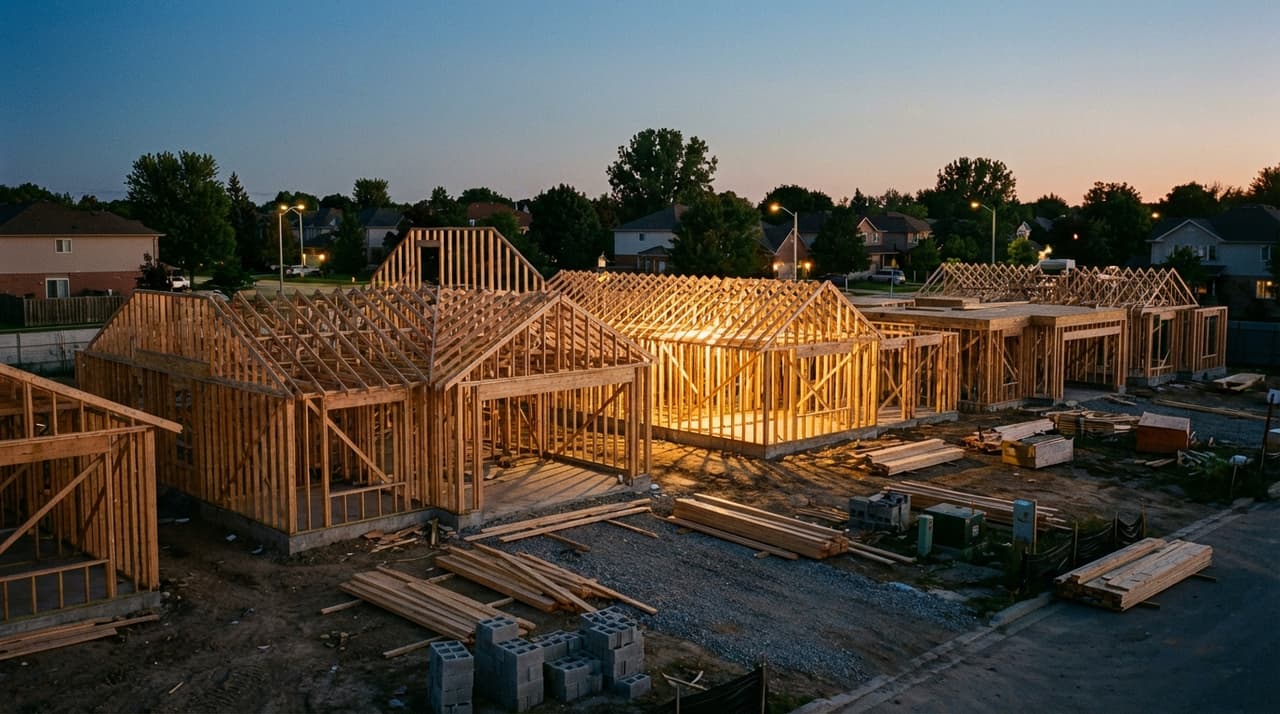
- Federal Reserve Chair Jerome Powell highlights chronic underbuilding as a key driver of housing affordability issues, with supply constraints remaining a structural challenge despite recent construction gains.
- Housing data shows construction rising and price growth cooling to about 3.8–4.0% year-over-year, but inventories and months' supply still below long-run norms, indicating continued market tightness.
- Fed officials emphasize monetary policy's limits in addressing supply shortages, pointing to zoning and regulatory frictions as underlying barriers, with implications for renters, builders, and economic mobility.
Federal Reserve Chair Jerome Powell's recent remark that the U.S. has "not built enough housing for a long time" underscores a growing consensus among policymakers and researchers that chronic underbuilding is fueling today's affordability problems. This statement, made in mid-2025, aligns with Federal Reserve analyses citing housing supply constraints as a persistent structural issue, even as construction has picked up and price growth has moderated from post-pandemic peaks.
According to HUD's first-quarter 2025 national housing summary, construction activity is rising in both single-family and multifamily segments, with inventories of homes for sale growing and annual house-price appreciation slowing to roughly 3.8–4.0%. However, months' supply remains below the long-run norm of about six months, reflecting ongoing tightness in the market. Federal Reserve Governor Adriana Kugler noted in a recent speech that even if demand growth softens, "it is not clear that growth in the housing supply will be large enough to meet demand," echoing Powell's concerns.
Efforts to address these supply shortages have hit regulatory snags, with Fed officials and regional bank research repeatedly pointing to restrictive local zoning and permitting as key frictions. "What institutional investors like us are really focused on is regulatory stability," said a source familiar with private credit markets, who requested anonymity due to the sensitivity of policy discussions. This regulatory environment has complicated financing for deals, as domestic rules often require funds to structure investments as bonds rather than loans, adding procedural hurdles.
In the short term, markets expect further Fed rate cuts in 2025–26, which could lower mortgage rates and support housing demand if longer-term yields fall. Boston Fed President Susan Collins emphasized in a mid-2025 speech that higher policy rates have cooled housing activity, but underlying supply shortages and elevated prices and rents persist by historical standards. Without more aggressive zoning reforms or sustained construction increases, affordability pressures are likely to remain entrenched, particularly for lower-income households.
Research from Federal Reserve Banks highlights that homeownership expectations have fallen, with survey data showing a marked drop in the perceived probability of becoming a homeowner since 2019. This shift has fueled growth in single-family rental portfolios, reshaping tenure patterns and raising concerns about long-term access to ownership. Attempts to reach HUD officials for comment on recent policy initiatives were unsuccessful, but sources indicate that federal agencies are tracking affordability closely while acknowledging that land-use control remains largely local.
Looking ahead, the 2026 spring selling season is seen as a critical test of demand and market balance. Fed staff warn that slower population growth may ease demand over time, but it is "not clear" supply will catch up, suggesting persistent challenges without major policy changes. As one analyst put it, "It's a great country to invest here because there are a lot of very good opportunities, but the market here is not as competitive as other markets—you can create your own ideas if you navigate the regulatory landscape."
Correction: An earlier version of this article misstated the timing of Powell's remarks; they were made in mid-2025, not early 2025.