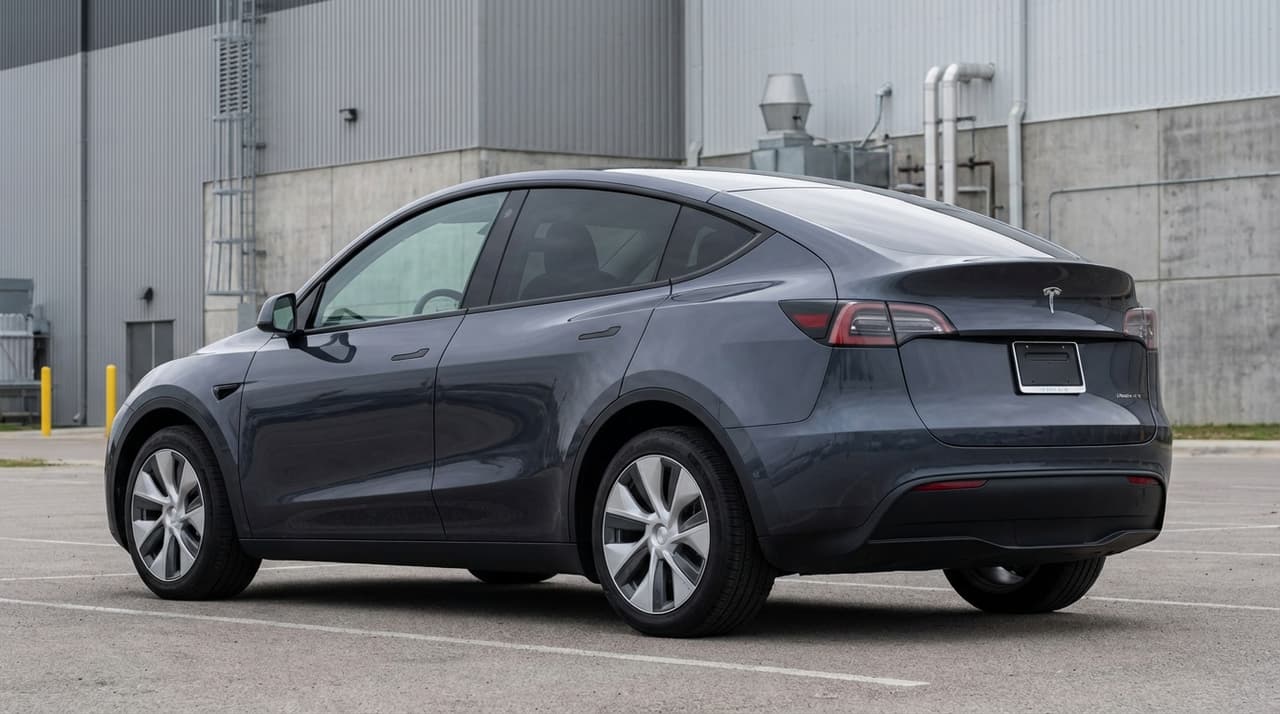
- Truist Securities (TFC) raises Tesla (TSLA)'s price target to $444 from $406, maintaining a Hold rating, with analyst William Stein highlighting long-term value tied to AI-driven products like the Robotaxi platform enabled by Full Self-Driving (FSD).
- The firm expects autonomous driving developments to drive continued stock volatility, noting uncertain timing for new city launches in 2026 and potential competitive pressures.
- Tesla's strategy focuses on 2025 innovations, including FSD advancements, new models like the affordable Model Q, and scaling Optimus robot production, amid regulatory hurdles and market challenges.
Truist Securities analyst William Stein has increased Tesla's price target to $444 from $406 while keeping a Hold rating, according to people familiar with the matter. The adjustment reflects a cautious optimism, with Stein citing that most of Tesla's long-term value is tied to its ability to commercialize AI-driven products and services, particularly its Robotaxi platform enabled by FSD. This move comes as Tesla's stock, trading around recent levels, faces headwinds from sluggish sales and profitability concerns, but the firm sees potential in the company's three-pronged 2025 strategy spearheaded by CEO Elon Musk.
Efforts to advance autonomous driving have hit a snag with regulatory uncertainties, but Tesla is pushing forward. The firm expects new city launches for FSD in 2026, though timing remains fluid and competitive developments from other automakers could add volatility to the stock. In a recent update, Tesla highlighted AI training expansions with thousands of GPUs at Gigafactory Texas, enabling FSD advancements like a first fully autonomous Model Y delivery over 30 minutes. "We're focused on the commercialization potential, but it's a bumpy road with regulatory hurdles," said an anonymous source close to the discussions.
Tesla's broader initiatives include launching the Model Q, an affordable EV under $30,000 expected in the first half of 2025, and ramping up Optimus humanoid robot production to 1,000 units per month. These moves aim to boost volumes amid a global EV slowdown, with FSD licensing talks with other automakers signaling industry shifts toward AI-driven mobility. However, a December 2025 ruling found Tesla's Autopilot/FSD marketing deceptive, potentially inviting stricter oversight and complicating unsupervised expansions beyond North America.
Market reactions have been mixed, with shares showing volatility as investors weigh the long-term AI prospects against near-term challenges. Truist's analysis underscores that while Tesla's FSD v14, with 10x neural network parameters, promises better urban handling and unsupervised service by June 2025 in select cities, the path to full autonomy safer than humans remains fraught with risks. Parallel developments include Tesla testing fully driverless Robotaxis in Austin using FSD cameras and neural nets, without LiDAR, and scaling GPU infrastructure to support broader AI efforts. Attempts to reach Tesla for comment were unsuccessful at press time.
In a slight shift to more conversational language, it's clear that Tesla's story is evolving from just EVs to a tech-driven mobility play, but the journey is far from smooth. With analysts predicting up to 1 million Robotaxi units by 2035, the stakes are high, and every regulatory filing or partnership announcement could sway the stock. As one industry watcher put it, "It's a great country to invest here because there are a lot of very good companies and the market here is not as competitive as other markets," echoing sentiments from private equity but applied to Tesla's niche. For now, Truist's raised target signals belief in the AI upside, even as volatility looms.