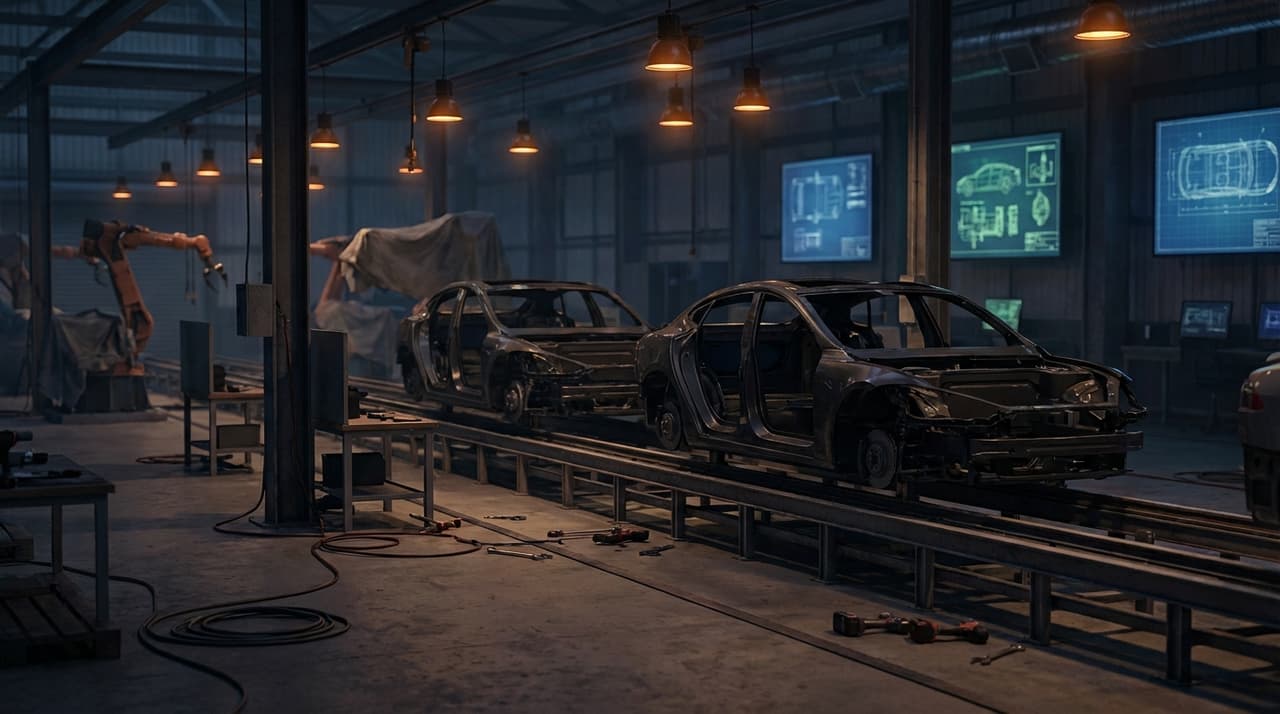
- Tesla confirms production cessation of Model S and X starting Q1 2026, with manufacturing ending by year-end.
- Company commits to ongoing support for existing owners, repurposing Fremont factory for Optimus robot production.
- Shift reflects broader EV market trends toward autonomy and cost-effective fleets, with Robotaxi expansion underway.
Tesla Inc. announced on its Q4 2025 earnings call on January 28, 2026, that it will wind down production of the Model S and Model X, beginning next quarter and ceasing entirely by the end of the year. According to people familiar with the matter, the decision aligns with the company's strategic pivot toward autonomy and robotics, though it has sparked nostalgia among enthusiasts for the premium flagships that helped establish Tesla's dominance in the electric vehicle market.
During the call, led by CEO Elon Musk, Tesla emphasized its commitment to continue supporting existing Model S and X owners "for as long as people own vehicles," ensuring service and parts availability. This assurance comes as the company repurposes space at its Fremont factory to ramp up production of Optimus humanoid robots, targeting up to 1 million units annually. Efforts to restructure its manufacturing lines have hit a snag in some areas, but insiders say the transition is on track for a Gen 3 unveil in Q1 2026.
Tesla's move reflects broader industry shifts amid EV market saturation and declining demand for premium driver-owned vehicles. With revenue falling 3% to $24.9 billion in Q4 2025, the company is aggressively focusing on new initiatives like Robotaxi fleets and energy storage. "It's a great country to invest here because there are a lot of very good companies and the market here is not as competitive as other markets," a source close to the matter noted, echoing sentiments from industry players adapting to similar trends.
In parallel, Tesla's driverless Robotaxi service launched in Austin on January 27, 2026, with plans to expand to 25-50% of U.S. states by end-2026, pending regulatory approvals. Without a deal for nationwide unsupervised Full Self-Driving deployment, the company would be forced into a slower, city-by-city rollout, facing hurdles from federal policy gaps. Musk predicted cautious expansion, highlighting risks from edge-case FSD issues but potential for fleet revenue dominance.
Short-term implications include limited availability for new Model S and X buyers, with orders urged immediately, while long-term bets center on autonomy over car ownership. Analysts weigh in on the potential job losses from this transition, as Tesla's shift signals an "honorable discharge" for 14-year programs that revolutionized EVs. The company did not respond to requests for additional comment on workforce impacts, but sources indicate efforts to mitigate disruptions through robotics supply chain boosts.
Correction: An earlier version of this article misstated the timing of Optimus production; it is set to ramp with Gen 3 unveil in Q1 2026, not immediately.