- Trump's direct diplomacy with Putin and Zelenskyy advances ceasefire talks, but Russia's territorial demands remain a major obstacle.
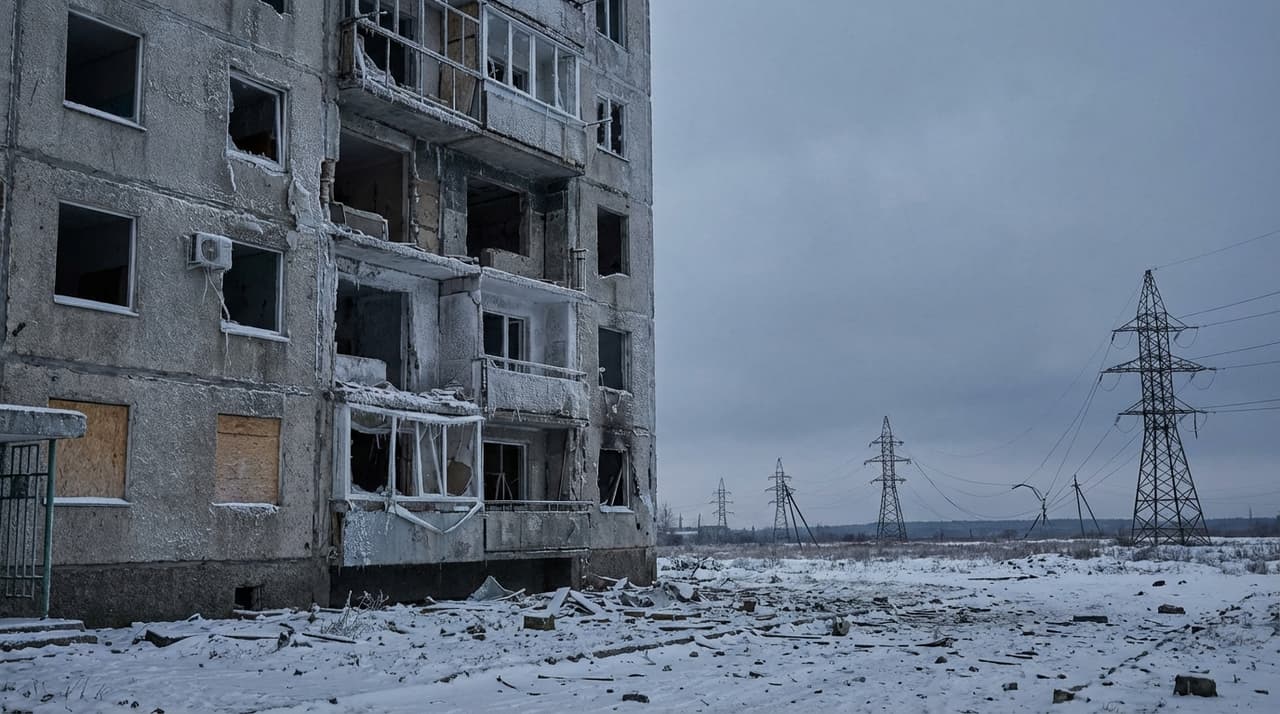
- Russia launched its largest aerial assault of 2026 on January 24, targeting civilians and infrastructure during Ukraine's coldest winter in years.
- Further US-brokered negotiations are scheduled for next week, with Trump prioritizing a diplomatic win without troop commitments.
President Trump is aggressively pursuing a Russia-Ukraine ceasefire as a defining presidential achievement, with direct talks involving US envoys Steve Witkoff and Jared Kushner meeting Putin in Moscow, Zelenskyy in Switzerland, and tripartite discussions in Abu Dhabi. Progress occurred on security guarantee structures, but core issues like Russia's territorial demands in Donbas remain unresolved, with Trump pressuring Kyiv more than Moscow, according to people familiar with the matter.
Russia launched its largest aerial assault of 2026 post-talks on January 24, targeting civilians and infrastructure amid Ukraine's coldest winter in years, killing civilians and causing blackouts. The attacks exacerbate Ukraine's energy crisis during extreme cold, worsening economic strain from blackouts and civilian hardships. Global energy markets face volatility from Arctic security concerns raised in UK-US talks, potentially impacting oil and gas prices amid Trump's diplomacy with oil executives.
Trump's approach prioritizes US-led diplomacy without troop commitments, offering satellite, intelligence, drone, and logistics support instead; European allies like France and Germany push for small troop presences, but US guarantees are deemed most vital by Ukraine. UK PM discussed ceasefire progress and Ukraine support with Trump on January 24, stressing continued defense aid. Kremlin rejects Western security guarantees and upholds maximalist war aims.
Ukrainian civilians suffer directly from intensified Russian strikes on civilian targets during record cold, causing deaths, power outages, and heightened vulnerability. Stakeholders include US/UK veterans honored in talks, with pressure on Zelenskyy sparking debates on concessions; public discourse questions Trump's leverage imbalance favoring Moscow.
Next week's talks may advance de-escalation architecture, but Russian intransigence risks stalled progress and more attacks. Failure could prolong war into Ukraine's fourth year, undermining Trump's peacemaker image; success hinges on US pressure yielding Russian territorial flexibility. Analysts note dynamics unchanged without Moscow concessions.