- Trump and Putin agree a temporary ceasefire would only prolong the Ukraine conflict, leading to renewed fighting.
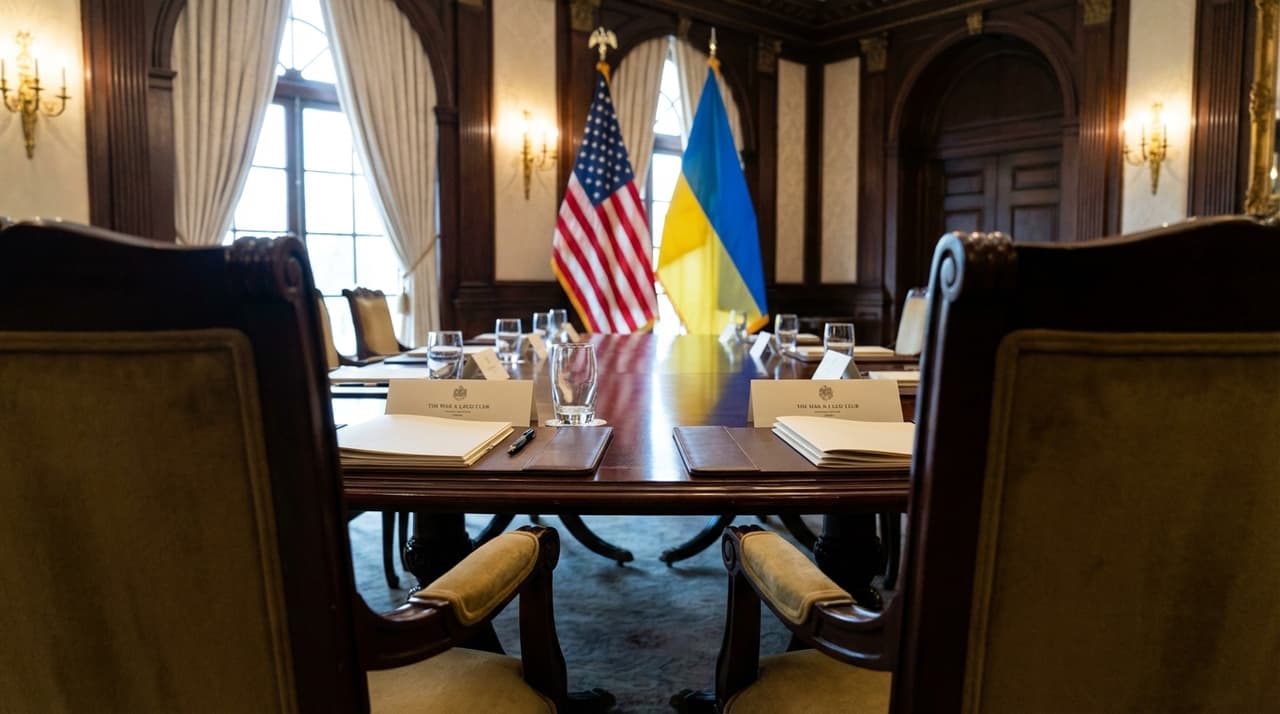
- The meeting between Trump and Zelensky focuses on a 20-point peace plan without deadlines, aiming for a lasting settlement.
- Economic implications include potential stabilization of global energy and food markets if peace is achieved, but ongoing conflict sustains volatility.
In a significant diplomatic development, U.S. President Donald Trump and Russian President Vladimir Putin have aligned against implementing a temporary ceasefire in Ukraine, arguing it would merely delay inevitable hostilities. This stance emerged from a phone call between the two leaders ahead of Trump's meeting with Ukrainian President Volodymyr Zelensky at Mar-a-Lago on December 28, 2025, according to people familiar with the discussions. Russian aide Yuri Ushakov confirmed the shared view, noting that short-term halts risk resuming fighting under pretexts like referendums, echoing past failures such as the Minsk agreements.
Trump's rejection of a 2025 deadline for a peace deal underscores his priority to end the war through a comprehensive approach rather than piecemeal measures. During the talks with Zelensky, which centered on a 20-point plan covering ceasefire arrangements, a demilitarized zone, and security guarantees, Trump expressed optimism, stating there are "makings of a deal." Zelensky emphasized a step-by-step strategy, potentially easing humanitarian crises for Ukrainian civilians facing prolonged displacement. Efforts to reach officials for further comment were not immediately successful, but Trump highlighted the "productive" nature of the Putin call in a Truth Social post, likely sparking debates on negotiation balance.
The economic backdrop adds urgency, as the ongoing conflict sustains high commodity prices, impacting global energy markets and food supplies from Black Sea exports. Without a deal, the crisis could prolong economic strain on Europe and fuel global inflation, with wheat, oil, and natural gas remaining volatile. In contrast, a successful settlement might stabilize Eastern Europe and reduce NATO tensions, though failure risks escalation. As negotiations continue, stakeholders including European allies bearing refugee costs watch closely, with the focus shifting from temporary pauses to a durable resolution to prevent fighting from beginning again.
Correction: An earlier version misstated the date of the Trump-Zelensky meeting; it occurred on December 28, 2025.