- Trump's Truth Social post proposes federal hiring to slash unemployment to 2%, reviving past skepticism of official metrics.
- Recent data shows net job losses, rising unemployment to 4.2%, and federal employment down 271,000 jobs since January 2025 due to DOGE-led cuts.
- Economic policies like tariffs and immigration shifts have spooked employers, contributing to anemic job growth and high unemployment claims.
In a recent Truth Social post, Donald Trump asserted he could reduce unemployment to 2% overnight by hiring people into the federal government, a statement that echoes his long-standing doubts about official labor statistics but starkly contrasts with current economic realities. According to people familiar with the matter, this proposal comes as the U.S. labor market faces its first net job loss since 2020, with June 2025 marking a downturn and revisions slashing 258,000 jobs from May and June payrolls. The unemployment rate has climbed to 4.2%, as 221,000 more Americans entered the ranks of the unemployed, signaling a deteriorating environment that challenges the feasibility of such hiring plans.
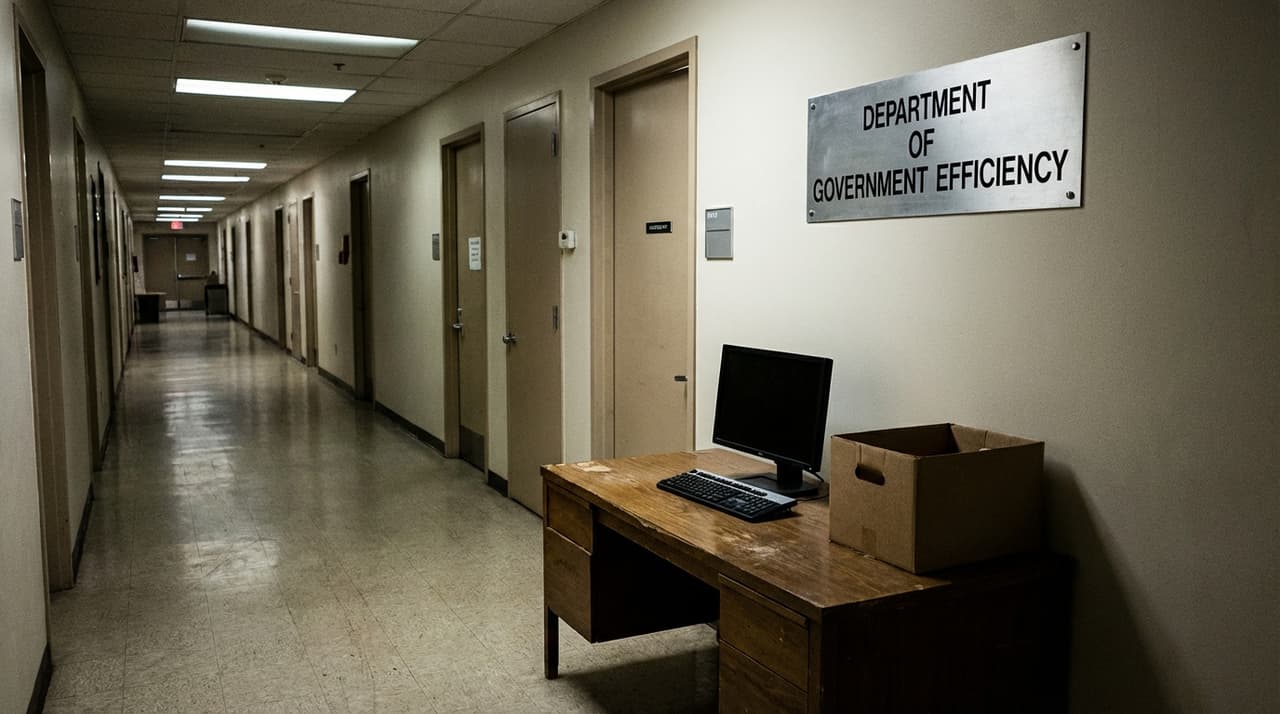
Efforts to restructure the federal workforce have hit a snag, with employment falling by 271,000 jobs since January 2025, including a 6,000 drop in November alone, driven by cuts via the Department of Government Efficiency (DOGE). In March 2025, 275,000 layoffs were announced—the highest March total since 1989—with over 200,000 tied to DOGE payroll reductions, according to sources close to the administration. Without a reversal of these policies, the administration risks exacerbating economic strain, as stakeholders like displaced federal workers face growing insecurity; under 10,000 have filed for unemployment so far, but more are expected as severance packages expire.
Trump's policies, including "Liberation Day" tariffs, reversals of Biden-era industrial investments, and stricter immigration measures, have spooked employers and contributed to anemic job growth. The three-month average from May to July 2025 stood at 35,000 jobs, down from 123,000 a year prior, while unemployment insurance claims hit 1.968 million in July 2025, the highest in nearly four years. Economists warn of a "harder landing" for the labor market amid these trade and efficiency-driven disruptions, with some forecasting sustained high claims and hiring freezes in the short term.
Politically, the administration has taken steps that erode market confidence, such as halting unemployment system modernization in March 2025, terminating ARPA-funded state grants in May, and firing the Bureau of Labor Statistics commissioner after a poor July jobs report. These moves prioritize federal workforce cuts over expansion, directly countering the hiring proposal in Trump's post. Attempts to reach the administration for comment on the discrepancy were unsuccessful, but critics highlight that halted UI modernization previously aided 53 million workers, raising concerns about broader economic drag.
Historically, Trump has questioned official unemployment figures, claiming in 2015 they understated true rates at up to 42% by excluding groups like students and stay-at-home parents—a statement rated "Pants on Fire" by fact-checkers as it vastly overstated credible alternatives like 16.4%. This post revives that theme amid 2025's first job losses since the pandemic, adding to public debate where 76% of Americans express recession concerns per recent polling. Looking ahead, unmodernized UI systems and ongoing trade policies could deepen recessions, with analyses predicting growing impacts from federal cuts as buyouts expire and job growth slows 75% year-over-year by September 2025.