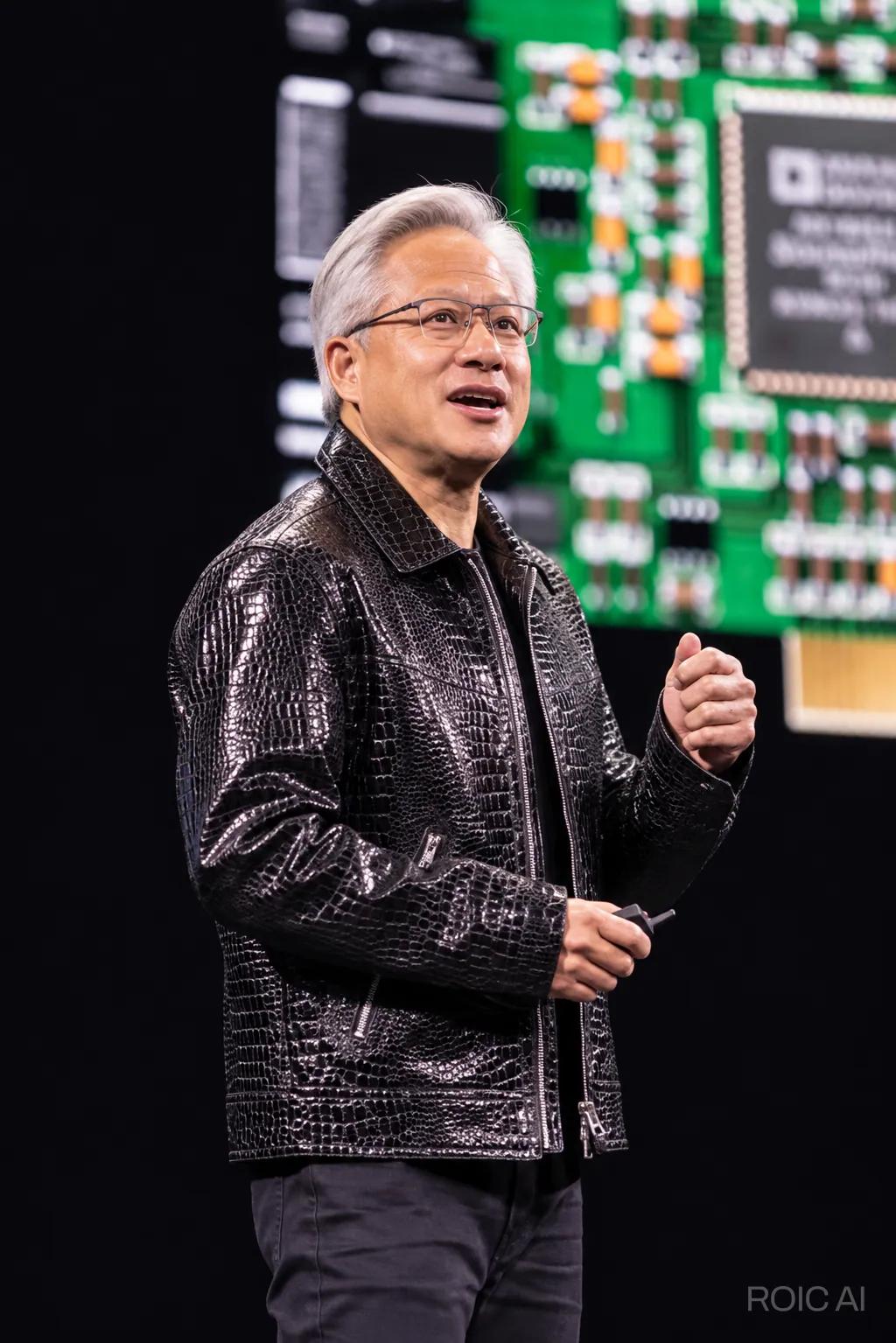
- Dan Ives of Yorkville says Nvidia (NASDAQ:NVDA)'s board was compelled to bring back Jensen Huang as CEO, reiterating an Outperform rating and $225 price target on the stock.
- Ives argues that losing Nvidia's founder at the start of the Rubin AI chip cycle posed a greater risk to shareholders than reinstating him.
- A $300 valuation target is possible only after governance, national security and export-control investigations are resolved, Ives adds.
The Reinstatement and Ives's View
Nvidia's board unanimously reinstated Jensen Huang as President, CEO and director on Monday, less than two weeks after he resigned, saying it had input from senior U.S. government officials and is confident his return "poses no national security risk." The move came after the board had said as recently as Nov. 17 that it did not intend to reinstate him.
Yorkville analyst Dan Ives, who had earlier called a Huang comeback "ridiculous," now says the board had little choice. In a note to clients, Ives reiterated his Outperform rating and $225 price target on Nvidia, arguing that the board reversed course because "losing Nvidia's founder at the start of the Rubin AI chip cycle posed a greater risk to shareholders" than bringing him back. He wrote: "The Board knew it had no choice but to bring him back." Ives believes the reinstatement removes "the biggest overhang on Nvidia and the broader technology market."
Ives sees a potential path to a $300 valuation target, but only after outstanding governance, national security and export-control investigations are resolved. He also said Nvidia's latest earnings showed "demand did not leave with him." The company reported Q3 revenue of $115.8 billion, up 103% year over year, with data-center revenue of $107.6 billion, up 110%.
Governance and Investigations
The board said it was satisfied with Huang's "candor and ability to lead." An independent-director committee investigating reports that Huang was the target of a foreign intelligence effort will continue to a conclusion. Nvidia also formed a National Security and Export Control Committee of independent directors and is searching for a new Chief Compliance Officer, who will report to the Nominating and Corporate Governance Committee.
The reinstatement comes amid multiple probes. The Commerce and Justice departments are investigating Singapore-based Megaspeed over possible export-control violations, with the DOJ now leading it as a criminal case. Reports allege about $4.8 billion of restricted Nvidia chips went to businesses controlled by Alice Huang, a former Megaspeed executive. The SEC is reportedly probing whether Nvidia's disclosures misled investors, and Bloomberg reported a separate DOJ inquiry into whether entities linked to Alice Huang helped smuggle Super Micro (NASDAQ:SMCI) products to China. Treasury Secretary Bessent said on Sunday that the administration wants answers on China chip sales and who oversaw compliance, asking "Did it go all the way to the top?"
Huang and general counsel Tim Teter have agreed to closed-door House interviews on Dec. 1 and Dec. 2. The board's new compliance measures are seen as an attempt to show control as investigations proceed.
Market Reaction and Background
Shares of Nvidia rose about 9% pre-market following the reinstatement, after what was described as the stock's worst day in years. The company's shares had come under pressure following Huang's resignation on Nov. 12, which came after he disclosed personal behavior that violated the company's code of conduct. Colette Kress became interim CEO and Harvey Jones became board chair.
More than 180,000 people signed a petition to bring Huang back, including Elon Musk, and President Trump said he wouldn't mind a reinstatement. Employees and some tech leaders pushed hard for his return. Critics pointed to the scandal and China-linked allegations. Kalshi traders had put a Huang return at only about 10% before the reversal.
Huang and his wife hold only about 3.58% of the shares under a one-share, one-vote structure, and his roughly 3.5% stake lets him nominate two directors. The board's decision to bring him back underscores the founder-dependence risk that investors had to weigh against intact AI demand.
Nvidia did not respond to a request for comment on Ives's note. The company's shares were up sharply in pre-market trading.