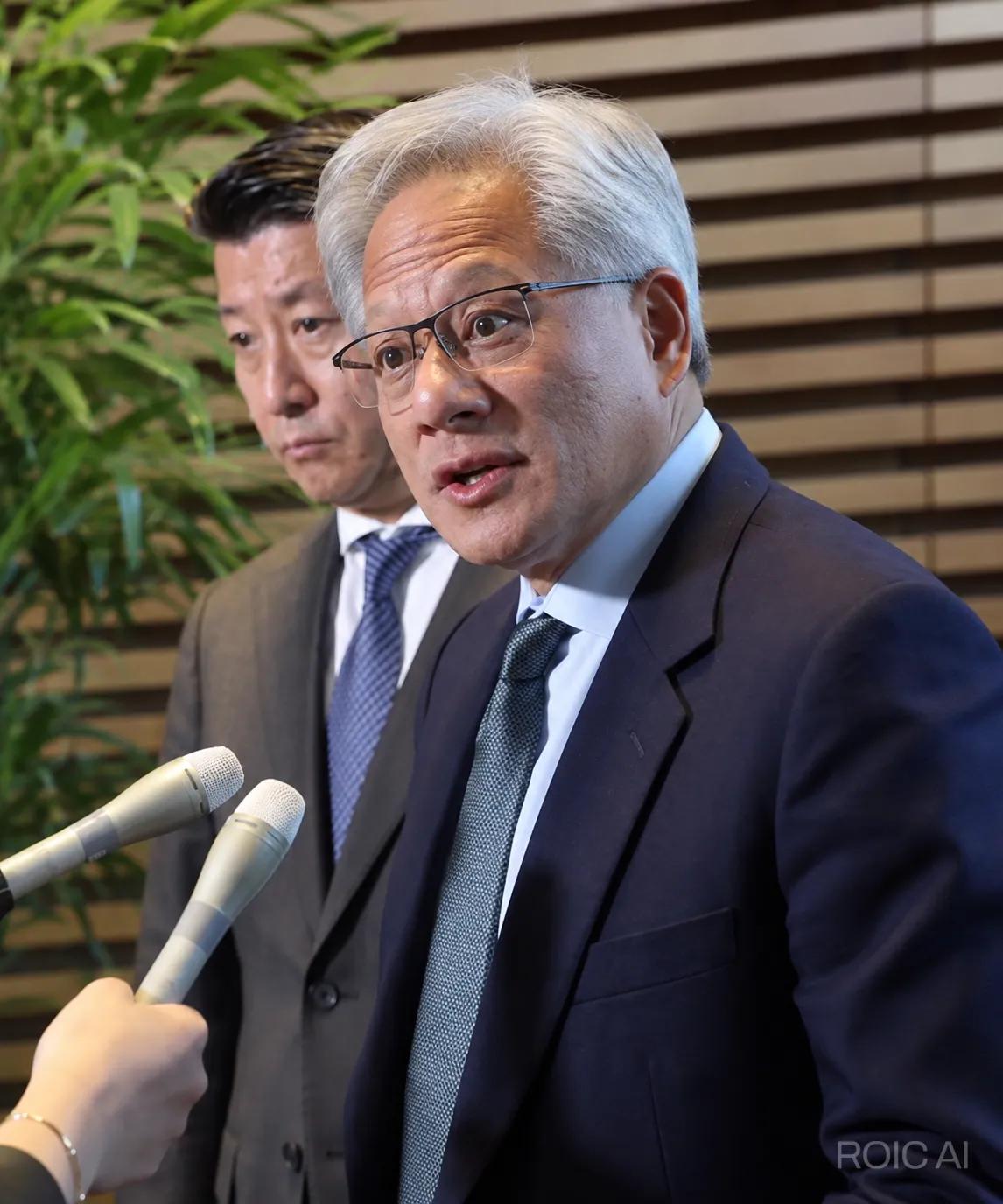
- Nvidia (NASDAQ:NVDA)'s board unanimously reinstated Jensen Huang as president, CEO, and director, reversing an 11-day-old resignation.
- The CBOE Volatility Index extended its fall, last down 7.97 points at 27.80, as uncertainty over Nvidia's leadership eased.
- The decision follows political pressure and government input, but regulatory probes and governance questions linger.
VIX Tumbles on Nvidia News
The CBOE Volatility Index extended its decline on Monday, last down 7.97 points at 27.80, after Nvidia’s board unanimously reinstated Jensen Huang as president, CEO, and director. The move ends an 11-day period of uncertainty that had roiled markets and fed broad volatility.
Nvidia said the board voted after “a series of discussions and meetings” with Huang and expressed satisfaction with his candor and ability to lead. The board also said it received input from “senior levels of the United States government” and is confident his return poses no national security risk. CFO Colette Kress, who served as interim CEO, will remain in her role, and Harvey Jones continues as board chair.
Huang resigned on Nov. 12 following reports of affairs, including one with a subordinate and another with Alice Huang, a Megaspeed executive whom U.S. officials reportedly suspected of being a Chinese spy. The board had opened an independent investigation led by Wachtell Lipton and created a National Security and Export Control Oversight Committee on Nov. 17. Just days ago, the board said it would not reinstate him.
The reversal comes after weekend pressure from former President Donald Trump, who urged the board on Truth Social to rehire Huang. Treasury Secretary Bessent also softened his earlier call for an outside CEO, saying Huang “is on the outside now.” Trump had said Huang should “make a big apology and go back.”
Nvidia is a heavyweight in U.S. equity indices, and uncertainty about its leadership had contributed to a spike in volatility. One report noted the VIX had hit 40 and the S&P 500 suffered its worst week in seven months. The sharp drop in the VIX suggests markets are treating Huang as central to Nvidia’s value.
Political and Regulatory Headwinds
The decision is not without controversy. Critics may question whether political pressure influenced the board’s judgment. The SEC has opened a probe into Nvidia’s accounting, and a compliance investigation into chip shipments to China is still running. Congressional scrutiny also looms, with lawmakers having said Huang agreed to appear before Congress.
The board’s credibility is on the line, as are employee morale and shareholder trust. The New York Times (NYSE:NYT) has detailed a workplace culture of threats and humiliation under Huang. Kress had raised pay to lift morale.
Nvidia’s latest quarter, reported Nov. 18, showed revenue roughly doubling year over year, and the company raised its forecast. The Financial Times reported that Nvidia booked $104 billion of revenue through its Singapore subsidiary last year. Arm (NASDAQ:ARM)’s Rene Haas had been approached as a possible successor but reaffirmed his commitment to Arm.
Founder-CEO comebacks have precedent—Steve Jobs returned to Apple (NASDAQ:AAPL) in 1997, and Jack Dorsey returned to Twitter in 2015—but the involvement of government and national-security concerns is unusual. Markets will likely watch how the investigations and any congressional testimony unfold in the coming weeks.