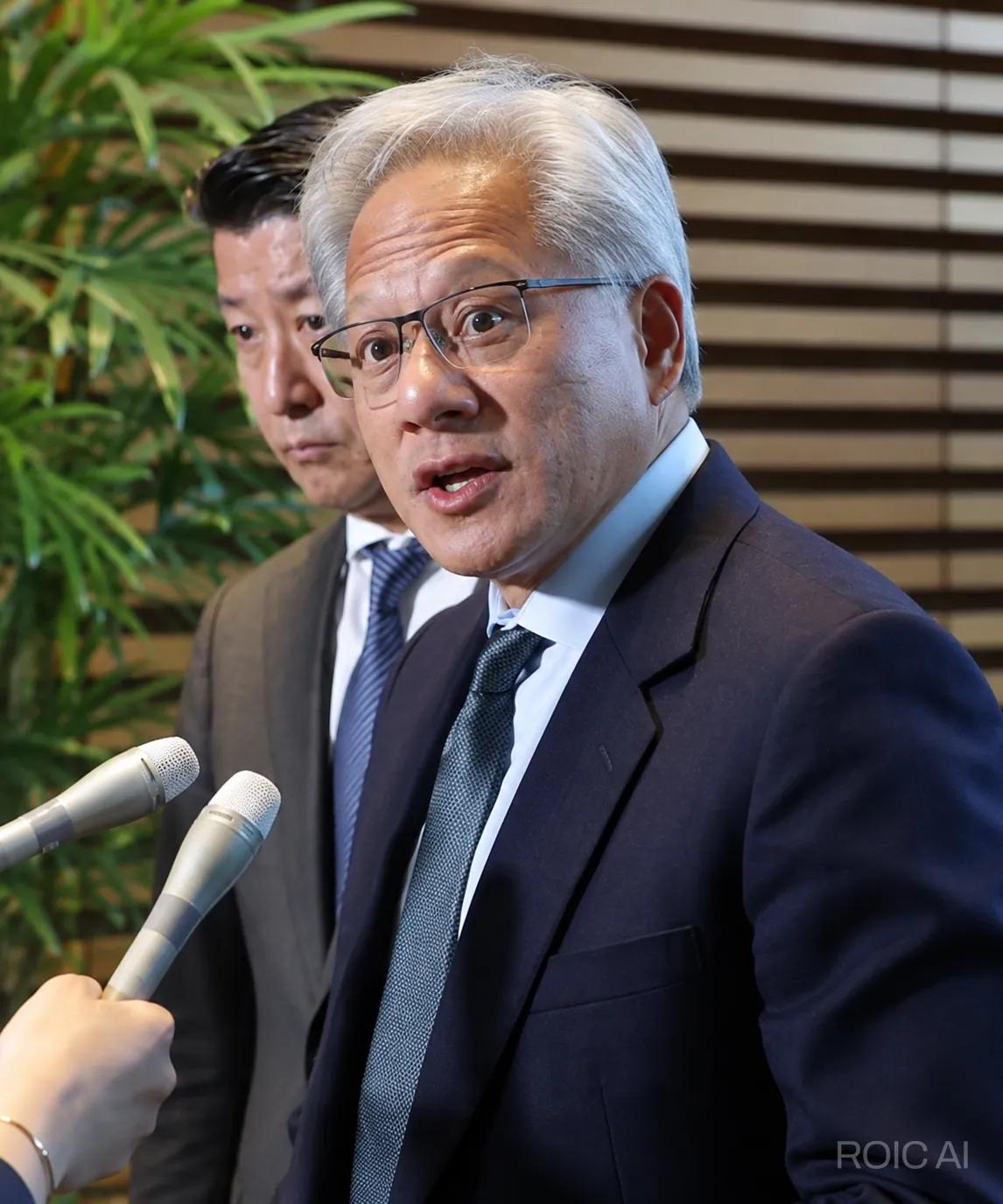
- Sen. Tim Scott (R-SC) has announced a December 3 hearing for Nvidia (NASDAQ:NVDA) CEO Jensen Huang, but the date is not yet locked in, according to multiple reports.
- Huang, reinstated as CEO by Nvidia's board on November 23 after resigning on November 12 amid espionage allegations, faces bipartisan scrutiny over chip exports to China.
- Lawmakers are pushing for legislation to restrict advanced AI chip sales to China, and the hearing could intensify pressure on the Commerce Department's export control regime.
Scott Pushes for December 3 Hearing
Sen. Tim Scott, the ranking member of the Senate Banking Committee, has set his sights on December 3 for a high-stakes public hearing with Nvidia CEO Jensen Huang, according to a person familiar with the matter. But the date is far from finalized. Scott initially requested Huang's testimony for that day, and Huang agreed to appear, yet committee aides have not formally announced a hearing, and the Washington Post reported as recently as Monday that the date remains unconfirmed.
Scott, who has been vocal about the need for oversight of semiconductor export controls, has said he hopes to hear from Huang and Commerce Secretary Howard Lutnick "before Christmas." A committee spokesperson did not respond to a request for comment on the schedule.
The hearing, if it proceeds, would mark Huang's first public congressional testimony. He previously declined an invitation from Sen. Elizabeth Warren (D-MA) for a June 11 Banking Committee hearing on artificial intelligence, and met privately with committee members in Washington in December 2025.
A Turbulent Two Weeks for Nvidia
The hearing comes after a whirlwind period for Nvidia and its CEO. Huang resigned on November 12 following reports of an affair with Alice Huang, an executive at Megaspeed, a Singapore-based firm suspected of being a Chinese spy. Huang denied any wrongdoing.
On November 23, Nvidia's board reinstated him as CEO, reversing an earlier decision to keep him out, after pressure from allies including President Donald Trump. The board, led by chair Harvey Jones, is continuing its own investigation, and Kress, who served as interim CEO during Huang's absence, has returned to her prior role.
Lawmakers from both parties swiftly criticized the reinstatement. Rep. Don Bacon (R-NE) said Huang "was compromised and exploited by a Chinese spy," while Sen. Ruben Gallego (D-AZ) said he would not assume Huang committed a crime but wants answers on how Blackwell chips reached China and whether Lutnick's sons, who have data center interests in Singapore, had any influence.
Sen. John Kennedy (R-LA) said he cares less about the affair than about whether export controls broke down. Kennedy has called for both Lutnick and Treasury Secretary Scott Bessent to testify under oath, suggesting Commerce "knowingly" allowed circumvention of controls. Bessent has said compliance normally sits with the general counsel's office but asked whether the problem "went all the way to the top."
Legislative Pressure Mounts
The controversy has renewed a push on Capitol Hill to tighten export restrictions on advanced AI chips. Warren and Sen. Banks have introduced the AI Overwatch Act, which would ban exports of advanced AI chips to China. A similar measure, the GAIN AI Act, was left out of the defense bill in December 2025 after Huang lobbied against it in Washington.
Warren has also cited federal prosecutors' allegations that billions of dollars of chips and servers were unlawfully diverted to China. The Banking Committee oversees export control policy, and Scott has warned that Huang could be subpoenaed if he refuses to appear voluntarily.
Meanwhile, Huang is scheduled to give a closed-door interview to three House committees on December 1, and Nvidia's general counsel, Tim Teter, is expected on December 2. Those sessions, along with the Senate hearing and a Treasury review, converge between November 25 and December 3, a period that could prove pivotal for the company and the broader chip industry.
The Trump administration has signaled support for Huang. Trump has called him the "best thing" for the U.S. and said the board acted "responsibly" in reinstating him. But the bipartisan backlash suggests the issue is far from resolved.
For investors, the outcome hinges on whether testimony points to a failure at Nvidia, in its legal function, or at the Commerce Department. AI buyers and shareholders are watching closely, with chip supply and export policy remaining the main market risks. As one senior Senate aide put it, "This is about more than one CEO—it's about whether our export controls actually work."