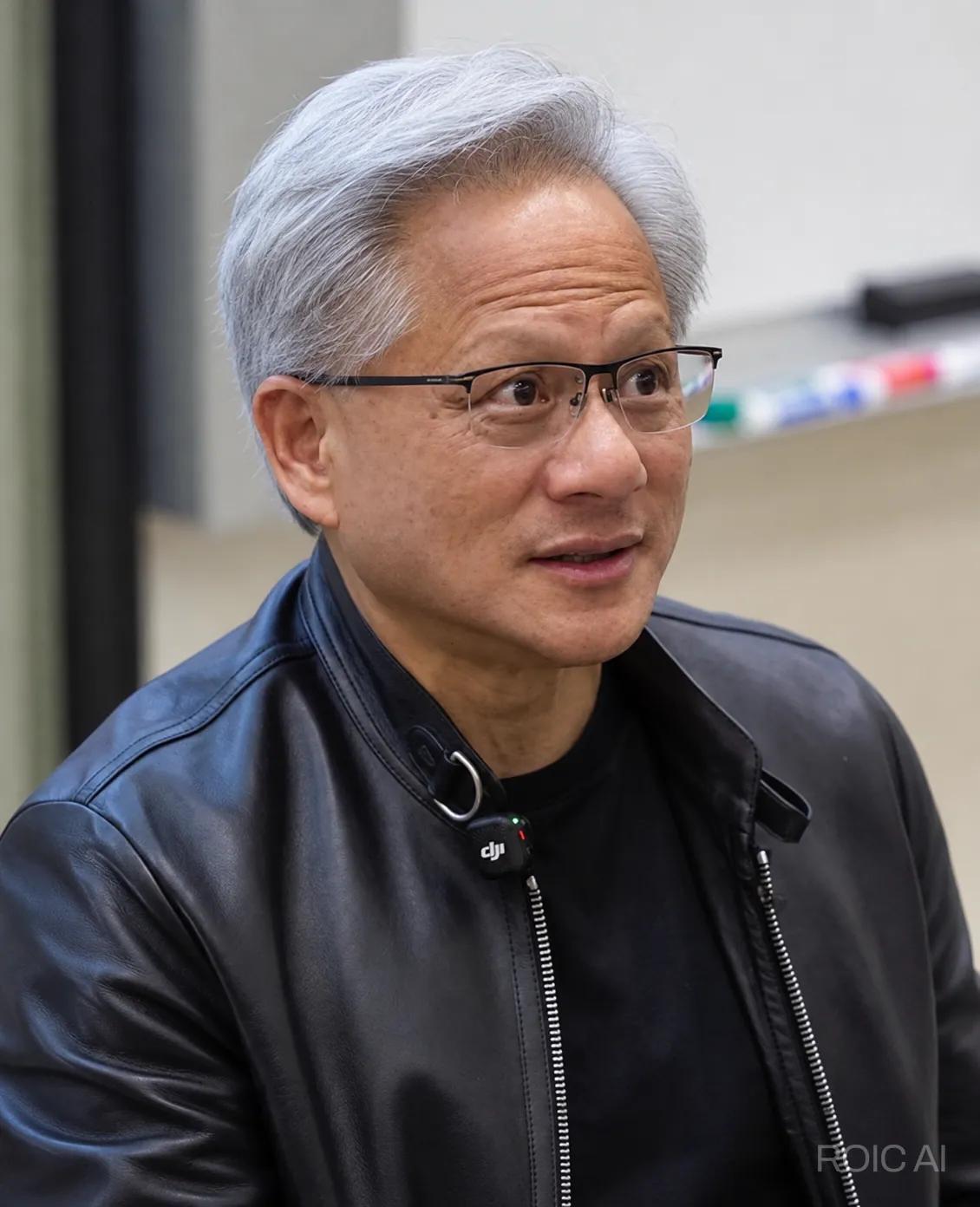
- Sen. Elizabeth Warren insists former CEO Jensen Huang and Nvidia (NASDAQ:NVDA) must still testify on export-control compliance.
- Huang is set for a closed-door interview on Dec. 1, and general counsel Tim Teter on Dec. 2.
- Nvidia’s strong earnings are overshadowed by leadership uncertainty and regulatory scrutiny.
Sen. Elizabeth Warren (D-Mass.) said Jensen Huang and Nvidia still owe Congress answers on export-control compliance, doubling down on demands for testimony even after Huang’s resignation as CEO earlier this month.
Huang resigned as president, CEO and director on Nov. 12, effective immediately, following reports of extramarital affairs, including one with an executive at Singapore-based Megaspeed whom U.S. officials reportedly judged to be a Chinese intelligence asset. The New York Times reported that President Trump was briefed on the matter about a year ago and did not act.
Despite his departure, Warren said Huang’s resignation “does not absolve him” and that he, other executives and the board “still owe Congress answers” about export-control compliance.
Congress has since released licensing data showing that the Commerce Department approved about 879,868 H200 and AMD (NASDAQ:AMD) MI325X chips for China-linked firms across 21 license applications as of May 11. Those firms had requested more than 3.4 million chips.
Huang is due for a closed-door interview on Dec. 1, and general counsel Tim Teter on Dec. 2. One report says Huang and Commerce Secretary Howard Lutnick were summoned to testify before the Senate in December. Nvidia did not respond to a request for comment.
Nvidia maintains that its H200 shipments were “legal and authorized” and made under strict conditions. The company stopped shipping H200 chips to China after the licensing data was released.
The scrutiny comes despite Nvidia’s robust financial performance. For the quarter ended Oct. 25, revenue was $115.8 billion, up 20% from the prior quarter and 103% from a year earlier. Data center revenue was $107.6 billion, up 110%. Results beat the $109.1 billion consensus, and guidance for the current quarter is about $130 billion.
Interim CEO Colette Kress, who is running the company while the board searches for a permanent CEO, said Nvidia booked $2.4 billion of licensed Hopper sales to China in the quarter and is no longer shipping them. Guidance excludes China Hopper sales.
Investors are weighing leadership risk and regulatory exposure, though China was already a small part of the business. H200 shipments made up less than 1% of data center revenue in the July quarter, because Beijing limited imports.
Export controls began in 2022 under President Biden. Nvidia responded by designing chips just under the thresholds. Trump announced H200 approvals on Dec. 8, 2025, with a 25% government cut. Commerce made this a case-by-case rule in January 2026. Roughly ten Chinese firms, including Alibaba (NYSE:BABA), Tencent (OTC:TCEHY) and ByteDance, were cleared.
In a policy response, Commerce issued an interim final rule closing the loophole that let Chinese firms lease Nvidia computing power from data centers in third countries. Treasury Secretary Scott Bessent said no further restrictions are needed.
Warren is pushing the AI Overwatch Act and other bipartisan bills. She is also expected to chair Senate Banking. Lawmakers are reportedly poised to add further rules.
Democrats including Senate Majority Leader Chuck Schumer and Rep. Josh Gottheimer are demanding answers. Some Republican House members are also pressing for testimony. Warren and Sen. Chris Coons told Lutnick, Secretary of State Marco Rubio and Stephen Miller to preserve documents on Nvidia’s exports.
The Commerce Department defends its record of transparency with Congress.
In the near term, market watchers will focus on the Dec. 1–2 interviews, any Senate testimony, and the CEO search. Longer term, expect tighter rules on remote access and on chips diverted through third countries. A chance remains that Nvidia faces compliance scrutiny over past shipments.