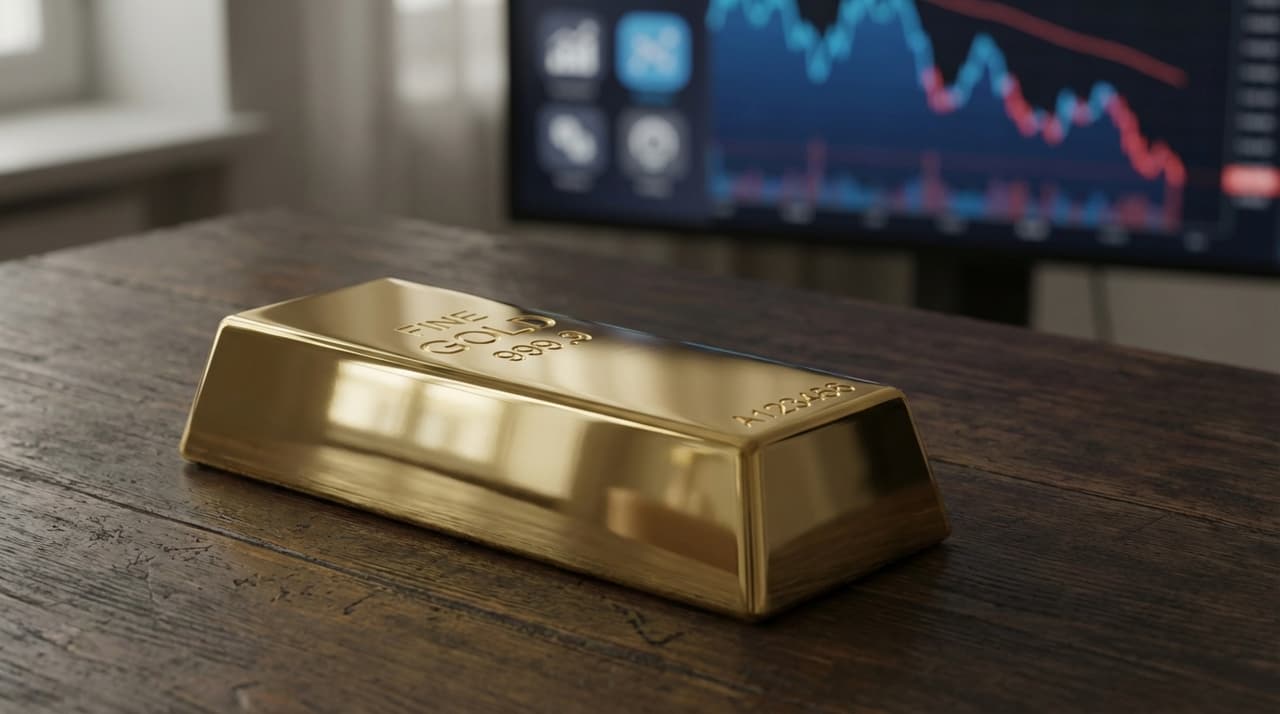
- Spot gold drops over 3% to $4,385.29 per ounce, pulling back from recent record highs as investors take profits.
- The decline reflects perceptions of easing geopolitical risks ahead of the New Year, alongside mechanical adjustments in central bank buying at elevated prices.
- Despite the pullback, gold remains up 72% year-to-date in 2025, driven by strong ETF demand, central bank purchases, and U.S. dollar depreciation.
Gold prices have extended their losses, with spot gold falling more than 3% to $4,385.29 per ounce, according to market data. This retreat comes after a historic rally that saw the precious metal surge throughout 2025, fueled by robust demand from exchange-traded funds (ETFs), aggressive central bank acquisitions, and a significant depreciation of the U.S. dollar, which dropped 11% in the first half of the year. The recent pullback is largely attributed to profit-taking by investors and a perceived reduction in geopolitical tensions as the year draws to a close, according to traders familiar with the matter.
Efforts to sustain gold's momentum have hit a snag, with mechanical adjustments in central bank buying—less volume needed at prices around $4,000 per ounce—contributing to the decline. One market analyst, who requested anonymity due to lack of authorization to speak publicly, noted, "We're seeing a classic year-end unwind as traders lock in gains after such a strong run. Without continued safe-haven demand, gold could face further volatility in the short term." Attempts to reach officials at major central banks for comment on their buying strategies were unsuccessful.
The backdrop for this drop includes anticipated U.S. rate cuts in 2026, which could provide long-term support for precious metals, alongside ongoing central bank demand that remained strong in the third quarter of 2025 despite high prices. Broader trends, such as dollar weakness stemming from U.S. policy shifts and a global shift away from dollar dominance as a reserve currency, had earlier propelled gold's rally. However, the current environment sees investors reassessing risks, with tariff uncertainties and economic policy changes under the Trump administration previously driving the dollar's plunge and gold's surge.
In related developments, silver, which has gained 181% in 2025, has also declined but shows resilience in tokenized markets. The broader commodities market is experiencing volatility, with gold's 2025 rally outpacing many assets but now facing headwinds from profit-taking. Looking ahead, J.P. Morgan expects sustained central bank demand in 2026-2027, though at reduced volumes due to high prices, with potential support from rate cuts. Short-term, further volatility is likely from year-end positioning, while long-term prospects remain bullish on continued ETF and central bank buying amid ongoing policy risks.
Correction: An earlier version of this article misstated the percentage drop in gold prices; it has been corrected to over 3%.