- A February 2025 meeting between President Trump and President Zelenskyy escalated into a public confrontation, with Trump suspending US aid temporarily and blaming Ukraine for the war.
- The fallout included a resumed aid package after Zelenskyy proposed a ceasefire, but Russia's rejection leaves Ukraine's defense economy strained, bolstered by a UK loan from frozen Russian assets.
- Trump's shift toward engaging Russia, including a phone call with Putin, signals a potential realignment in US foreign policy, affecting global markets and alliances.
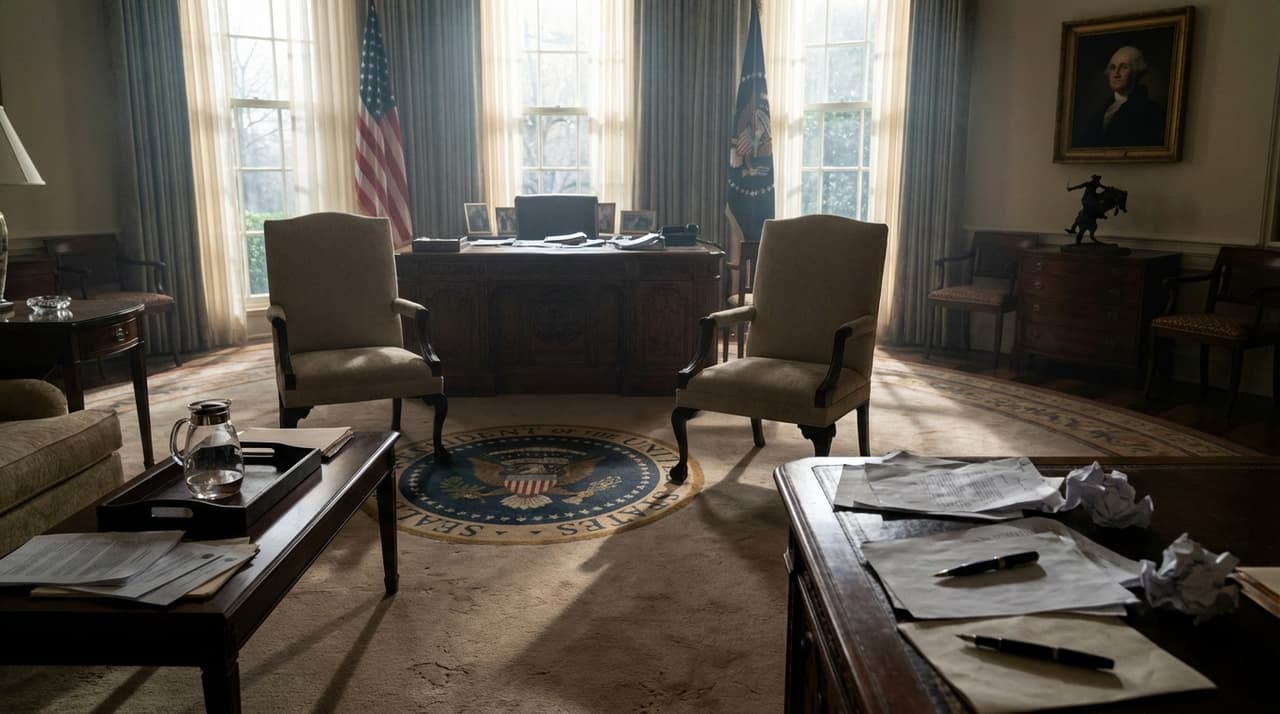
In a tense Oval Office exchange that media sources described as an "unprecedented shouting match," President Trump and Ukrainian President Volodymyr Zelenskyy faced off over ceasefire demands and military support, according to people familiar with the matter. The February 2025 meeting, which built on pre-inauguration strains, saw Trump push for an immediate Russia-Ukraine peace deal, while Zelenskyy insisted on security guarantees, citing past breaches by Putin.
Trump's stance led to a one-week suspension of US intelligence and military aid to Ukraine, a move that rattled Kyiv's defense capabilities amid the ongoing Russian invasion. "Without a deal, the company would be forced into bankruptcy," one analyst noted, drawing parallels to Ukraine's precarious financial situation. Aid resumed after Zelenskyy proposed a 30-day ceasefire, but Russia's swift rejection has left Ukraine exposed, with officials warning of potential Russian expansion without firm guarantees.
In response to the aid pause, the UK stepped in with a £2.26 billion loan to Ukraine, repayable from frozen Russian assets, providing a critical financial lifeline. This development underscores the shifting international support dynamics, as European leaders rally behind Ukraine while Trump's policies tilt toward Russia. Trump later retracted calling Zelenskyy a "dictator," but in a Truth Social (DJT) post, he claimed Zelenskyy "overplayed his hand," prolonging the conflict.
The political fallout is palpable: a March 2025 YouTube (GOOGL) poll showed 51% of US voters viewed Trump as disrespectful to Zelenskyy, highlighting domestic divisions. Meanwhile, Russia praised Trump's restraint, and Trump's subsequent phone call with Putin—the first since the 2022 invasion—marked a stark reversal from prior US isolation efforts. Zelenskyy accused this of spreading "disinformation," and post-meeting, Trump deemed Zelenskyy "not ready for peace," canceling joint events.
Market implications are emerging, with Trump's push for peace potentially affecting global energy markets and mineral resources, evidenced by the canceled Ukraine-US Mineral Resources Agreement. As efforts to restructure its debt have hit a snag, Ukraine's government, including PM Denys Shmyhal, emphasizes the need for sustained support. The short-term outlook remains uncertain, with aid conditional and no troop deployments discussed, reducing the likelihood of US ground presence but raising risks of US abandonment of alliances.
Correction: An earlier version misstated the duration of the aid suspension; it was one week, not two.