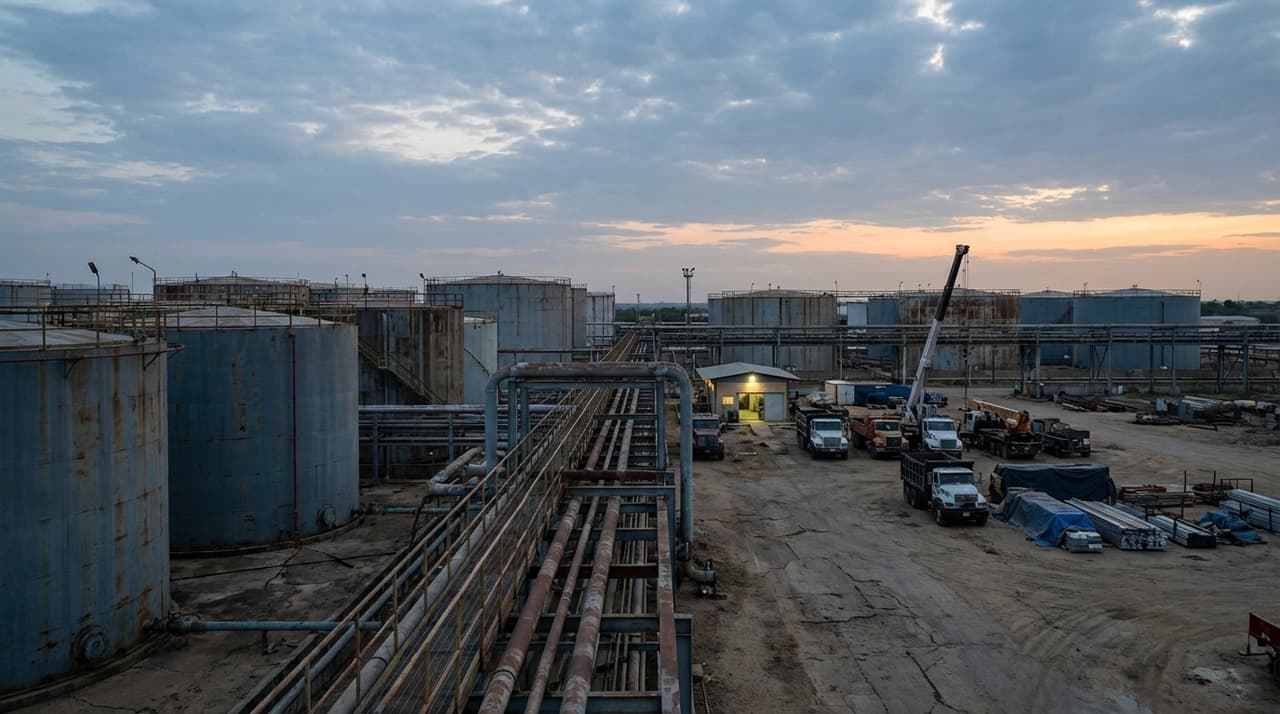
- ExxonMobil (XOM) and other supermajors are preparing to deploy technical teams to assess Venezuelan oil assets, contingent on legal reforms, following a U.S. raid that captured President Nicolás Maduro this month.
- The Trump administration plans to oversee sales of sanctioned Venezuelan oil, depositing proceeds into U.S.-controlled accounts to fund basic services like policing and healthcare, as detailed by Secretary of State Marco Rubio on Wednesday.
- This shift aims to stabilize Venezuela's economy, which holds the world's largest proven crude reserves but faces production collapse, while addressing global energy supply challenges amid depletion trends.
In a move that could reshape Venezuela's oil sector and global energy dynamics, the Trump administration is facilitating a push by major oil companies to scout development opportunities in the country, according to sources familiar with the matter. This comes after a U.S. raid earlier this month led to the capture of Venezuelan President Nicolás Maduro, setting the stage for interim leadership to collaborate with American oversight on oil sales.
ExxonMobil CEO Darren Woods shared the company's interest with President Trump on January 9, 2026, proposing short-term technical teams to assess assets and scout locations, people with knowledge of the discussions said. The plan aligns with a broader U.S. strategy to oversee sales of sanctioned Venezuelan oil, with proceeds directed into accounts controlled by the Treasury for essentials like medicine and infrastructure, as outlined by Secretary of State Marco Rubio. "We're looking at a win-win scenario if legal frameworks are reformed," Woods emphasized in recent remarks, highlighting past asset seizures in the 1940s and 2000s that have kept ExxonMobil absent for nearly two decades.
Venezuela, with its vast crude reserves, has seen production plummet under prior mismanagement, benefiting corrupt elites and China through discounted oil deals. Now, with interim President Delcy Rodríguez announcing oil funds for health and infrastructure, and lawmakers debating energy law overhauls, the landscape is shifting. Rubio noted that hundreds of millions have already been set aside, with up to $3 billion more possible, to prevent systemic collapse. "This isn't about subsidies; it's about oversight to ensure funds reach the people," he said, addressing concerns from Senate Democrats like Sen. Chris Murphy, who criticized the approach as "taking oil at gunpoint" and feared rigged sales for Trump allies.
Industry insiders describe Venezuela as a resource-rich opportunity in what ExxonMobil calls a "depletion business," where current frameworks remain "uninvestable" without hydrocarbon law changes and investment protections. Short-term efforts focus on restarting production to market prices, which could boost revenues and aid global energy supply. ExxonMobil, with a market capitalization around $500 billion as of late 2025, reported transformation delivering higher earnings and stronger cash flow in December 2025 updates, raising its 2030 plan targets. The company's re-entry, if welcomed, could signal decades-long collaboration, Woods stressed, citing a "win-win-win" for governments, people, and firms.
As technical scouting teams gear up, the Trump administration's oversight model—involving audits and respectful channels with interim leaders—aims to contrast prior benefits to China and creditors. No immediate response was received from Rodríguez's office when reached for comment, but sources indicate ongoing negotiations to finalize details. This development underscores a broader U.S. energy security focus, with officials like Rubio anticipating a transition toward recovery without extensive historical context, though debates continue over the implications for international relations and stakeholder impacts.