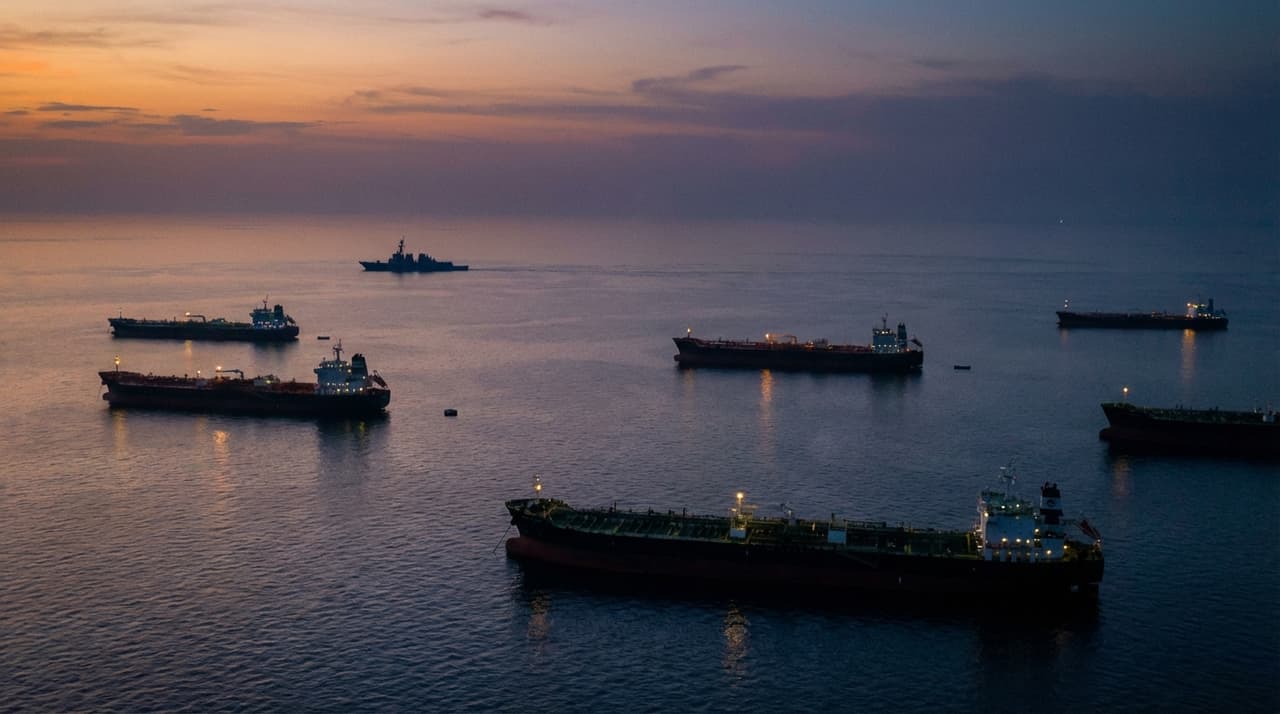
- The US has intensified military strikes and economic sanctions targeting Venezuela's oil exports, with Trump explicitly linking actions to historical oil expropriations.
- Venezuela's oil industry, holding the world's largest proven reserves, faces severe disruption from blockades and sanctions, impacting global markets and international partnerships.
- The Venezuelan government condemns US efforts as an attempt to seize national resources, while US officials cite narcotics trafficking and regime change as justifications.
In a significant escalation of US policy toward Venezuela, President Trump has announced plans to be "strongly involved" in the country's oil industry, backed by military operations and economic measures. According to recent statements, the US has conducted over two dozen air strikes on vessels allegedly linked to drug cartels, killing dozens, and imposed new sanctions on six ships transporting Venezuelan oil, part of a broader blockade affecting over 100 tankers. Trump has framed these actions as a response to decades of historical grievances, stating the blockade will persist until Venezuela returns "all of the oil, land, and other assets that they stole from us," referencing expropriations from US companies in the early 2000s.
Efforts to restructure Venezuela's debt-ridden economy have hit a snag as the blockade forces tankers to reverse course, with Washington positioning warships, aircraft, and troops in the region. This move disrupts Venezuela's primary revenue source, given its reliance on oil exports, and exacerbates existing sanctions from 2017 and 2019 that bar most trade and cripple PDVSA's facilities due to banned US technology imports. Without a deal to ease sanctions, analysts warn the company could face further operational collapse, though European firms like Spain's Repsol and Italy's Eni continue limited operations under licensed exceptions.
International implications are mounting, with Russia and China, key Venezuelan allies, reportedly discouraged from expanding partnerships with PDVSA. Rosneft has used legal workarounds by transferring assets to unsanctioned entities, while China's CNPC maintains only a minimal presence, according to sources familiar with the matter. The Venezuelan government, in response, has characterized US intentions as aimed at seizing oil and mineral resources, asserting that the US "will not succeed" in taking these assets. Attempts to reach US officials for further comment were unsuccessful at press time.
Market data shows immediate volatility in oil prices following the announcements, though specific figures are pending as the situation develops. Trump has suggested the Pentagon may next conduct strikes on land targets, indicating ongoing negotiations and potential for further escalation. This reflects a shift toward more aggressive tactics, with White House Deputy Chief of Staff Stephen Miller echoing historical motivations in recent briefings. The tone here shifts slightly to note that while the administration cites narcotics trafficking and removing President Nicolás Maduro from power as objectives, the explicit focus on oil control marks a departure from prior policy frameworks.
In a brief update, sources indicate that captured President Maduro has been "flown out of the country," though details remain unconfirmed. This article may be corrected as more information emerges.