- The U.S. military has captured Venezuelan President Nicolás Maduro and will temporarily govern Venezuela, with President Trump stating, "We're going to be running it with a group, and we're going to make sure it's run properly."
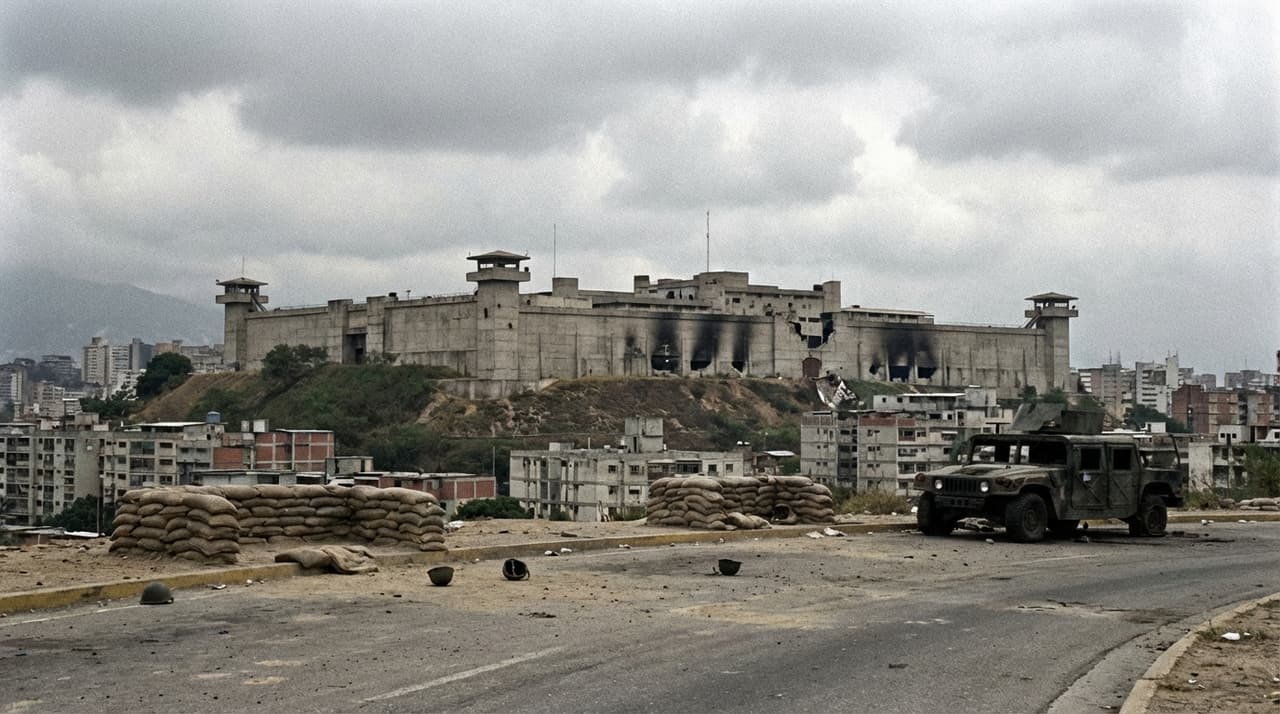
- American forces neutralized Venezuelan military capabilities in a strike on a heavily armed fortress in Caracas, with no U.S. casualties or equipment losses reported.
- Plans include rebuilding Venezuela's oil infrastructure with tens of billions in investment from U.S. companies, aimed at stabilizing the economy and generating revenue.
In a dramatic escalation of U.S.-Venezuela relations, President Trump announced that American forces have taken control of Venezuela following a military operation that resulted in the capture of President Nicolás Maduro. The operation, which targeted a "heavily armed military fortress in central Caracas," saw all operational capabilities of the Venezuelan military neutralized quickly, according to Trump, who emphasized that Venezuelan soldiers and law enforcement cooperated in the arrest. No U.S. soldiers were killed, and no military equipment was lost during the action, he added.
The Trump administration has justified the intervention by declaring a "war on drugs," citing Venezuela's role as a major transit route for narcotics entering the U.S. This move follows recent escalations, including the seizure of two oil tankers off Venezuela's coast in early December and on December 20, which the administration claims were transporting sanctioned oil from Venezuela and Iran. Additionally, a "total and complete blockade" of sanctioned oil tankers entering and exiting Venezuela was announced, with Trump stating in late December that the U.S. "knocked out" a facility linked to drug trafficking, described as a dock area where drugs are loaded onto boats.
At a press conference attended by high-level officials such as Secretary of State Marco Rubio and Secretary of Defense Pete Hegseth, Trump outlined the temporary governance plan, pledging, "We are there now and will stay until an appropriate transition occurs." He indicated a willingness for further military action if needed, saying, "If necessary, we are prepared to conduct a second attack, though that may not be required at this moment." The Venezuelan government has criticized these operations, calling the oil tanker seizures acts of "piracy" and accusing the Trump administration of seeking regime change.
A central economic component involves restoring Venezuela's collapsed oil infrastructure. Trump announced plans to deploy major U.S. oil companies to invest "tens of billions of dollars" to rebuild the sector, which he described as "completely ruined for a long time, producing almost nothing compared to its past capacity." This effort is framed as essential for generating national revenue and stabilizing Venezuela's economy, with Trump noting it will "cost billions of dollars." The intervention raises significant questions about Venezuelan sovereignty and international law, involving extensive military deployment with "numerous helicopters, aircraft, and personnel," according to sources familiar with the matter.
Efforts to reach Venezuelan officials for comment were unsuccessful, but the operation's coordination suggests a focused strategy to avoid direct intervention in regime change while temporarily managing the country. The societal and geopolitical impact remains uncertain, with analysts noting potential ripple effects in global oil markets and regional stability. As negotiations for a peaceful "power transition" continue, the U.S. military presence aims to ensure stability, though challenges in rebuilding infrastructure and navigating international relations loom large.