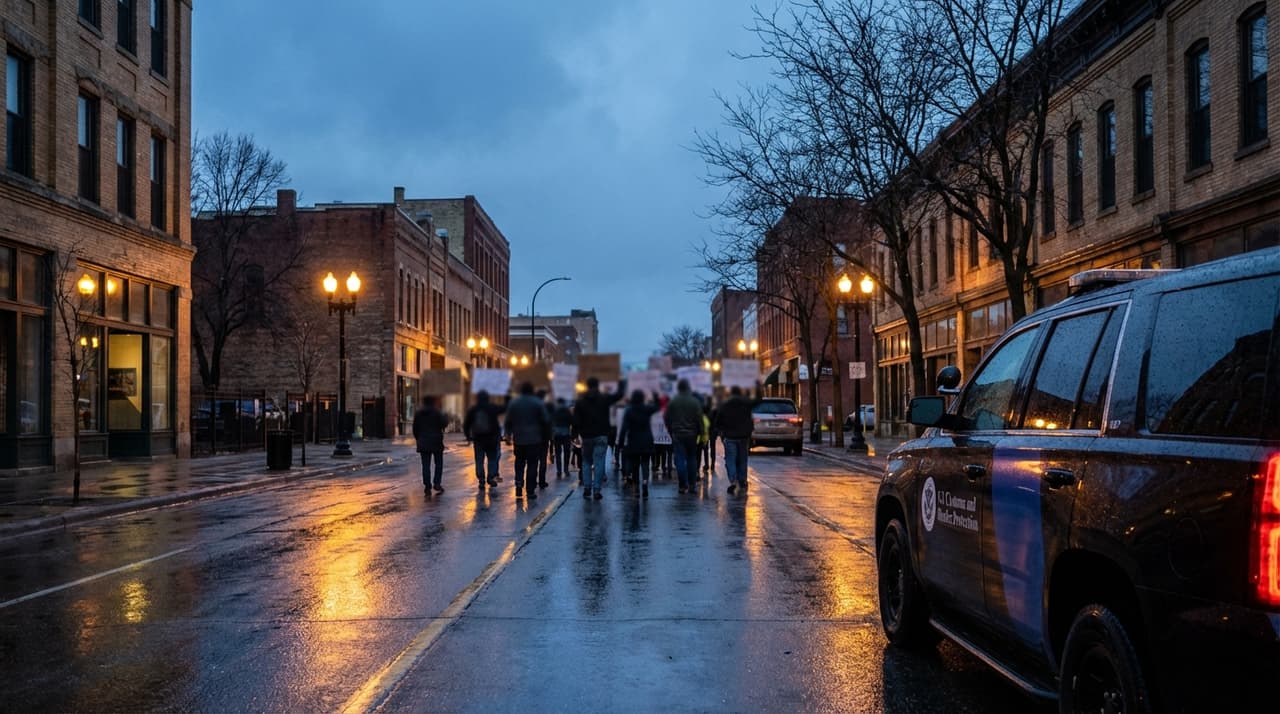
- Federal immigration surge in Minneapolis sparks lawsuits and protests after fatal shootings by CBP officers.
- Trump administration initiates partial de-escalation following phone calls with state officials and leadership changes.
- Minneapolis maintains sanctuary stance, refusing to enforce federal laws amid ongoing legal and political tensions.
Operation Metro Surge Sparks Intense Backlash
A federal immigration enforcement operation in Minneapolis, dubbed "Operation Metro Surge," has triggered significant local resistance, including peaceful protests, state lawsuits, and two fatal shootings by Customs and Border Protection officers over the weekend. The victims, ICU nurse Alex Pretti, 37, who was legally armed, and Renee Macklin Good, were shot under disputed circumstances that have fueled public outrage. According to people familiar with the matter, video and eyewitness accounts contradict initial claims by Border Patrol chief Gregory Bovino, who defended the shootings without providing evidence before being removed from his role.
President Trump held what he described as "very good" phone calls on Monday with Minnesota Governor Tim Walz and Minneapolis Mayor Jacob Frey, leading to a shift in strategy. Trump dispatched border czar Tom Homan to oversee efforts while removing Bovino, signaling a move toward de-escalation. On Tuesday, Trump downplayed any retreat, stating, "We're going to de-escalate a little bit," but insisted operations would continue aggressively. Meanwhile, Frey reiterated that Minneapolis will not enforce federal immigration laws, a stance Trump has blasted as a serious legal violation, warning the mayor is "playing with fire."
Legal and Political Maneuvering Intensifies
Minnesota has sued for access to evidence, such as body camera footage, and sought a restraining order to end the surge, calling it disproportionate and straining local resources in this major Midwestern hub. A federal judge denied the immediate order but requested more filings by Wednesday, keeping the legal battle alive. The Trump administration has demanded that Minnesota end its sanctuary policies, offering to reduce agents in exchange for cooperation like sharing voter records—a move state officials labeled a "ransom note" from Attorney General Pam Bondi.
Governor Walz noted a "more collaborative tone" from Trump following the calls, but divides persist as Frey upholds non-enforcement. This clash occurs amid national debates over Department of Homeland Security funding, with Senate Democrats pushing to defund it in appropriations, risking a partial government shutdown. No direct market trends have been noted, but immigration enforcement ties to broader labor market shifts, particularly in sectors like healthcare, where Pretti worked as a nurse.
Societal Impact and Future Outlook
Protests have remained peaceful but tense, with state access to shooting scenes initially blocked, according to sources. The situation affects stakeholders including families of the victims—Trump called the shootings "terrible" but blamed Pretti's gun and suggested Good's radicalization—as well as immigrants, locals, and federal agents. Trump highlighted deportations of "murderers" and "drug dealers" while acknowledging rare errors, sparking debates on federal overreach, sanctuary cities, and permitted firearms.
Short-term, Homan's oversight and Bovino's exit may reduce tensions, but court filings due Wednesday could alter the surge's scale. Long-term, potential policy shifts hinge on whether Minnesota cooperates, though Frey's stance suggests ongoing friction. Trump vows no retreat from nationwide crackdowns, with Walz anticipating agent reductions. Experts note lawsuits may prolong disputes without broader federal-local alignment, as similar sanctuary clashes threaten in other blue cities. This stems from longstanding Minnesota sanctuary policies, prompting Trump's "RECKONING & RETRIBUTION" social media post and the largest single-location immigration deployment, paralleling prior Trump-era surges now escalated by shootings.