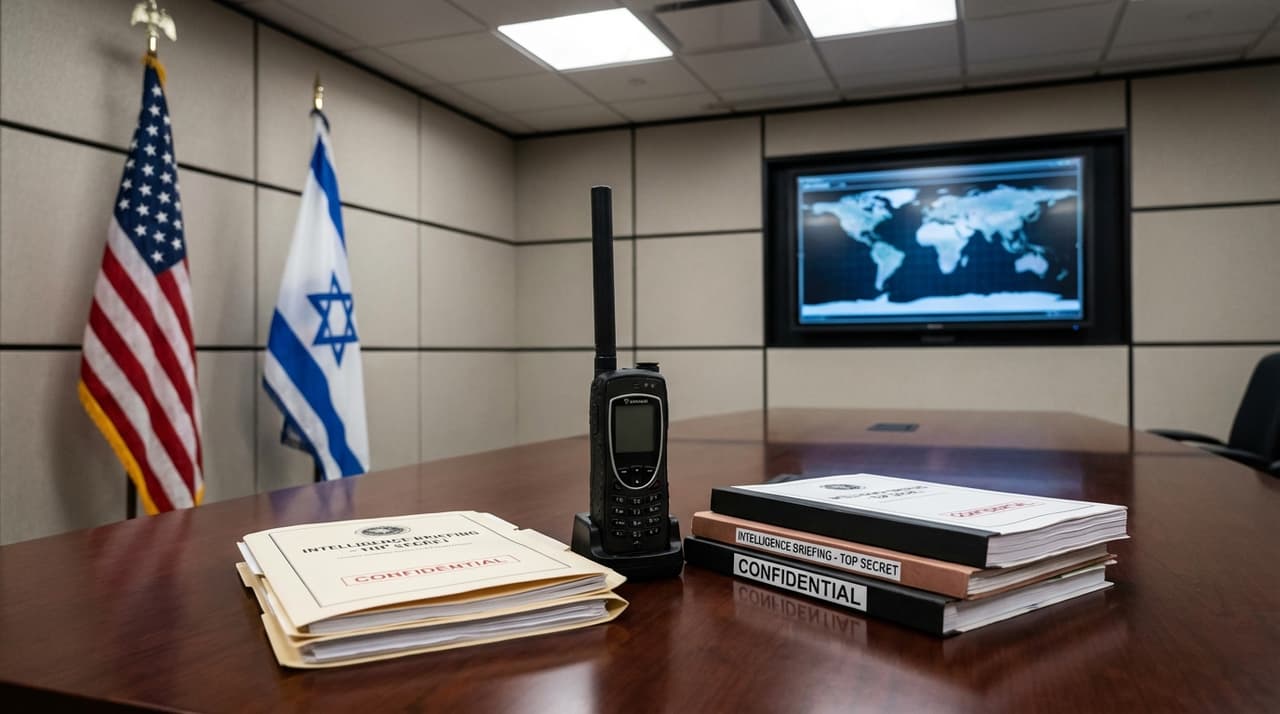
- Netanyahu urges Trump to delay any US military strike on Iran to allow Israel time to bolster defenses against potential retaliation.
- Trump confirms the call, stating that killings and 800 planned executions in Iran have halted, pausing US action while keeping options open.
- US forces partially evacuated Al Udeid Air Base in Qatar due to strike fears but began returning as tensions eased, with Mossad chief David Barnea visiting the US for talks on Iran.
A Delicate Diplomatic Dance
In a second phone call on Wednesday, January 14, 2026, Israeli Prime Minister Benjamin Netanyahu pressed former President Donald Trump to hold off on any US military strike against Iran, according to people familiar with the matter. Netanyahu argued that a delay would give Israel critical time to strengthen its defenses against possible Iranian retaliation, amid Tehran's ongoing crackdown on anti-regime protests. Trump, who confirmed the call but did not disclose specifics, later noted that the reported killings and 800 planned executions in Iran had stopped, leading him to pause US action while maintaining military readiness.
Efforts to de-escalate the situation have gained momentum, with US forces at Al Udeid Air Base in Qatar partially evacuating on Wednesday over strike concerns, only to begin returning on Thursday as fears subsided. Mossad chief David Barnea traveled to the US on Friday for discussions on Iran, meeting with White House envoy Steve Witkoff, who has been communicating with Iran's foreign minister about halting executions and potential talks on nuclear and missile issues. "We're in a holding pattern, but the pressure is still on," said one source briefed on the talks, speaking on condition of anonymity.
Trump has signaled a shift toward diplomacy, informing Iran via Arab intermediaries—including Saudi Arabia, Qatar, Oman, and Egypt—that no attack is imminent if restraint continues. However, military assets like the USS Abraham Lincoln are deploying to the region, underscoring the volatile backdrop. Iran's economy, described as "stumbling" by analysts, faces added strain from the protests, with Witkoff suggesting that diplomacy could pave the way for reintegration if Tehran addresses uranium enrichment, missiles, and proxy activities.
Without a deal, the company would be forced into bankruptcy, but in this geopolitical context, the stakes are even higher: a miscalculation could trigger broader conflict. Arab states have mediated to avert war, conveying that attacks on US assets would strain regional ties, while Iran's regime grapples with internal collapse risks, as noted by exiled Prince Reza Pahlavi. Protests have led to thousands dead in Iran's crackdown, sparking global calls for intervention; the halt in executions offers temporary relief, but stakeholders from Gulf populations to dissidents remain on edge.
Looking ahead, a US strike remains possible in days if killings resume, with added regional forces on standby. Long-term, experts point to potential nuclear talks if Iran makes concessions, or regime fall if protests intensify—though some argue the supreme leader must negotiate directly with Trump. As one industry insider put it, "The filing deadlines for diplomatic solutions are tight, but the alternatives are far worse." Attempts to reach the White House for further comment were not immediately successful.
Correction: An earlier version misstated the date of the phone call; it occurred on January 14, 2026.