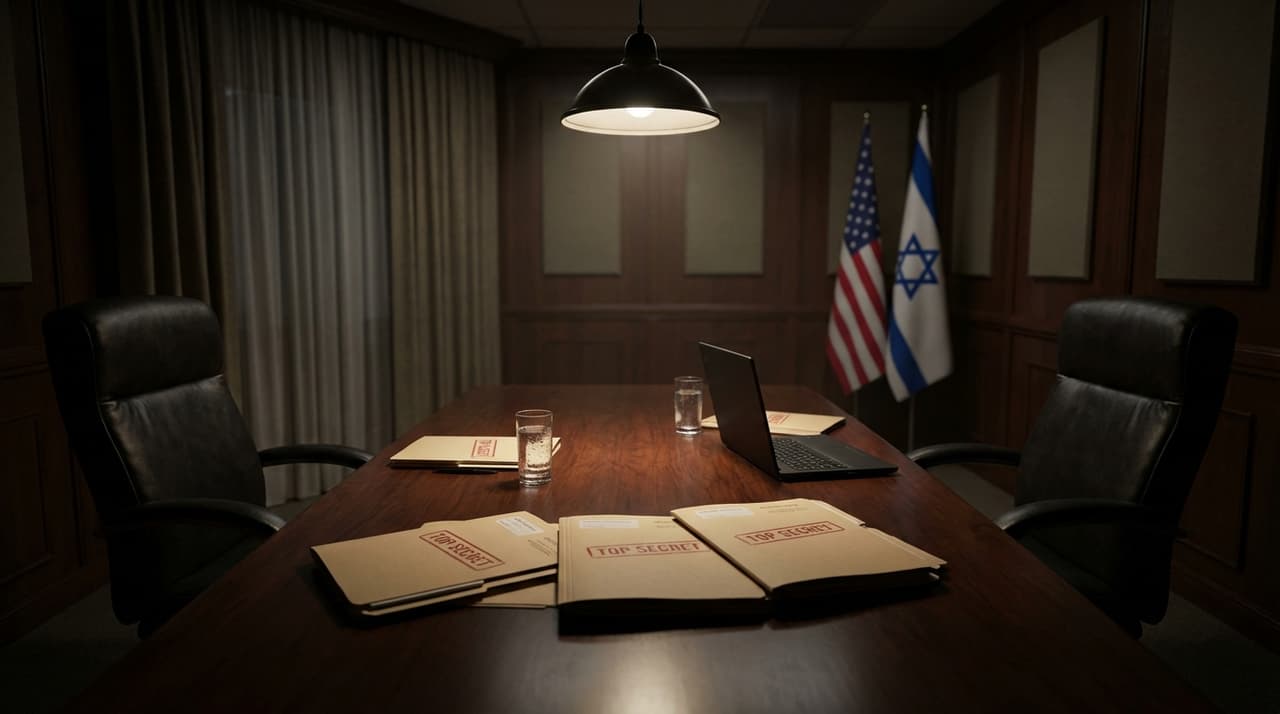
- Israeli Prime Minister Benjamin Netanyahu reportedly asked U.S. President Donald Trump on Wednesday, January 14, 2026, to delay any potential U.S. military strike on Iran until the regime weakens further amid ongoing mass protests, according to sources cited by NBC News and reported in ILTV and i24News.
- Trump has since signaled restraint, informing Iran he does not intend to attack and urging Tehran to exercise restraint during the protests, per Iran's envoy to Pakistan as reported by Al Jazeera and Pakistani media.
- This follows Trump's cancellation of talks with Iranian officials over their crackdown on demonstrators, now in their third week, with warnings that those responsible "will pay a big price" via potential military, cyber, or economic measures.
A Diplomatic Pause in Rising Tensions
In a move that underscores the delicate balance of power in the Middle East, Israeli Prime Minister Benjamin Netanyahu has reportedly urged U.S. President Donald Trump to hold off on any military action against Iran. According to people familiar with the matter, Netanyahu made the request on Wednesday, January 14, 2026, arguing that the current regime in Tehran is not yet vulnerable enough for a strike to succeed. Instead, Israel supports non-military strategies, such as bolstering the ongoing protests and tightening sanctions, to weaken Iran from within.
Trump's response has been one of measured restraint, at least publicly. Sources indicate he has informed Iranian officials through diplomatic channels that he does not plan an immediate attack, while also calling on Tehran to show restraint amid the escalating crackdown on demonstrators. This stance marks a shift from earlier rhetoric, where Trump warned that those responsible for the repression "will pay a big price," hinting at potential military, cyber, or economic measures. The protests, now in their third week, have been fueled by deadly government responses and economic woes, drawing international attention and complicating U.S.-Iran relations.
Strategic Calculations and Regional Ripples
Behind the scenes, the dynamics reflect a complex interplay of political and military considerations. Israel, while supportive of U.S. efforts for regime change, prefers to avoid a premature strike that could backfire or trigger retaliatory attacks on Israeli targets. Uncertainty over a potential U.S. action has already disrupted travel in the region and elevated fears of Iranian retaliation, according to sources close to Israeli security assessments. Meanwhile, Trump's administration is weighing a range of options, from diplomacy and pressure to limited covert actions, as it navigates the volatile situation.
In related developments, Trump has announced a Phase 2 Gaza war plan and aligned with Netanyahu on keeping the Rafah border closed until hostages return, adding layers to the regional instability. Iranian opposition figures, including Reza Pahlavi, have gained some U.S. attention, though Trump reportedly doubts his domestic support. The situation echoes past high alerts under Republican presidents, with speculation that Trump may still pursue a major undisclosed action against Iran in the future. For now, the focus remains on the protests and their potential to erode Iran's institutions, with experts noting that joint U.S.-Israel defense tech cooperation could be key in countering shared threats.
This article is based on reports from NBC News, ILTV, i24News, Al Jazeera, and Pakistani media, with information from anonymous sources. Attempts to reach Israeli and Iranian officials for comment were not immediately successful.