- US President Donald Trump asserts India agreed to stop buying Russian oil and switch to Venezuelan crude, but Indian officials have not verified any such deal with Trump or Prime Minister Narendra Modi.
- The claim follows Modi's January 30 call with Venezuela's acting president Delcy Rodríguez on bilateral ties, amid US tariffs pressuring India over Russian imports and Venezuela's post-Maduro reforms opening its oil sector.
- Indian refiners have reduced Russian oil purchases due to 50% US tariffs imposed in August 2025, prompting diversification efforts and global market shifts as Venezuela eases sanctions.
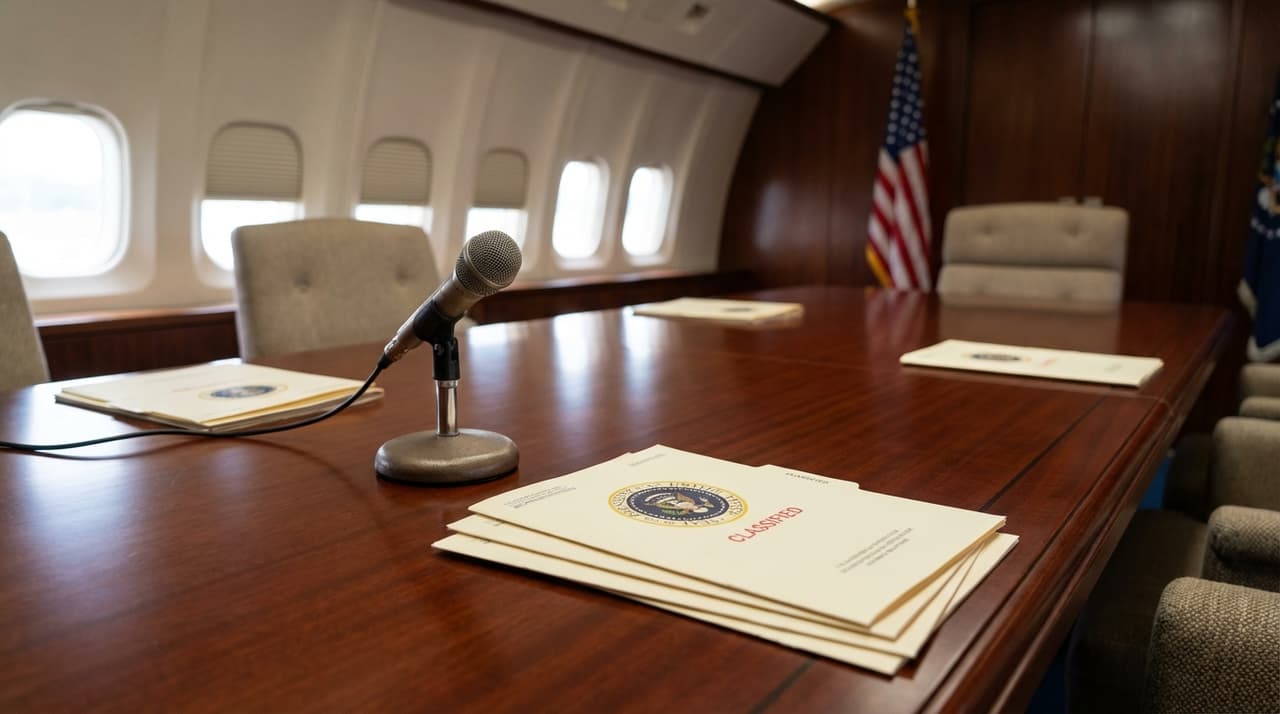
US President Donald Trump claimed on Air Force One in late January 2026 that India agreed to halt purchases of Russian oil and pivot to Venezuelan crude instead, according to people familiar with the matter. This comes as US tariffs—a 50% levy on Indian goods combining reciprocal and penalty charges for Russian crude imports—have pressured New Delhi, leading refiners to cut back on discounted Russian supplies. However, Indian officials have not confirmed any agreement with Trump or Modi, leaving the assertion unverified and sparking market speculation.
Efforts to restructure India's energy sourcing have hit a snag amid geopolitical tensions. Trump's remarks suggested a "deal concept" where India would buy Venezuelan oil "as opposed to buying it from Iran," though sources clarify the context involves shifting from Russia, not Iran. The timing aligns with Modi's January 30 call with Venezuela's acting president Delcy Rodríguez, which discussed deepening bilateral partnerships, according to a readout from Indian authorities. This follows the US capture of Venezuelan President Nicolás Maduro on January 3, which prompted reforms to lower taxes and royalties and allow private investment in Venezuela's vast oil reserves, easing sanctions and opening new opportunities.
Without a confirmed deal, India faces heightened costs from US tariffs, impacting exporters and energy consumers. Indian refiners, who had ramped up Russian oil imports post-2022 for economic benefits, are now seeking alternatives, with some eyeing Venezuela's newly accessible market. A spokesperson for India's external affairs ministry declined to comment on Trump's claims when reached, emphasizing ongoing efforts to diversify trade through deals like the EU-India agreement finalized in early 2026 and others with the UK and EFTA to counter US volatility. Meanwhile, Venezuela's reforms have attracted global interest, with China also invited to invest, signaling a potential realignment in oil flows.
In the political arena, US-India tensions simmer despite prior Quad cooperation pledges, with India filing a WTO challenge instead of retaliating against tariffs. Modi's administration maintains ties with Russia for energy and military needs amid the Ukraine war, drawing scrutiny from the EU, which recently sanctioned Indian entities for tech supplies to Russia. As negotiations continue, experts note that geopolitical momentum may outweigh economic factors in India's diversification strategy, with risks if Russia ties persist. Market data shows slight fluctuations in oil prices as traders monitor developments, though no major shifts have occurred yet.
Correction: An earlier version misstated the timing of Trump's remarks; they occurred on January 31 or February 1, 2026, not earlier in the month.