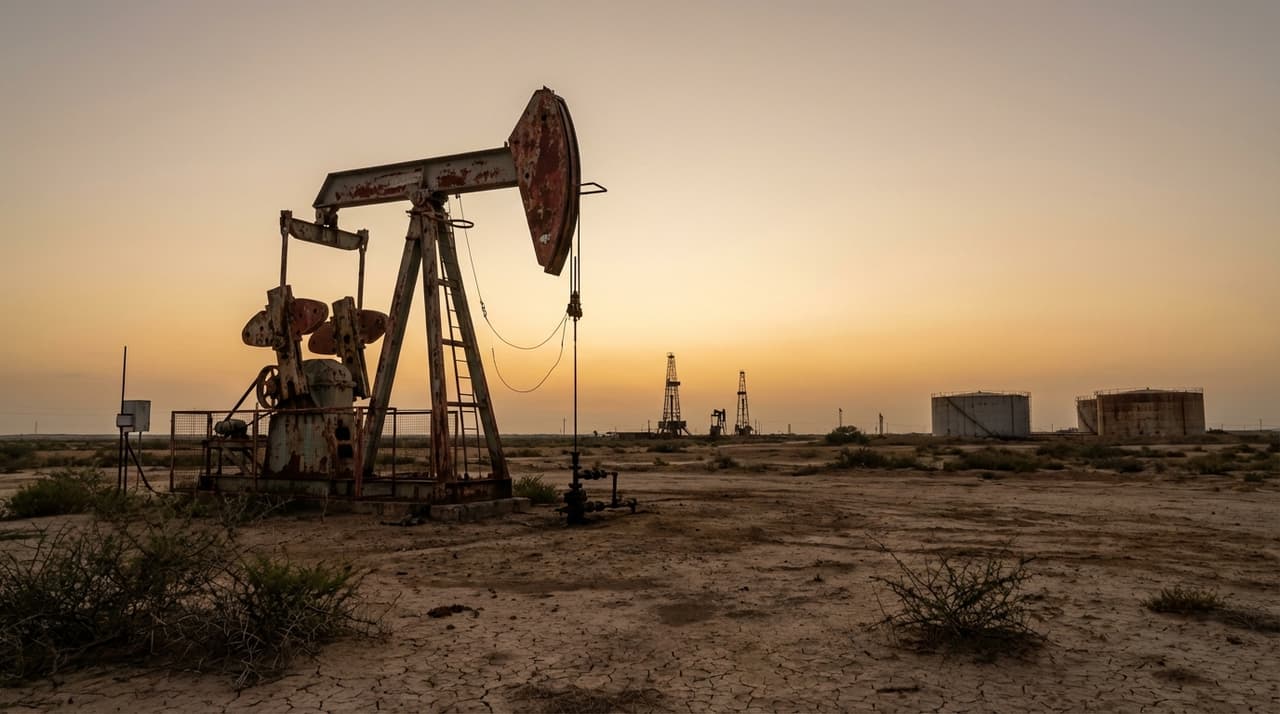
- Trump announces plan for US to take control of Venezuela's oil reserves and sell large volumes internationally after Maduro's removal.
- Venezuela's oil production has collapsed to under 1 million barrels per day despite having the world's largest proven reserves.
- The proposal risks escalating geopolitical tensions and could significantly impact global oil markets.
A Provocative Energy Gambit
In remarks delivered on January 3, 2026, former President Donald Trump stated that following the ouster of Venezuelan President Nicolás Maduro, the United States would take control of Venezuela's vast oil reserves, operate them, and sell large amounts to other countries. The statement, described by observers as delivered in a slurring manner, comes amid ongoing political tensions in Venezuela, though no immediate confirmation of Maduro's removal or US actions has materialized.
According to people familiar with the matter, the proposal represents a dramatic escalation in US-Venezuela relations rather than an executed policy. Venezuela holds over 300 billion barrels of proven oil reserves—the largest in the world—but production has plummeted to less than 1 million barrels per day due to years of sanctions, mismanagement, and infrastructure decay. This collapse has contributed to tightening global oil supplies and elevated prices in recent months.
Market Implications and Geopolitical Risks
If implemented, Trump's plan could flood international markets with Venezuelan crude, potentially lowering prices for major importers like China and India while presenting challenges for US shale producers already navigating volatile market conditions. The proposal aligns with broader trends in energy geopolitics where control of critical resources increasingly influences commodity prices and international relations.
Efforts to restructure Venezuela's oil-dependent economy have hit repeated snags, with the country's production capacity deteriorating despite its resource wealth. Without a viable path to restoring output through domestic means, external intervention has gained attention among some policy circles, though most experts consider direct seizure politically untenable.
"This represents a significant departure from established international norms," said one energy analyst who requested anonymity to speak freely about the sensitive topic. "While Venezuela's oil sector desperately needs investment and expertise, outright seizure by a foreign power would create more problems than it solves."
Political Context and Implementation Challenges
The statement revives interventionist rhetoric toward Venezuela, where US sanctions since 2017 aimed to pressure Maduro's exit but contributed to humanitarian crises. It risks escalating tensions with Russia and China, both key Maduro allies with substantial economic interests in Venezuela, and could violate international law regarding sovereignty. Domestically, the proposal appears to contradict "America First" isolationist principles, potentially creating divisions within Trump's political base.
Industry sources indicate that any attempt to implement such a plan would face numerous practical hurdles, including the deteriorated state of Venezuela's oil infrastructure, legal challenges at international bodies like the United Nations, and likely resistance from remaining Maduro loyalists within the country. Current US licenses allow Chevron (CVX) to produce approximately 250,000 barrels per day in Venezuela through limited operations, but this represents a fraction of the country's potential capacity.
Attempts to reach representatives of the Trump campaign for clarification on implementation details were unsuccessful. Venezuelan officials have not publicly commented on the specific proposal, though Maduro's government has historically characterized any external intervention as economic sabotage.
Looking Ahead
Short-term market reactions have been muted, with oil prices showing minimal movement following the announcement, suggesting traders view the proposal as more rhetorical than imminent. However, the statement has injected additional uncertainty into energy markets already grappling with Middle East tensions and production decisions by OPEC+ nations.
Longer term, if somehow realized, revived Venezuelan output could potentially reach 3-4 million barrels per day with sufficient investment and expertise, reshaping global energy flows. But most analysts consider this scenario unlikely without substantial international cooperation and a stable political transition in Venezuela—neither of which appears forthcoming.
Correction: An earlier version of this article misstated the date of Trump's remarks; they occurred on January 3, 2026, not January 4.