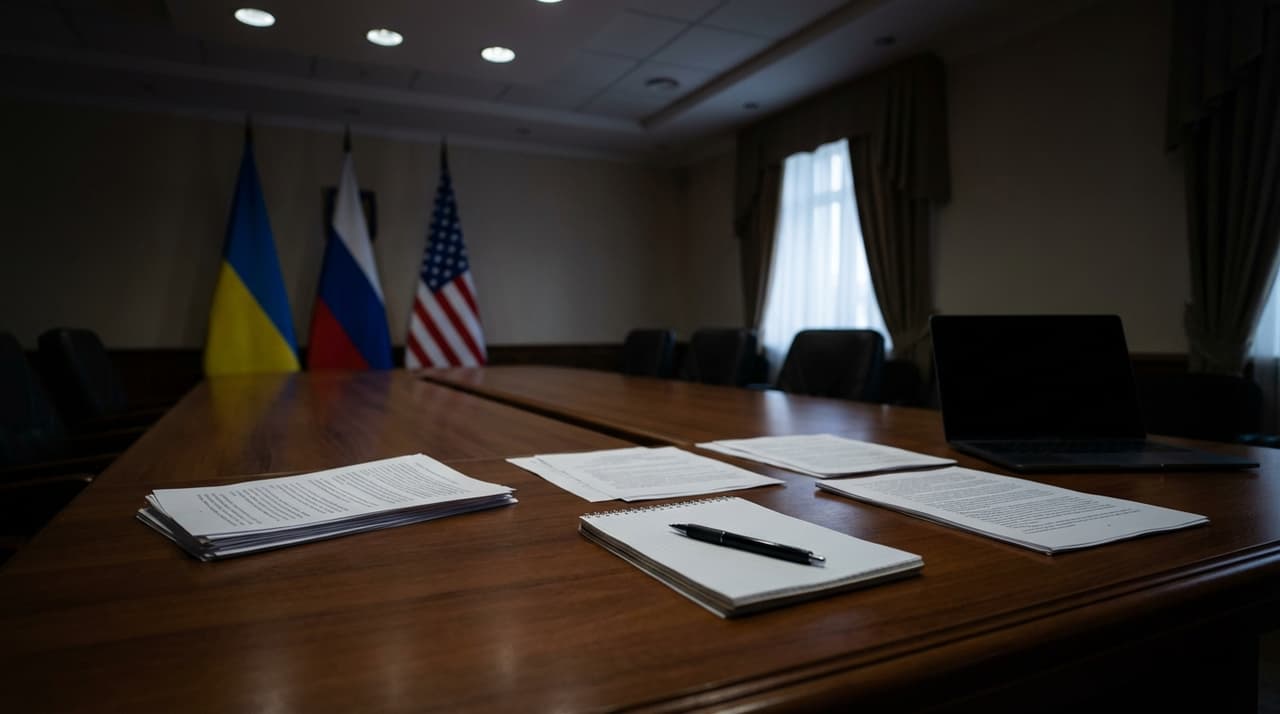
- Trump's team expresses anger at both Ukraine and Russia over the stalled conflict, highlighting frustration with the lack of a ceasefire or political settlement.
- European and Ukrainian officials fear a U.S.-brokered deal could pressure Kyiv into painful concessions, potentially favoring Russia.
- The war's economic toll, including energy and commodity shocks, adds urgency to calls for a rapid resolution, though geopolitical risks loom.
A Dual Discontent Emerges
Donald Trump's spokespeople have signaled that the former president is growing increasingly frustrated with both Kyiv and Moscow as the Ukraine-Russia war grinds on without a clear end in sight. According to people familiar with the matter, Trump's team has described his anger as stemming from the stalled negotiations and what they see as obstruction from both sides in reaching a peace deal. This sentiment reflects a broader impasse that has left the conflict dragging into its third year, with recent drone and missile attacks by Russia exacerbating the human and economic toll.
Efforts to broker a settlement have hit a snag, with Trump-linked messaging criticizing Moscow for its escalation and Kyiv for not moving quickly enough toward talks. In private discussions, sources say Trump has used harsh language about Vladimir Putin while also expressing concerns over the war's impact on global stability. The lack of progress has reportedly left Trump exasperated, as he pushes for a rapid de-escalation that could ease pressure on energy prices and European economies. However, without a deal, analysts warn that the conflict could continue to hamper global growth, particularly on the energy front.
European Anxieties and Economic Implications
European officials, speaking on condition of anonymity, have voiced fears that a U.S.-driven peace push under Trump might pressure Ukraine into concessions that could be seen as favorable to Russia. This has sparked debates within NATO and EU circles about maintaining support for Kyiv while navigating potential splits in the Western camp. The war has already weighed heavily on the global economy, with energy shocks rippling through markets; a faster end could theoretically stabilize prices, but a lopsided agreement might increase long-term geopolitical risk and investment uncertainty.
In recent weeks, Trump's stance has energized critics who fear appeasement of Russia, while appealing to segments of the public prioritizing reduced foreign entanglements. The political context is fraught, as U.S. domestic debate over continued aid to Ukraine intersects with international commitments. Attempts to reach out to Trump's representatives for further comment were unsuccessful, but sources indicate that his team is actively signaling a tougher tone toward Putin alongside calls for negotiations. The human cost remains stark, with Ukrainians facing ongoing attacks and displacement, adding urgency to diplomatic efforts.
Outlook and Uncertain Path Forward
Short-term, expect intense diplomacy and signaling from Trump's circle as they test frameworks for a ceasefire, though resistance from Kyiv and European capitals persists. The war on the ground is likely to continue while all sides assess battlefield dynamics before accepting any political border. Long-term, if a Trump-backed deal tilts toward Russian demands, analysts caution it could raise security risks for Europe and undermine norms against territorial conquest. Conversely, a balanced settlement with credible guarantees might reduce military spending pressures and normalize energy markets, albeit with persistent mistrust.
Related developments include ongoing debates over defense spending and security guarantees for Ukraine, which will shape any potential settlement. As negotiations unfold, the focus remains on current facts: Trump's frustration highlights a shifting U.S. stance that could redefine the conflict's trajectory, with implications for global stability and economic recovery. Updates may follow as diplomatic efforts evolve, but for now, the path to peace remains clouded by competing interests and geopolitical complexities.