- President Trump's statement of no U.S. soldier deaths is directly contradicted by a Pentagon-confirmed attack in Syria that killed two soldiers and a civilian interpreter.
- The incident, linked to ISIS, has prompted Trump to vow retaliation, highlighting tensions in U.S.-Syria cooperation amid ongoing anti-terrorism efforts.
- Broader U.S. military actions, including recent strikes in Venezuela, reflect a policy shift targeting illicit economies, with potential ripple effects on global markets.
Contradiction Emerges in Syria Incident
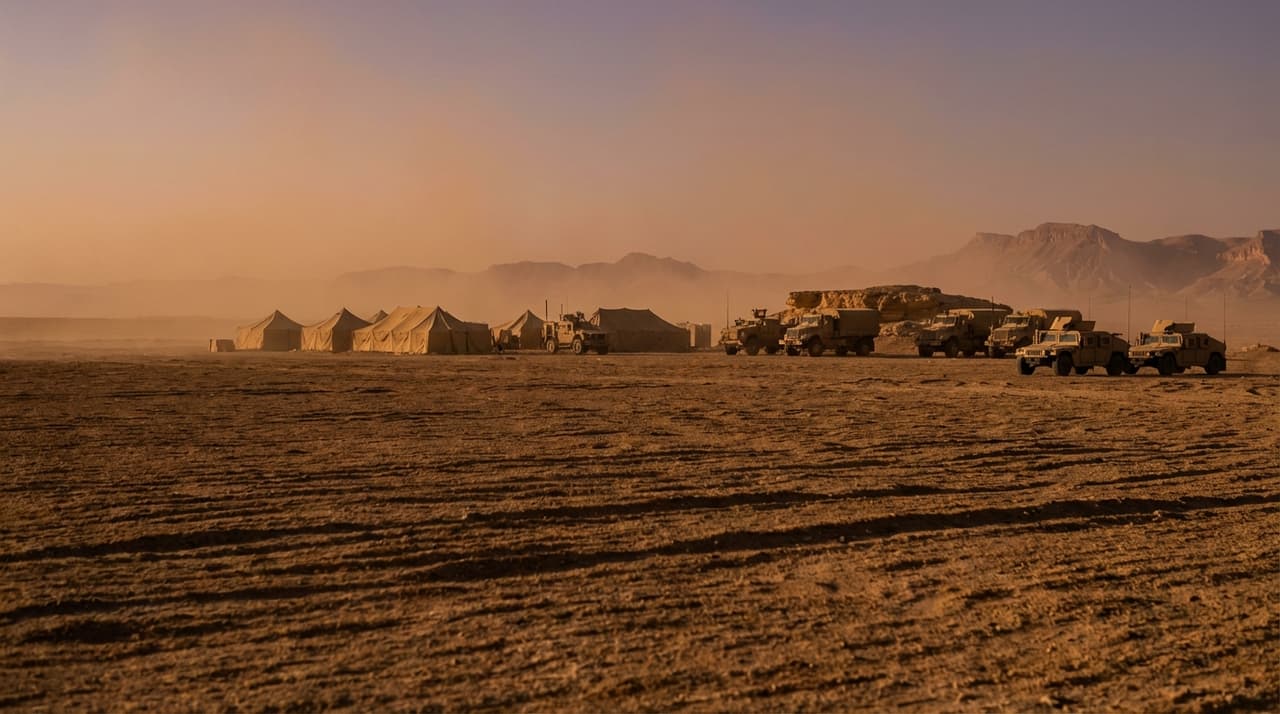
In a stark contradiction to President Trump's claim that no U.S. soldiers were killed, the Pentagon confirmed on December 13, 2025, that two U.S. soldiers and one civilian interpreter lost their lives in a suspected ISIS attack during anti-ISIS operations near Palmyra, Syria. Three other U.S. soldiers were wounded in the engagement, according to people familiar with the matter, with the attacker—initially linked to ISIS but later identified as a Syrian government security member under investigation for extremism—killed by partner forces. Two Syrian military personnel were also injured, underscoring the volatile nature of the region.
Trump addressed reporters at the White House shortly after, calling the victims "great patriots" and promising "very serious retaliation," a vow that Defense Secretary Pete Hegseth echoed on X, warning that threats to Americans would face ruthless pursuit. U.S. Ambassador to Turkey Tom Barrack condemned the attack and reaffirmed commitment to Syrian partners, but the incident has cast a shadow over recent diplomatic gains. This remains a developing story as of late December 2025, with sources indicating ongoing investigations into the attacker's motives and potential retaliatory measures.
Political and Economic Implications
The attack follows a U.S.-Syria political cooperation agreement in November 2025, during Syrian President Ahmed al-Sharaa's White House visit, which emphasized anti-terrorism and stability. Sharaa, a former Al-Qaeda-linked leader who ousted Bashar al-Assad a year ago, has built friendly ties with Trump, yet the incident strains this nascent partnership. Efforts to maintain troop presence in Syria have hit a snag, as Trump has long-stated a desire to withdraw U.S. forces, exemplified by a partial 2019 pullout and recent plans for a full exit. Without sustained cooperation, the region could see increased instability, experts warn.
Separately, broader U.S. military actions are influencing global dynamics. Recent strikes in Venezuela, tied to drug trafficking routes, reflect Trump's policy of targeting illicit economies, potentially affecting global oil markets given Venezuela's role. In a January 3, 2026, operation, U.S. Delta Force captured Venezuelan President Nicolás Maduro in a "large-scale strike" in Caracas, with no U.S. casualties reported. Trump praised the move and plans a Mar-a-Lago news conference, but critics like Sen. Andy Kim accuse the administration of bypassing Congress and pursuing regime change without approval, sparking outcry and a state of emergency declaration in Venezuela.
Human and Operational Fallout
Families of the fallen U.S. personnel and wounded soldiers are primary stakeholders, with public tributes from Trump and officials highlighting the human cost. Syrian partners face operational risks, as the attack underscores the dangers of joint missions in conflict zones. Debate has emerged over U.S. troop presence in Syria amid Trump's withdrawal rhetoric, with retired Maj. Gen. James Marks noting in CNN analysis that such volatile regions pose significant risks to long-term strategy.
In Venezuela, the capture of Maduro has escalated tensions, with Venezuelan officials calling for UN intervention. This action, coupled with recent U.S. airstrikes prioritizing ISIS targets in Nigeria over a Christmas Venezuela mission, signals a broader shift in U.S. foreign policy under Trump. As these developments unfold, market watchers are eyeing potential impacts on oil prices and regional stability, though direct economic effects from the Syria incident remain limited for now.
Correction: An earlier version of this article misstated the date of the Venezuela operation; it occurred on January 3, 2026, not in late December 2025.