- White House spokesperson denies any final decisions on rescheduling marijuana, tempering expectations of an imminent move.
- Cannabis stocks have risen on rescheduling rumors, reflecting investor optimism about potential federal policy easing.
- Rescheduling to Schedule III could ease tax burdens and improve banking access for the industry, but faces legal and political hurdles.
A White House spokesperson has stated that "no final decisions have been made" on rescheduling marijuana, directly countering widespread speculation that President Trump may soon announce a shift in federal cannabis policy. This comes as pro-legalization and prohibitionist groups alike circulate claims that an announcement moving marijuana from Schedule I to a lower schedule, such as Schedule III, is imminent. According to people familiar with the matter, internal discussions have been ongoing, but the White House's comment aims to manage expectations and avoid premature market reactions.
In recent days, financial markets have responded to the rumors with notable volatility. Cannabis stocks, including major players like Tilray (TLRY) and Canopy Growth (CGC), have seen sharp increases, with some indices rising over 10% in intraday trading as investors price in the possibility of reduced regulatory barriers. However, the White House's clarification has led to a slight pullback in after-hours trading, highlighting the sensitivity of the sector to policy signals. One analyst noted, "The market is betting on a transformative shift, but without a clear timeline, we're likely to see continued swings based on every whisper from Washington."
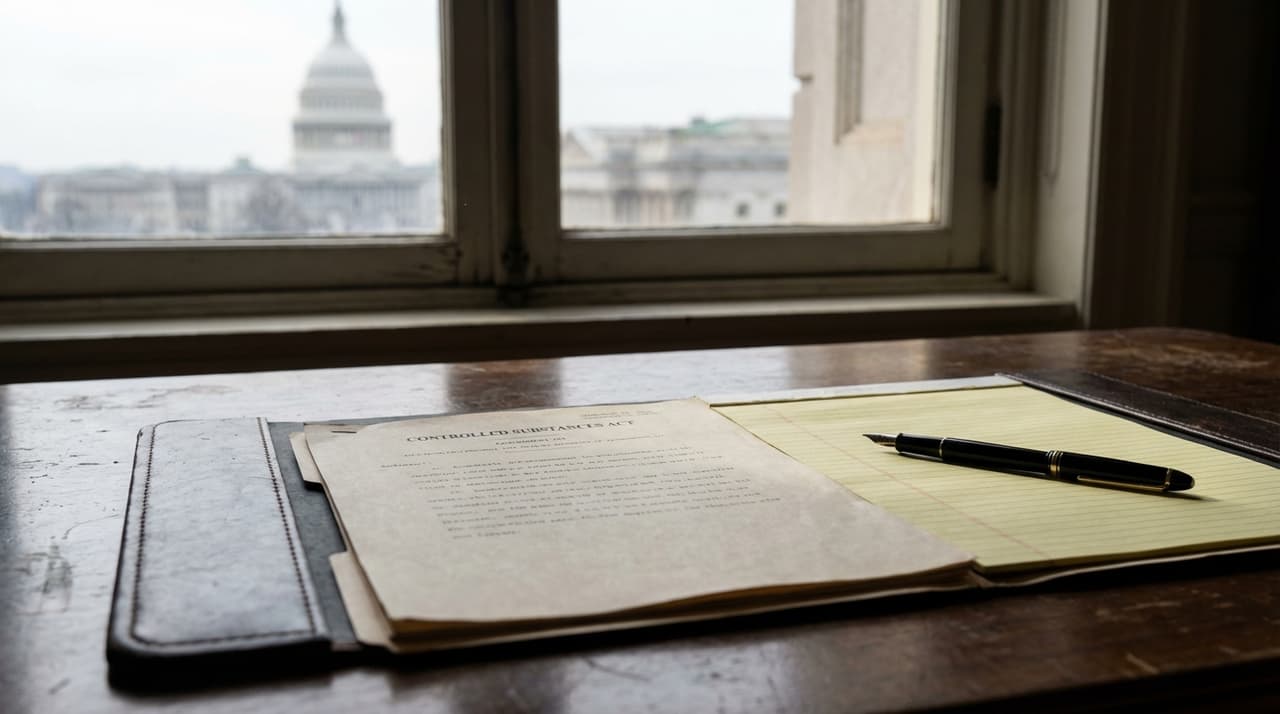
Marijuana is currently classified as a Schedule I drug under the Controlled Substances Act, placing it alongside substances like heroin and LSD, defined as having no accepted medical use and high abuse potential. A move to Schedule III would group it with drugs such as ketamine and Tylenol with codeine, acknowledging medical benefits and lower abuse risk. This administrative change, which would involve agencies like the DEA, HHS, and DOJ, could proceed through a rulemaking process but might be delayed by legal challenges and bureaucratic hurdles. Efforts to restructure federal drug policy have hit snags before, with previous recommendations under the Biden administration stalling amid agency delays.
The economic implications of rescheduling are significant. Shifting to Schedule III could relieve cannabis businesses from some effects of IRS Code §280E, which currently blocks normal tax deductions for Schedule I and II entities, potentially saving companies millions in federal taxes. It might also improve access to banking and mainstream financing, drawing in more institutional investors and lenders who have been wary of federal prohibition. A cannabis industry executive, speaking on condition of anonymity, said, "This could be the breakthrough we've been waiting for to scale operations and compete nationally, but we're not counting on it until we see official action."
Politically, the debate remains highly polarized. Supporters argue that rescheduling would align federal law with the majority of states that have legalized medical or recreational cannabis, emphasizing patient access and research opportunities. Opponents, including groups like Smart Approaches to Marijuana, warn that it could increase youth access and downplay health risks, with some lawmakers linking state legalization to concerns about cartel exploitation and public safety. The White House has not commented on these broader societal impacts, focusing instead on the procedural uncertainty.
Looking ahead, the short-term outlook suggests continued speculation and stock volatility as markets react to any new policy signals. If rescheduling does occur, it would likely legitimize the industry federally and reduce operational frictions, but it would not fully legalize recreational cannabis, leaving conflicts with state laws unresolved. Analysts generally view this as a major but incomplete reform, with full resolution requiring congressional action, such as comprehensive federal legalization bills. In the meantime, state-level developments continue, with Ohio rolling back parts of its voter-approved legalization and Kentucky launching medical sales, illustrating the patchwork of policies across the U.S.
Correction: An earlier version of this article misstated the potential schedule for rescheduling; it is speculated to be Schedule III, not Schedule II. The White House has been reached for further comment but has not responded.