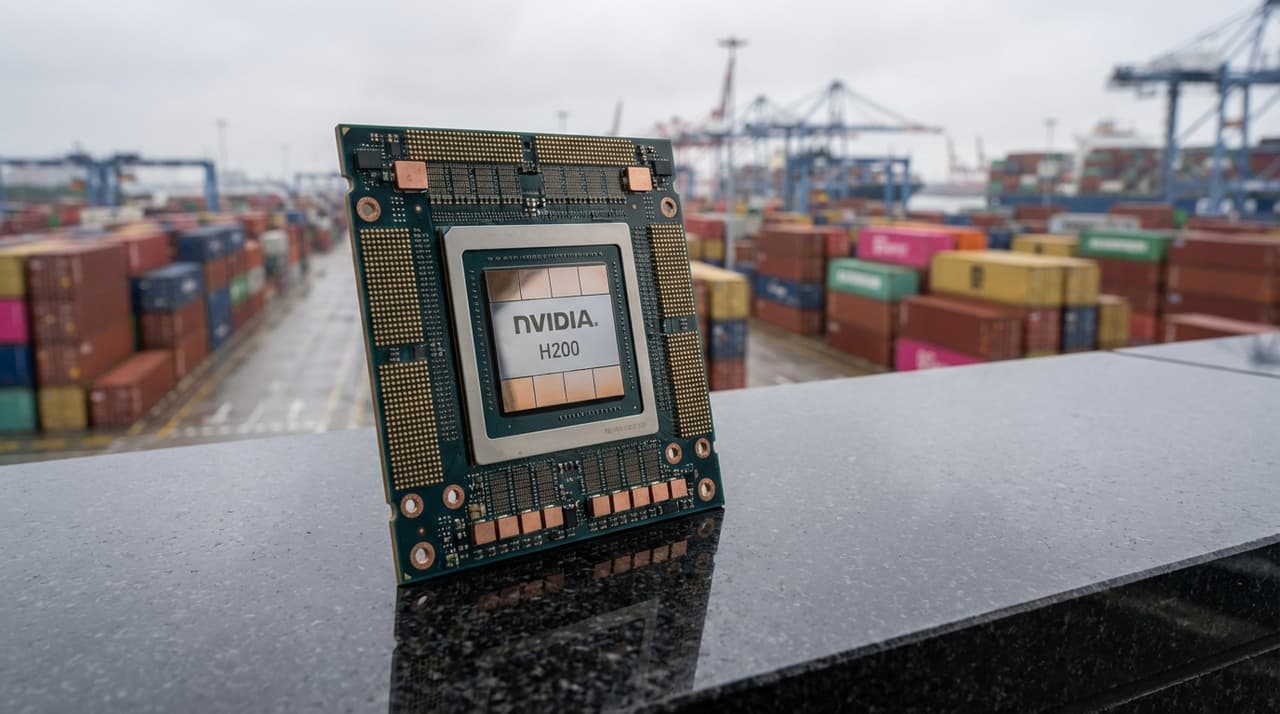
- Anthropic CEO Dario Amodei criticizes U.S. approval of Nvidia (NVDA) H200 AI chip sales to China, likening it to selling nuclear weapons to North Korea.
- China responds with customs bans on H200 imports, halting production of key components and prompting order cancellations from major tech firms.
- The move sparks bipartisan U.S. backlash amid warnings it could boost China's military AI capabilities while disrupting Nvidia's revenue recovery efforts.
Anthropic CEO Dario Amodei has sharply criticized the U.S. approval for Nvidia to sell advanced H200 AI chips to China, calling it a major security threat during an AGI panel discussion. Amodei compared the decision to selling nuclear weapons to North Korea, warning that prioritizing profit over safety is reckless. This comes amid broader backlash from lawmakers and witnesses, with the Trump administration's conditional approval—capped at 50% of U.S. domestic sales volume, subject to U.S. lab testing and a 25% tariff—facing scrutiny for potentially aiding China's military advancements.
China's customs has since blocked H200 imports, leading Nvidia suppliers to pause production of key components like PCBs to avoid losses. Reports indicate Chinese firms, including initial demand from Alibaba (BABA), ByteDance (BIDU), and Tencent (TCEHY), are canceling orders despite the chips' superior performance. According to people familiar with the matter, this disruption could cost Nvidia hundreds of millions in the short term, complicating its efforts to recapture market share after previous sales restrictions cut revenue projections by billions.
U.S. policies under Trump relaxed prior Biden-era export controls on the H200—Nvidia's second-most powerful chip—as a trade war bargaining tool, defended by OSTP director Michael Kratsios as protecting "crown jewel" tech like Blackwell while capping volumes. Bipartisan lawmakers, including Democrats like Gregory Meeks and former official Matt Pottinger, have condemned the move, arguing it undermines U.S. leadership and could "supercharge" Beijing's military AI capabilities, such as in nuclear design and logistics. In hearings, critics labeled it the "wrong path," with Amodei's comments amplifying profit-versus-safety debates in AI ethics circles.
China's response, including summoning Nvidia over security risks and promoting local alternatives like Huawei's Ascend chips, escalates tech decoupling amid broader U.S.-China trade negotiations. The 25% tariff aims to fund government revenue while maintaining Nvidia's dominance, but Beijing's push for self-sufficiency pressures firms to favor domestic options, potentially slowing Nvidia's $20+ billion China revenue opportunity. Experts warn this could erode U.S. AI leadership long-term, with analyses suggesting Trump may tighten rules if trade talks fail, forcing Nvidia to pivot to non-China markets.
Efforts to reach Nvidia for comment were unsuccessful, but sources indicate production halts are temporary as the company assesses the impact. The approval also extends to AMD (AMD) under similar rules, highlighting broader tensions in the global AI chip market. As of late 2025, Nvidia's market cap exceeds $3 trillion, driven by explosive AI demand, but this latest development underscores the volatile interplay between geopolitics and tech innovation, with stakeholders from U.S. national security experts to Chinese tech giants navigating uncertain terrain.