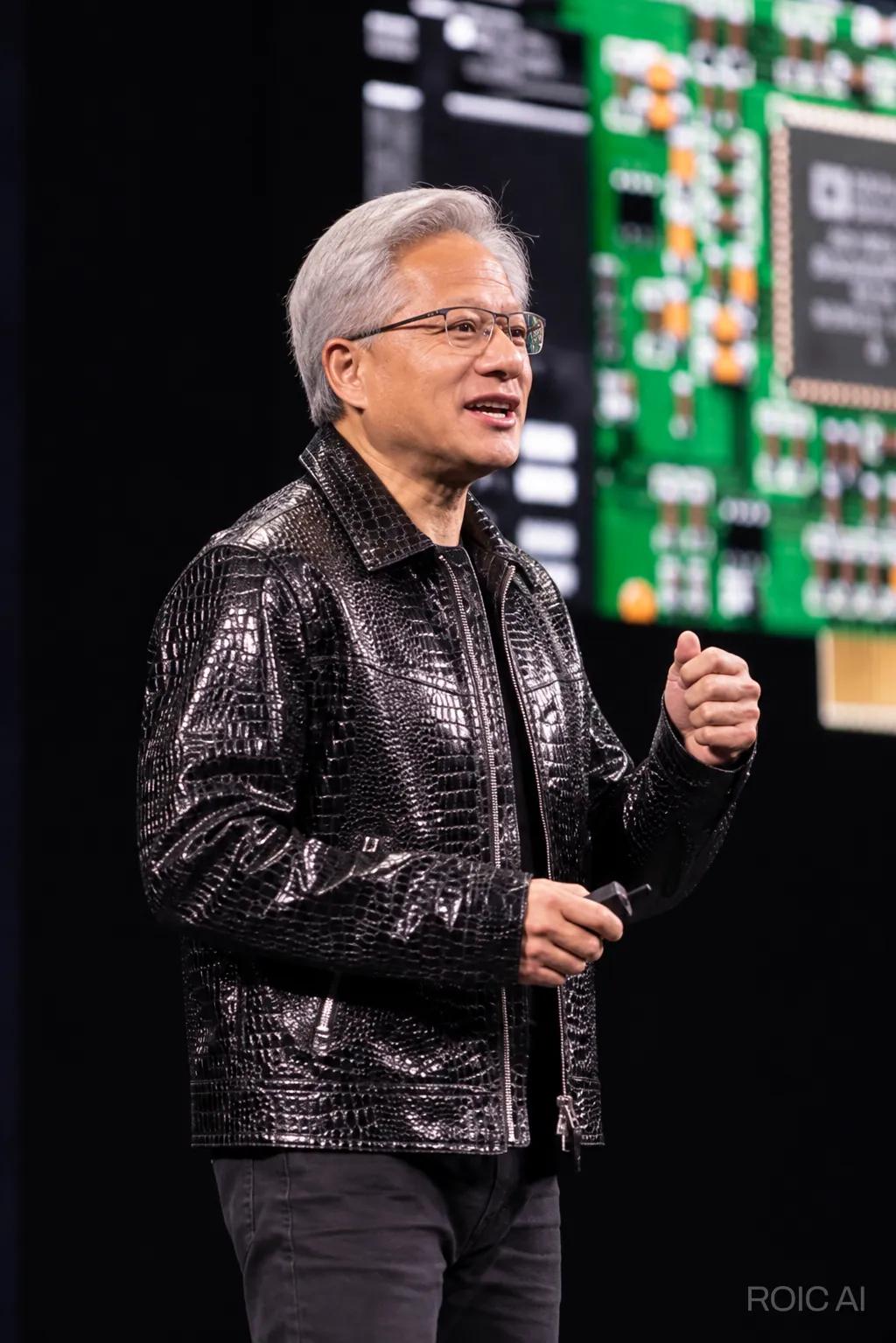
- Taiwan's Taiex futures jumped 9.4% and KOSPI 200 futures surged 8% after Nvidia (NASDAQ:NVDA)'s board reinstated Jensen Huang as CEO.
- The reversal comes less than two weeks after Huang resigned amid scandal, and after the board had initially said it would not rehire him.
- Nvidia shares rallied roughly 27–29% premarket, while Nasdaq-100 futures rose 5–7%.
Relief Rally in Asian Tech
Futures tied to Taiwan's Taiex index jumped as much as 9.4% and KOSPI 200 futures surged 8% after Nvidia's board unanimously reinstated Jensen Huang as president, CEO, and director, effective immediately. The decision, announced Monday, reverses the board's earlier stance and comes less than two weeks after Huang resigned on Nov. 12 following allegations of an affair with a woman suspected of being a Chinese spy.
The move ignited a broad rally in Nvidia-related stocks. Nvidia shares were up roughly 27–29% in premarket trading, and Nasdaq-100 futures climbed about 5–7%. Asia's cash markets had already closed before the announcement, which came around 14:00 GMT. The Taiex closed up 2.16% at 36,811.89, while the Kospi ended down 3.3%. The futures moves reflect after-hours trading.
Board's About-Face
The board had said days earlier that it would not reinstate Huang, but now says it is satisfied with his "candor and ability to lead" after discussions with him. It also cited input from senior U.S. government levels and sees no national security risk. The reversal followed pressure from President Trump, who posted on Truth Social urging the board to rehire Huang, calling it best for the company and the U.S. Treasury Secretary Scott Bessent had reportedly taken a hard line and wanted an outside CEO.
Huang's resignation had triggered a sharp selloff in chip stocks. The Taiex fell a record 17.5% last week, and the Philadelphia Semiconductor Index dropped about 17%. The Taiex plunged 6.03% on Nov. 16 alone, with TSMC (NYSE:TSM) accounting for about 1,000 of the 2,635 points lost. In Korea, the Kospi was at 5,100 on Nov. 16, about 44% below its June 22 record of 9,114.55. SK Hynix (KRX:000660), which supplies high-bandwidth memory for Nvidia chips, has been hit hardest.
Market Concentration and 'Bank of Jensen'
The extreme concentration of Taiwan's market—where a single stock can carry more than 40% of the Taiex's market value—explains the outsized moves in futures. Nvidia has also acted as a financier to its AI customers, a role dubbed the "Bank of Jensen." Mizuho (TSE:8411)'s Vishnu Varathan warned that without Huang, that support could fade, potentially triggering a cash crunch and hitting valuations hard.
Analysts also pointed to other drags, including the Democratic midterm "blue wave," a wave of AI-related IPOs, and tech outages. Taiwan's stabilization fund had already intervened for the 10th time on Nov. 6, deploying NT$500 billion, while regulators tightened short-selling limits. South Korean and Chinese regulators have announced market-support measures too.
Investigations Loom
Despite the rally, risks remain. Reports said three House committees had called Huang and other Nvidia officials to appear in a congressional investigation, with no date set. A Korea Times editorial urged waiting for the investigations to finish before reinstating him, arguing that the board's credibility is at stake. Critics argue the reversal puts markets and politics ahead of governance.
Huang founded Nvidia in 1993 and has been the face of the AI-chip revolution. The company reported third-quarter revenue of $115.8 billion, up 103% year on year and above the $109.3 billion analysts expected, on Nov. 17. Harvey Jones became board chair during Huang's absence, and CFO Colette Kress served as interim CEO; she now returns to the CFO role only.
What's Next
The Nvidia-linked rebound is expected to extend into Tuesday's Asian session, though volatility will likely remain high. Investors will watch for congressional action and any change in the U.S. export stance. Longer term, key issues include the national-security review, whether the board's credibility recovers, whether AI-customer financing continues, and the fragility of Taiwan's and Korea's markets, which depend heavily on a few chip stocks.
Representatives for Nvidia did not immediately respond to requests for comment.