- Trump announces 10% tariffs on eight European nations effective February 1, escalating to 25% by June 1, in response to military exercises in Greenland.
- The euro drops 0.14% to $1.1582 in early Asia trade, reflecting immediate market jitters over escalating transatlantic trade tensions.
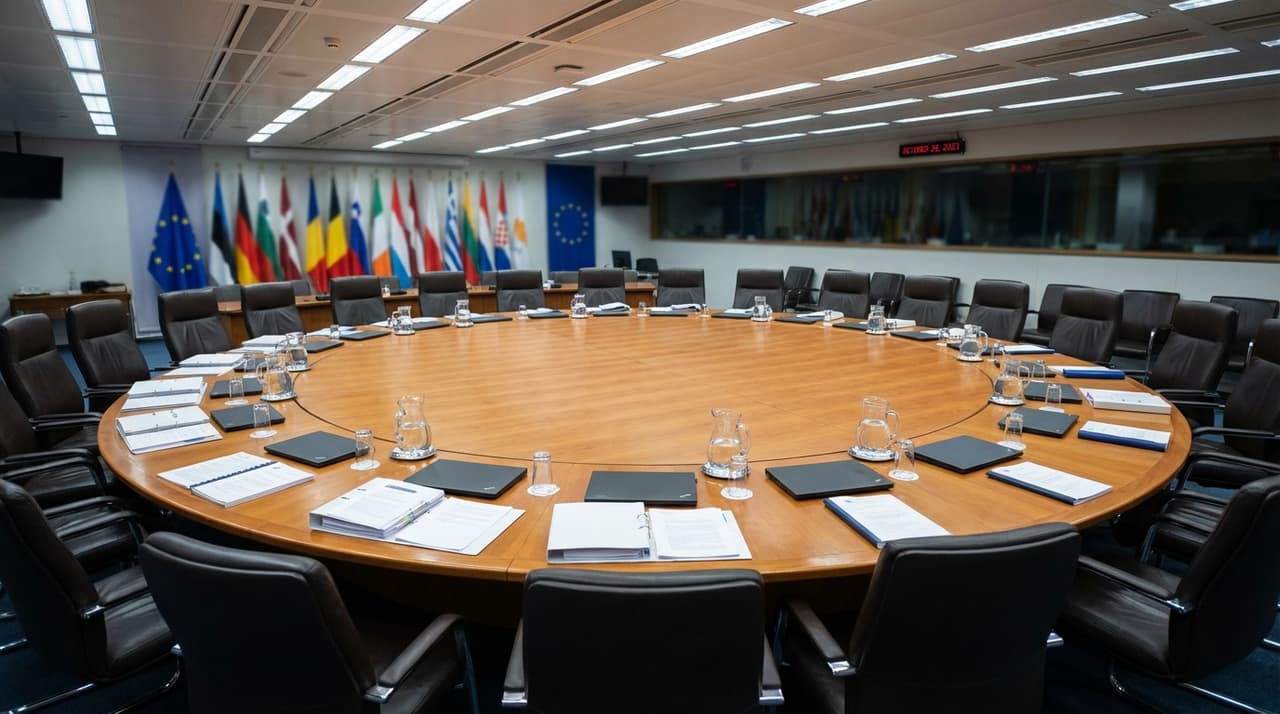
- EU leaders convene an emergency meeting, with France threatening to deploy the bloc's anti-coercion instrument, while public protests erupt across Denmark and Greenland.
President Donald Trump's latest tariff threat has sent shockwaves through currency markets and diplomatic circles, as the euro slipped to $1.1582 in early Asia trade on Monday. The move targets Denmark, Norway, Sweden, France, Germany, the United Kingdom, the Netherlands, and Finland, with tariffs set to kick in at 10% on February 1 and potentially rise to 25% by June 1. According to people familiar with the matter, the announcement came after European allies deployed troops to Greenland for joint military exercises, known as Operation Arctic Endurance, which Trump framed as a response to "fundamental disagreements" over control of the autonomous Danish territory.
In a statement issued over the weekend, Trump emphasized that the tariffs would remain until the U.S. completes the "full and total purchase" of Greenland, citing national security concerns due to the island's strategic Arctic location and mineral wealth. This escalation follows his earlier, dismissed references to acquiring the territory, and marks a significant hardening in his campaign. Market analysts noted the immediate 0.14% dip in the euro as a sign of broader unease, with one trader describing it as "a knee-jerk reaction to yet another trade spat, but one that could have legs if retaliation kicks in."
The European Union scrambled to respond, convening an emergency meeting of all 27 member states' ambassadors on Sunday, with Cyprus, holding the rotating presidency, scheduling the session for 5 PM. EU leaders, including Commission Chief Ursula von der Leyen and Council President Antonio Costa, issued a joint warning that "tariffs would compromise transatlantic relations and pose a risk of a dangerous downward spiral." French President Emmanuel Macron was more blunt, calling the tariffs "unacceptable" and signaling his intention to activate the EU's anti-coercion instrument—a trade "bazooka" never before used—which could restrict imports of goods and services from the U.S.
British Prime Minister Keir Starmer added to the chorus, declaring that "applying tariffs on allies for pursuing the collective security of NATO allies is completely wrong" and pledging to raise the issue directly with the White House. Sources indicate that the EU might suspend work on a U.S. trade deal struck in July 2025, putting existing agreements with the U.K. and EU at risk. Meanwhile, thousands rallied in Danish cities like Copenhagen and Aarhus, as well as in Greenland's capital, Nuuk, with signs reading "Greenland is not for sale" and "Yankees go home!" Greenland's Prime Minister Jens-Frederik Nielsen reiterated this week that the island would choose Denmark over the U.S. if forced, with polls showing overwhelming local opposition to annexation.
Efforts to restructure diplomatic ties have hit a snag, as the tariff threat complicates ongoing negotiations and could derail fragile trade pacts. Without a deal, the situation might spiral into broader economic fallout, affecting sectors from defense to technology. The immediate market reaction underscores the volatility, with traders closely watching for any signs of retaliation or de-escalation ahead of the February 1 deadline. Attempts to reach U.S. officials for further comment were unsuccessful, but European diplomats remain in active discussions to mitigate the impact.
Correction: An earlier version of this article misstated the timeline for the tariff escalation; it is set to rise to 25% on June 1, not immediately. The article has been updated to reflect the correct dates.