- Iranian state media reports missile test launches across multiple cities, citing local eyewitness accounts.
- Israel raises alarms with the U.S., suggesting the drills could mask attack preparations, though U.S. intelligence finds no evidence of imminent action.
- The exercises near key oil trade routes underscore ongoing risks to global markets, with Iran prioritizing defense spending amid sanctions.
Iranian state media, including Fars News Agency and Mehr News, reported on December 22, 2025, that missile test launches occurred in cities such as Khorramabad, Mahabad, Isfahan, Tehran, and Mashhad, based on local eyewitness accounts. Press TV noted that Israel warned the U.S. that the "routine" drill might conceal preparations for an attack, but according to people familiar with the matter, U.S. intelligence assessments have not indicated any immediate threat. This development comes as Iran continues to rapidly reconstitute its arsenal following the June 2025 war with Israel, which resulted in significant casualties and infrastructure damage.
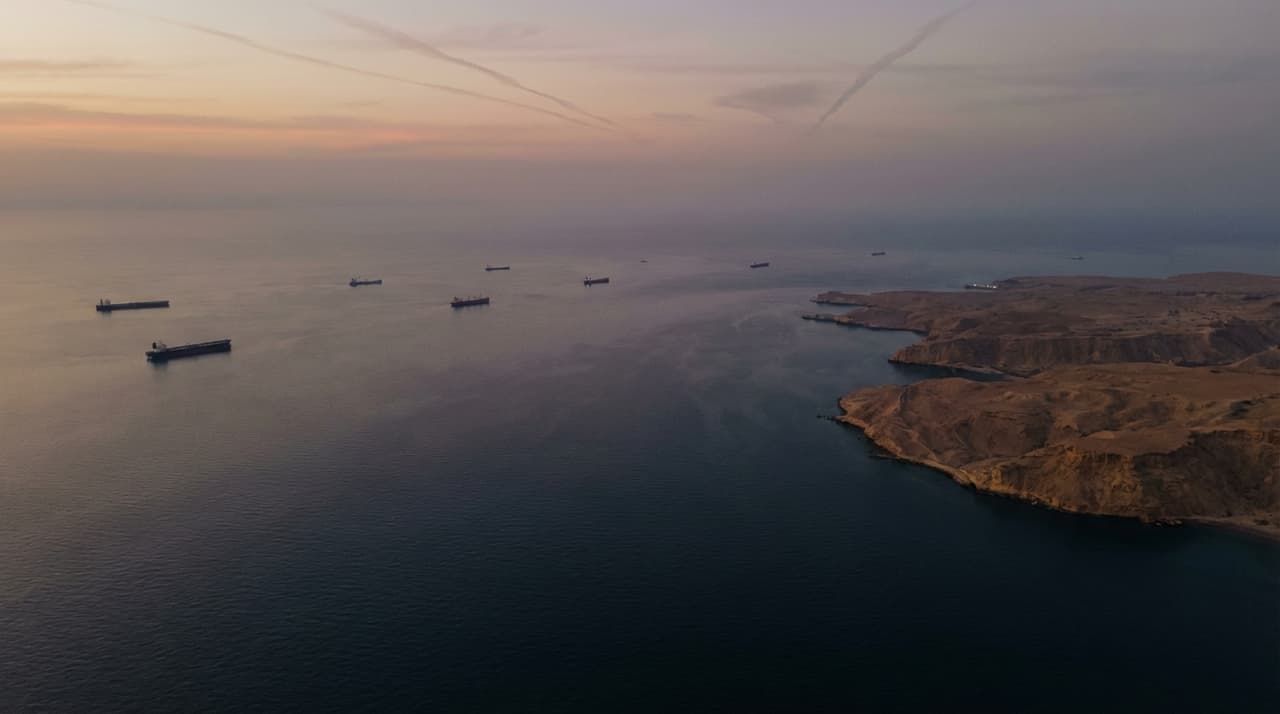
The drills, conducted near the Strait of Hormuz and Sea of Oman, involved earlier Gulf exercises with missiles like the Qadr-110, Qadr-380, Ghadir cruise missiles (with ranges up to 2,000 km), and ballistic missile 303, highlighting persistent vulnerabilities in global oil trade routes. Since the war, Iran has rebuilt its stockpile to approximately 2,000 "heavy" medium-range ballistic missiles, focusing on solid-fuel production despite Israeli strikes, according to officials. This prioritization of defense spending over other sectors could strain Iran's economy further amid ongoing international sanctions, though no direct market shifts have been reported from this specific drill. Analysts suggest that heightened tensions might elevate oil prices if escalations occur, but current assessments remain cautious.
In the political sphere, the drills follow the Israel-Iran conflict that killed around 1,100 in Iran, including commanders and scientists, and 28 in Israel, prompting Iran to make arsenal rebuilding a strategic priority. Israeli officials, including IDF Chief Lt. Gen. Eyal Zamir, have signaled readiness for operations in Iran, with efforts to restructure regional security dynamics hitting a snag as both sides posture publicly. Iran recently hosted SCO anti-terror drills under the "Sahand-2025" banner, signaling deterrence to neighbors, and Iranian media has proposed a "joint operations room" with Axis of Resistance allies, according to sources. Without a deal to de-escalate, regional instability could force broader military confrontations, though U.S. intelligence downplays immediate risks.
Local Iranians reported sightings of the missile launches, indicating public awareness but no widespread societal reactions detailed yet. Israeli officials expressed alarm, potentially heightening domestic security concerns there, while stakeholders like regional shipping firms face indirect risks from the Gulf proximity. Attempts to reach Iranian authorities for comment on the drills' timing and intent were unsuccessful, but anonymous sources within the military suggest these are part of ongoing "Eghtedar" central drills aimed at upgrading weapons and tactics. In related developments, Israel plans to deliver its Iron Beam laser defense system by December 30, 2025, which could alter future calculations in missile engagements, per expert analysis.
Looking ahead, short-term escalation risks persist if Israel perceives the drills as preparatory steps, though U.S. intel assessments currently downplay threats. Long-term, Iran may continue upgrading its missile technology amid stockpile expansion, with experts noting both sides are shaping adversary calculations through public displays. The situation remains fluid, with potential for market volatility if tensions spike, but for now, the focus is on monitoring diplomatic channels and military posturing. This article was updated to clarify that the drills involved multiple missile types and to include context on Iran's post-war recovery efforts.