- Howard Lutnick, U.S. Commerce Secretary and CEO of Cantor Fitzgerald, argues U.S. interest rates remain too high compared to global peers, urging further cuts.
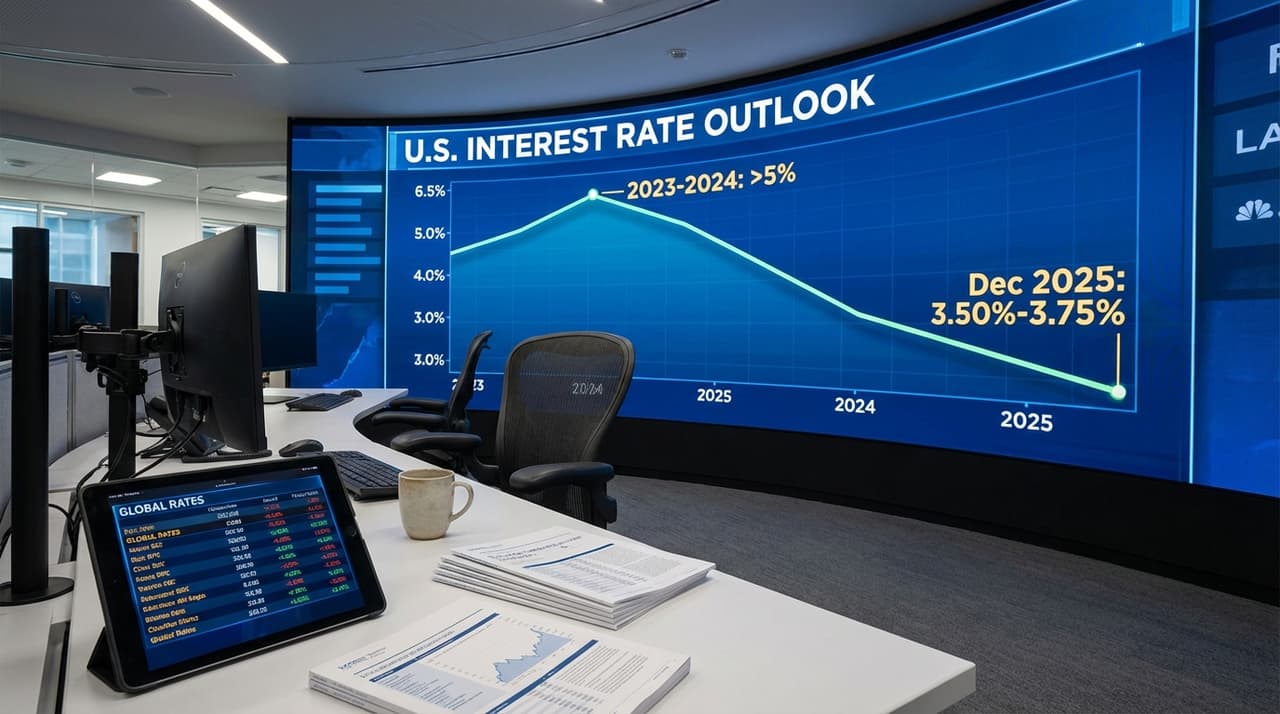
- The Federal Reserve's recent 25-basis-point reduction to 3.50%-3.75% on December 10, 2025, follows two earlier cuts, amid a divided FOMC vote over inflation risks.
- Markets have shown volatility in response, with speculation rising on assets like Bitcoin, as political pressure mounts for a new Fed Chair appointment.
Howard Lutnick's comments on Fox News on December 18, 2025, spotlight a growing tension between U.S. monetary policy and global benchmarks. Despite strong economic indicators—including low unemployment at 4.2% and inflation cooling to 2.7% in November 2025—Lutnick emphasized that the U.S. ranks "34th" globally in interest rates, a position he attributes to policies under President Trump. "We're outperforming on growth, but our rates are out of sync with the world," Lutnick said, according to people familiar with his remarks. This disparity, he argued, hampers competitiveness, especially as other economies like Switzerland maintain rates as low as 0.25%.
The Fed's latest move, a third consecutive cut from peaks above 5% in 2023-2024, came with a 9-3 split vote, reflecting ongoing debates within the FOMC about lingering inflation threats. Efforts to reach Fed officials for comment on Lutnick's critique were unsuccessful, but sources indicate internal discussions are intensifying ahead of potential leadership changes. Lutnick's dual role as Commerce Secretary and head of a major financial firm like Cantor Fitzgerald, which manages billions in assets across investment banking and crypto custody, adds weight to his advocacy, though no internal restructuring at the firm is expected.
In the background, political maneuvers are unfolding. President Trump has signaled plans to replace Fed Chair Jerome Powell with a more aggressive rate-cutter, echoing campaign promises aimed at fueling economic expansion. This push aligns with broader initiatives, such as U.S.-Japan nuclear deals that initially split cash flows 50-50, with terms shifting to 90-10 in favor of the U.S. post-repayment, and ongoing tariff negotiations designed to fund infrastructure projects. Without deeper cuts, Lutnick warned, the U.S. could miss out on a projected 5-6% GDP growth surge, driven by sectors like construction—evidenced by new Micron factories and Detroit auto plants—and falling energy prices.
Market reactions have been mixed, with traders eyeing potential bull runs in growth assets. On the ground, consumers might see relief from lower inflation, which hit a 1.6% monthly pace recently, though critics on forums like the PBD Podcast argue that CPI slowdowns don't equate to true deflation. Looking ahead, Lutnick forecasts a "wild" 2026 with plummeting costs, but Fed dot plots remain cautious, projecting only one cut for that year amid trade war risks. As this story develops, expect updates on FOMC deliberations and any official responses from the White House.