- Federal Reserve Chair Jerome Powell downplays evidence of foreign investors hedging dollar assets, despite a weaker U.S. dollar.
- The U.S. dollar index hits a four-year low, raising concerns about funding the massive U.S. deficit.
- Powell's remarks come amid political pressure, including a Justice Department investigation and pressure from the Trump administration on interest rates.
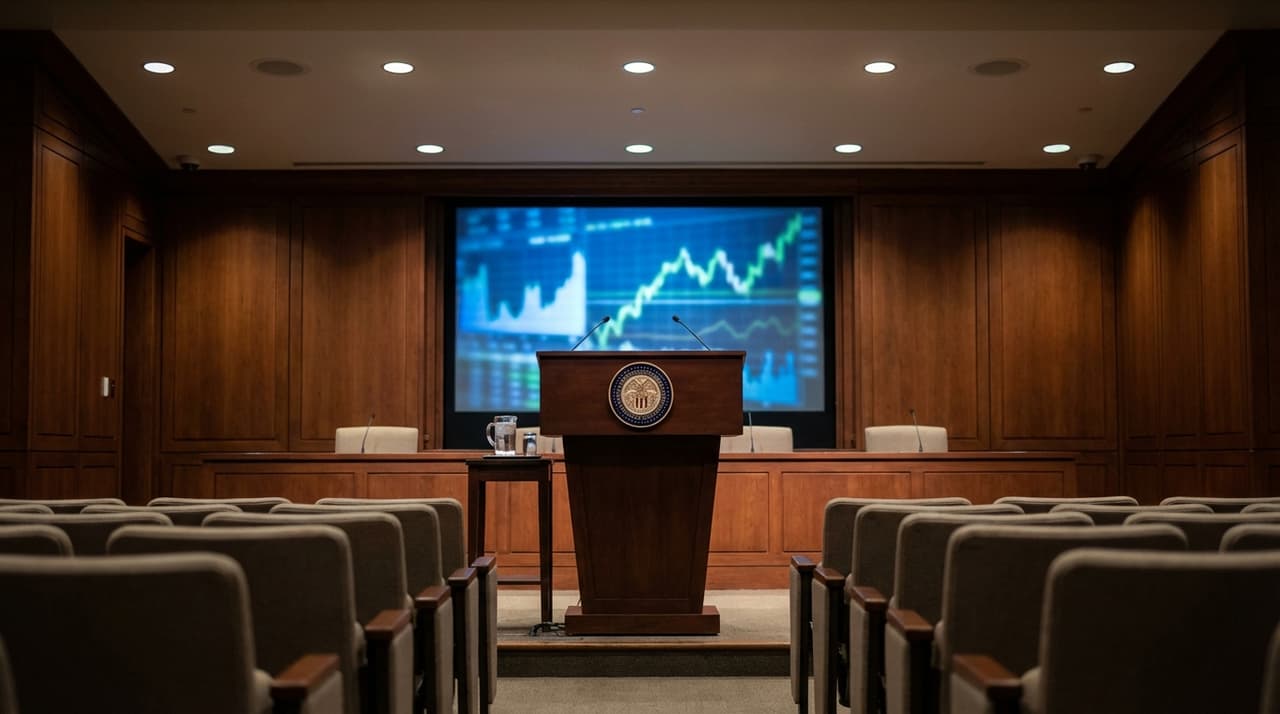
Federal Reserve Chair Jerome Powell stated there is not a lot of data suggesting foreign investors are significantly hedging their dollar assets, even as the U.S. dollar index fell to a four-year low. This comment, made during a press conference on January 28, 2026, follows the Fed's decision to maintain interest rates steady, despite the S&P 500 reaching 7,000 for the first time and ongoing political scrutiny.
A weaker U.S. dollar threatens to undermine confidence among critical foreign investors needed to fund the massive U.S. deficit, according to market analysts. Powell's dismissal of hedging concerns contrasts with broader worries about foreign investor sentiment, as confidence in the institutional framework of U.S. economic policy has long been a pillar of dollar strength. Efforts to stabilize the currency have faced headwinds, with some sources noting that without a clear policy shift, the dollar could face further pressure.
Powell's press conference occurred amid significant political pressure, including a Justice Department investigation and pressure from the Trump administration regarding interest rates. Attempts to reach Fed officials for additional comment on the hedging data were unsuccessful, but people familiar with the matter suggest internal discussions are ongoing about currency stability. Market data from the session showed the dollar index dropping below key support levels, prompting reactions from global investors.
In his remarks, Powell emphasized a focus on domestic economic indicators, but analysts warn that ignoring foreign investor behavior could risk exacerbating dollar weakness. The situation remains fluid, with negotiations over fiscal policies and international partnerships potentially influencing future currency trends. This article may be updated as more information becomes available.