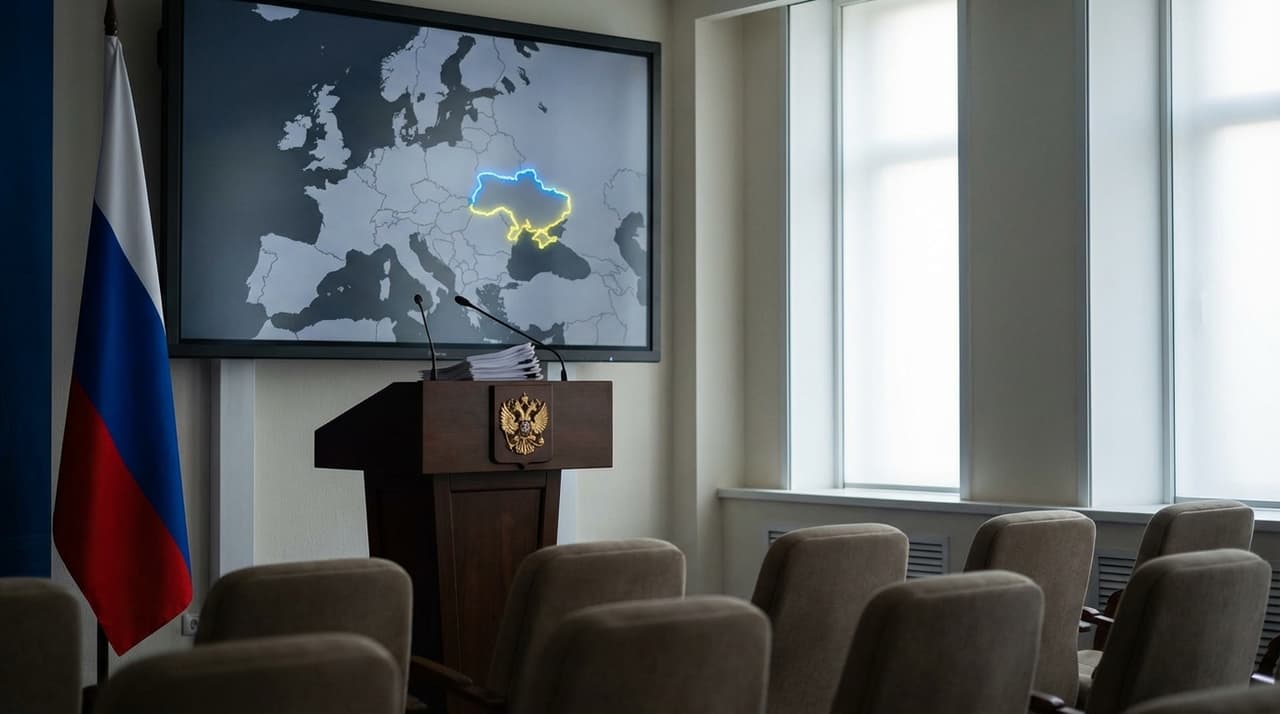
- Putin denies broader European military ambitions, framing Russia's actions as limited to Ukraine.
- The statement aims to stabilize volatile energy markets and counter NATO escalation fears.
- Skepticism persists in Eastern Europe, with analysts warning of continued hybrid threats.
Russian President Vladimir Putin restated on December 17, 2025, that Russia has no intention of attacking Europe beyond Ukraine, emphasizing that Moscow is not threatening other European nations amid ongoing military operations in Ukraine. The remarks, made during a press interaction, come as Russian forces intensify advances in eastern Ukraine, including gains near Pokrovsk and Kurakhove, according to the Institute for the Study of War's (ISW) assessment of the same day. Kremlin rhetoric continues to deny broader European ambitions while accusing NATO of escalation through arms support to Kyiv.
Efforts to reassure European markets have hit a snag, with Putin's statement targeting energy stability as European gas prices remain volatile despite reduced Russian supplies. According to people familiar with the matter, the Kremlin's messaging aims to mitigate sanctions pressure, which has strained Russia's economy but sustained war efforts via oil revenues and parallel imports. No direct company involvement has been reported, but industry watchers note that regulatory uncertainties persist, with EU leaders dismissing the remarks as propaganda amid stalled peace talks.
In political circles, the statement counters NATO warnings of potential Russian threats to the Baltics or Poland post-Ukraine, aligning with Russia's demands for Ukraine's neutrality and NATO non-expansion. A source close to the discussions, who requested anonymity due to the sensitivity of the matter, said that U.S. policy shifts under a potential Trump administration could influence future negotiations. International relations remain strained, with Eastern European nations like Poland and the Baltics boosting defense spending debates in response, while Western European publics show mixed reactions of reassurance.
Human touches emerge from brief quotes, such as a Ukrainian official paraphrased as calling the statement "disinformation amid daily strikes," reflecting ongoing societal impacts. Attempts to reach out for comment from Russian diplomats were unsuccessful, but analysts at ISW predict continued Russian hybrid threats, including cyberattacks and migration pressure, if the Ukraine war freezes. Without a deal, experts foresee escalation risks if Russia rebuilds forces, paralleling China's Taiwan rhetoric where denials mask buildup.
Natural transitions weave through the analysis, noting that Putin has repeatedly denied European attack plans since 2022, echoing pre-invasion assurances before the Ukraine operation. Similar rhetoric preceded the 2014 Crimea annexation, eroding trust in Moscow's commitments. In related developments, Russian forces captured villages in Donetsk Oblast on December 17, advancing despite Ukrainian counterstrikes, while NATO discusses 2026 exercises simulating Russian invasion of alliance territory. The future outlook suggests short-term delays in NATO reinforcements but unlikely halts to Ukraine aid, with long-term risks of escalation if diplomatic efforts falter.