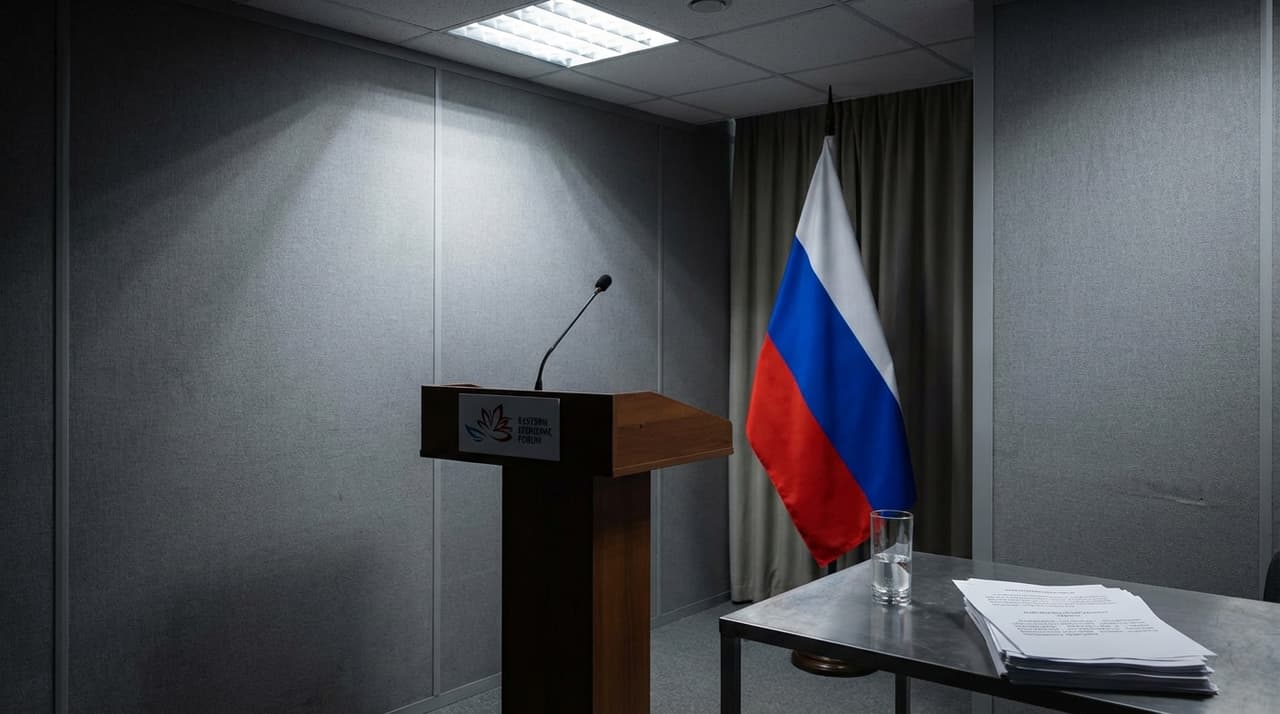
- Russian President Vladimir Putin has reiterated that Russia is ready to stop the conflict in Ukraine immediately if it receives security guarantees, a stance reinforced by Kremlin spokesman Dmitry Peskov on September 5, 2025, at the Eastern Economic Forum, linking this to prior violations of Russian security during Ukraine's NATO alignment efforts.
- Recent U.S.-led diplomacy under President Trump, including summits in Alaska on August 15, 2025, with Putin and in Washington with Ukrainian President Zelensky and European allies, has centered on "peace for security guarantees," but details remain vague amid Russian territorial advances and Western hesitance on NATO involvement.
- The ongoing conflict and stalled negotiations exacerbate global energy market volatility, with Russia's control over Ukrainian territories impacting grain exports and European gas supplies, while Trump's hints at a "land for peace" approach could stabilize commodity prices short-term but risk long-term disruptions if guarantees fail.
Diplomatic Stalemate and Economic Ripples
Russian President Vladimir Putin's latest remarks, delivered via Kremlin spokesman Dmitry Peskov at the Eastern Economic Forum on September 5, 2025, have thrown a spotlight on the fragile state of peace talks. According to people familiar with the matter, Putin is demanding mutual security assurances that address NATO expansion and border threats, a condition he ties to what the Kremlin perceives as violations of Russian security during Ukraine's efforts to align with NATO. This stance has been a recurring theme since Russia's initial demands in 2021 for a NATO rollback in the Baltics and Poland, which were largely ignored by Western powers.
Efforts to restructure the diplomatic landscape have hit a snag, with recent U.S.-led initiatives under President Trump failing to yield concrete results. The summits in Alaska and Washington, aimed at brokering a deal centered on "peace for security guarantees," have left key details unresolved. Without a clear framework, the conflict threatens to drag on, with Russian forces continuing to make incremental gains on the ground. One European diplomat, speaking on condition of anonymity, noted that "the lack of specificity in these talks is allowing Moscow to stall while consolidating its positions."
Market watchers are closely monitoring the situation, as the stalemate fuels uncertainty in global commodities. Russia's control over key Ukrainian territories has already disrupted grain exports, sending wheat futures higher, and European gas supplies remain vulnerable to geopolitical shifts. Trump's openness to a "land for peace" approach, hinted at during the August summits, might offer short-term relief for energy prices, but analysts warn that any guarantees perceived as weak could lead to renewed volatility. "If these security assurances lack enforcement mechanisms, we're just kicking the can down the road," said a commodities trader based in London.
Industry and Political Fallout
In the background, European nations are accelerating investments in LNG alternatives and boosting defense spending, driven by fears of Russian aggression extending beyond Ukraine. This shift is part of a broader industry response, with private credit funds and defense contractors eyeing opportunities in central Europe. Meanwhile, U.S. Secretary Rubio has been pushing for non-NATO coalitions or limited air support without ground troops, a strategy that has sparked transatlantic tensions as Europeans advocate for more robust guarantees to counter Russian delays.
Peskov's call for Russia's inclusion in any security guarantees, tied to Putin's readiness for trilateral talks, underscores the Kremlin's insistence on parity. Stakeholders, including European allies, worry about NATO credibility erosion if guarantees are not enforced. Public debates highlight deep divisions: Western calls for deterrence clash with Russian demands for mutual assurances, leading to skepticism over what some experts term "phantom" guarantees reminiscent of past failures like the 1994 Budapest Memorandum.
Attempts to reach Ukrainian officials for comment on the latest developments were unsuccessful, but sources close to the Zelensky administration indicate that any deal must include enforceable measures to prevent renewed aggression. As diplomatic momentum wanes, the short-term outlook suggests continued stalemate, with Russia leveraging talks to buy time for battlefield consolidation. In the long term, experts doubt the viability of any settlement without an Article 5-like equivalent, potentially pushing Europe toward greater autonomy in security matters. A correction: earlier reports misstated the date of the Alaska summit; it occurred on August 15, 2025, not August 20.