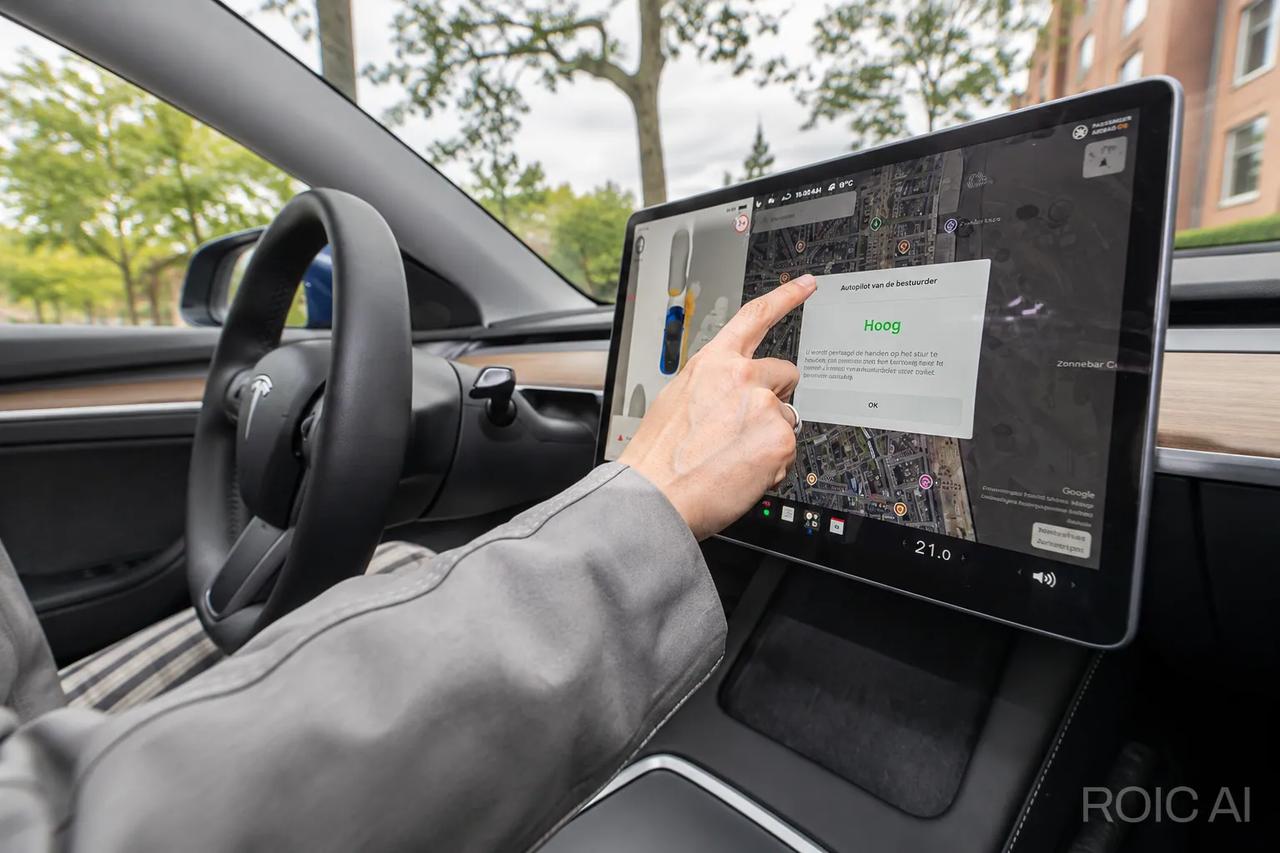
- JPMorgan (NYSE:JPM) analyst Rajat Gupta reiterated a Neutral rating on Tesla (NASDAQ:TSLA) as the company began rolling out FSD (Supervised) v15, which features a redesigned AI architecture shared across FSD, Robotaxi, and Optimus.
- Tesla claims a 25-fold improvement in handling safety-critical scenarios, though the methodology remains undisclosed, and broader availability is expected in December.
- The release reinforces Tesla's lead in consumer autonomy over rivals like Rivian (NASDAQ:RIVN), Ford (NYSE:F), and GM (NYSE:GM), and improved compute efficiency could reduce the need for near-term AI5 hardware upgrades.
JPMorgan Maintains Neutral Stance
JPMorgan analyst Rajat Gupta reiterated a Neutral rating on Tesla as the electric vehicle maker began rolling out its latest full self-driving software, FSD (Supervised) v15. The update introduces a redesigned AI architecture that is shared across Tesla's FSD, Robotaxi, and Optimus humanoid robot programs, marking a significant step toward greater autonomy.
The v15 release includes improved navigation and Tesla Reality View, and the company claims a 25-fold improvement in handling safety-critical scenarios. However, Tesla has not disclosed what the 25-fold figure is measured against or how it defines a critical intervention, leaving the claim unverified. JPMorgan noted that the release reinforces Tesla's lead in consumer autonomy over competitors such as Rivian, Ford, and GM, and that improved compute efficiency could reduce the need for near-term AI5 hardware upgrades.
Rollout and Availability
Tesla began sending FSD v15.0.1 to members of its Early Access Program on November 21, with broader availability expected in December as part of the Holiday Update. The release notes credit an upgraded vision encoder, trained on millions of internet videos, which Tesla says improves the critical intervention rate. The shared architecture across FSD, Robotaxi, and Optimus underscores Tesla's vertical integration of software, manufacturing, and compute.
According to JPMorgan, Tesla's robotaxi network is projected to match Waymo (NASDAQ:GOOGL)'s U.S. autonomous mileage in the second half of 2027 with about 18,000 vehicles. The company has prioritized scaling up its Cybercab over adding more Model Y robotaxis, and Tesla has told JPMorgan that Optimus could reach outside buyers in the second half of 2027.
Unverified Safety Claims and Regulatory Hurdles
The 25-fold improvement claim has drawn scrutiny from skeptics who want the methodology disclosed. Tesla's Phil Duan noted that the gain is difficult to notice on a single drive and would only become apparent over millions of miles. The release remains "Supervised," requiring drivers to stay attentive, and international expansion faces regulatory hurdles: South Korea recently declined Tesla's FSD exemption request, citing insufficient documentation.
JPMorgan's Neutral rating, with a $430 price target (down from about $445 in August), suggests the autonomy upside is largely priced in or not yet proven. Tesla's Q3 2026 results showed adjusted EPS of $0.48, beating consensus of $0.45, on revenue of $28.05 billion. Paid FSD customers grew 67% to 1.74 million, and more than 75% of North American deliveries included paid FSD sign-ups. Tesla did not respond to a request for comment on the v15 rollout or the safety claims.