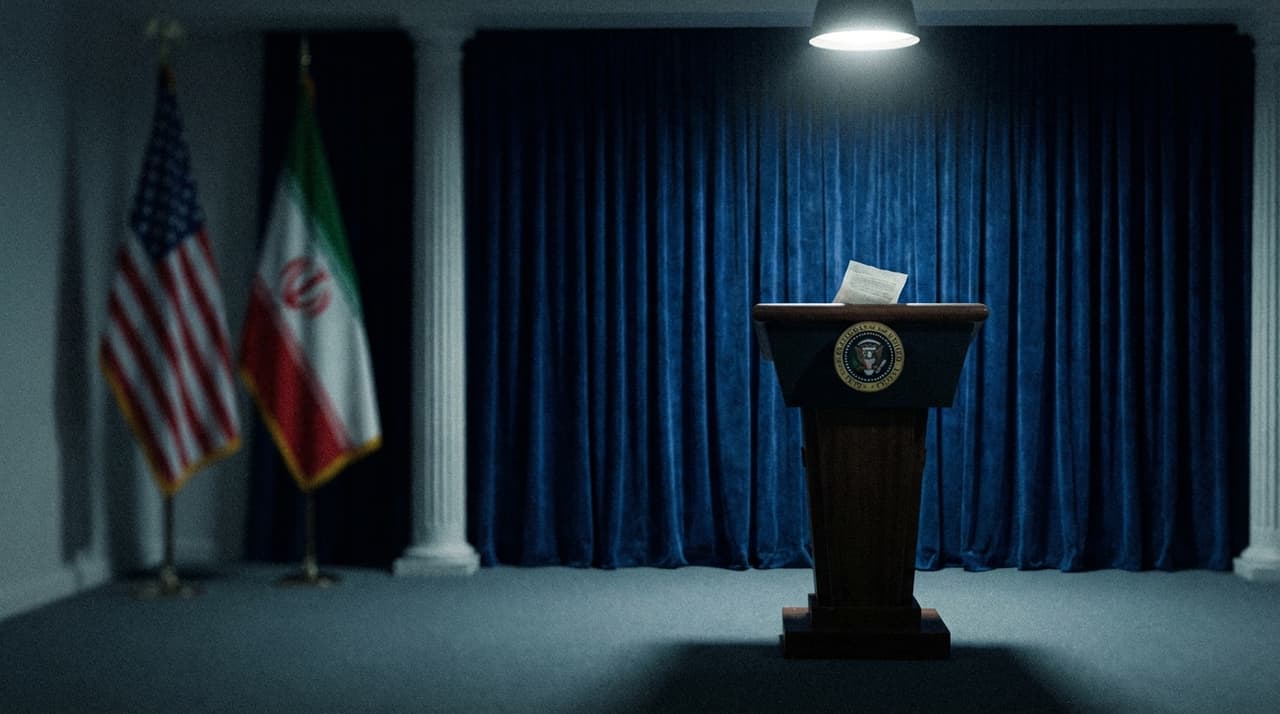
- US President Donald Trump announces unverified assurances from Iran that killings of protesters have stopped and around 800 planned executions were halted.
- Iranian Foreign Minister Abbas Araghchi denies any such execution plans, calling Trump's claims baseless, while one scheduled execution of protester Erfan Soltani was reported canceled.
- The situation unfolds amid deadly protests in Iran, with rights groups reporting thousands of deaths and arrests, and Trump hinting at military options if executions resume.
Latest Developments
In a statement on January 14, 2026, President Trump revealed that he received assurances from sources in Iran that the killings of protesters have ceased and approximately 800 planned executions of detainees were halted. However, the White House has not independently verified these claims, with Trump himself labeling it "good news" but cautioning that compliance is being monitored. According to people familiar with the matter, the information came through backchannel communications, though specifics remain confidential.
Iranian officials have swiftly pushed back. Foreign Minister Abbas Araghchi, in an interview with Fox News, stated "no hanging today or tomorrow" and "no plan for hanging," directly contradicting Trump's announcement. Meanwhile, local reports indicate that the scheduled execution of Erfan Soltani, a protester, was canceled, adding a layer of confusion to the narrative. Efforts to reach Iranian judiciary representatives for comment were unsuccessful.
Protests erupted across Iran's 31 provinces in late December 2025, driven by economic collapse and demands for regime change. Security forces responded with a 144-hour internet blackout, arrests of over 10,000 to 18,000 people, and killings that rights groups like HRANA, Iran Human Rights, and Amnesty International estimate at 2,571 to 3,428. Iran disputes these figures, claiming control after what it calls "terrorist operations." The judiciary head, Gholamhossein Mohseni-Ejei, had vowed fast-track trials and executions for charges such as "waging war against God," making Trump's statement a potential diplomatic pivot.
Political and Market Implications
Trump's announcement comes amid heightened tensions, with the President warning of aid to protesters, canceling meetings with Iranian officials, and imposing a 25% tariff on countries doing business with Iran. He has also hinted at military options, moving a Pentagon carrier strike group toward the Middle East as a show of force. Senior US officials view Trump's remarks as a diplomatic "off-ramp" that could avert short-term strikes, according to sources briefed on the discussions.
Iran has defied these threats, citing its June 2025 strike on Qatar's Al Udeid base as proof of retaliation capability. G7 nations have threatened further sanctions in response to the crackdown, but the immediate focus is on whether executions will resume. If they do, analysts suggest it could trigger escalated US-Iran tensions, potentially impacting oil markets and regional stability. For now, protests appear smothered, but the risk of reignition remains high given the underlying economic grievances.
Human and Societal Impact
The crackdown has been described by Amnesty International as "unprecedented brutality," with the Institute for the Study of War noting suppression via morgues filled with bodies. Families are traumatized amid funerals for over 100 security "martyrs," while detained protesters face capital charges in a climate stifled by blackouts and over 1,100 serious injuries. Overseas rights groups report a sharp decline in protests, but Iranian officials claim calm, distinguishing violent "riots" from acceptable cost-of-living demonstrations.
This unrest exceeds deaths from any since Iran's 1979 Islamic Revolution, surpassing prior waves like cost-of-living protests. The pattern of harsh repression under internet blackouts and vows of swift capital punishment continues, but Trump's intervention introduces uncertainty. As one analyst put it, "The stakes are incredibly high—any misstep could spiral into broader conflict."
Correction: An earlier version misstated the number of provinces in Iran; it is 31, not 32.