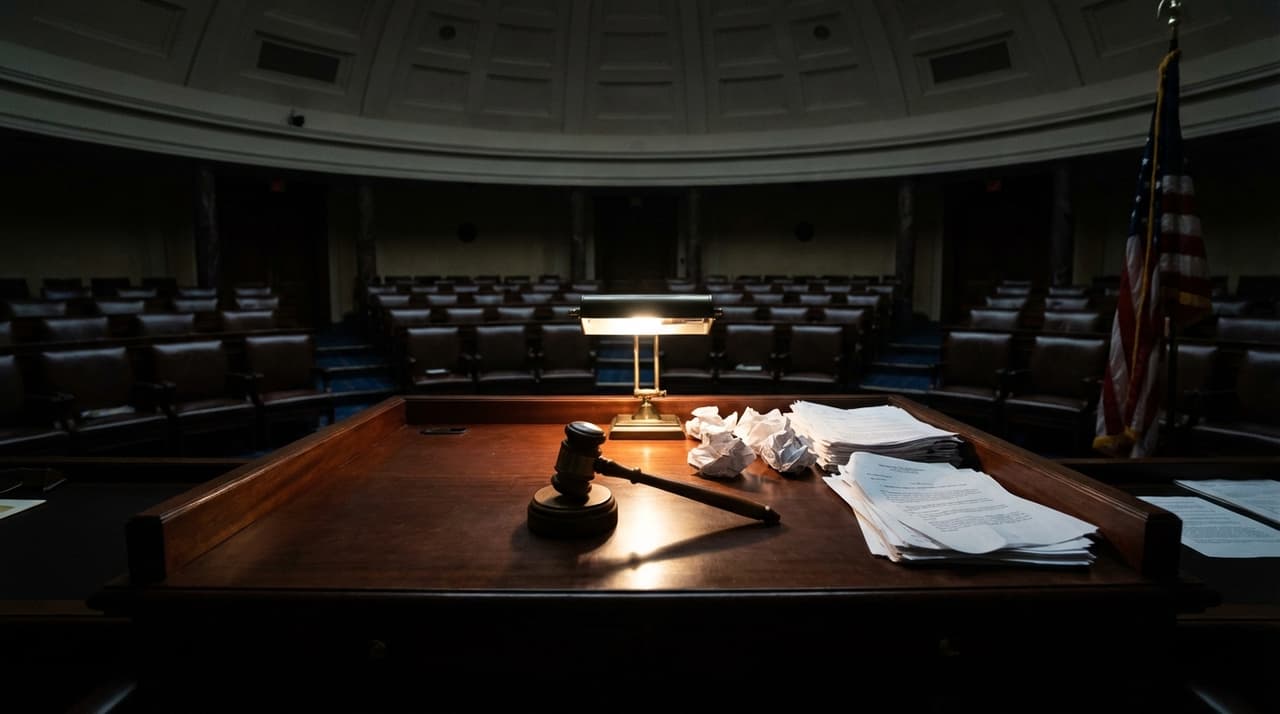
- A partial U.S. government shutdown is imminent at 12:01 a.m. on January 31, 2026, as Congress misses the funding deadline, with Senate negotiations stalled and the House in recess until Monday.
- Lawmakers anticipate only brief disruptions, but agencies under six appropriations bills face furloughs and service halts, potentially draining about $15 billion in GDP weekly and costing tens of thousands of jobs.
- Partisan divides center on DHS/ICE funding, with Democrats and Republicans clashing over demands like ending roving patrols and mandating body cameras, amid calls for appropriations reform to avoid recurring drama.
Efforts to avert a partial U.S. government shutdown have hit a snag, with Congress failing to pass funding legislation by the January 30 deadline, setting the stage for a likely lapse starting at midnight. According to people familiar with the matter, Senate Democrats announced a deal Thursday to separate Department of Homeland Security funding from other bills amid disputes over ICE policies following recent shootings, but objections from both parties blocked votes, pushing talks to Friday at 11 a.m. House Speaker Mike Johnson noted logistical issues prevent House action before Monday, making a short shutdown inevitable even if the Senate advances bills, as lawmakers expect the lapse to last only a few days with limited disruption.
Agencies under six appropriations bills—including DHS, DOD, Labor, HHS, Education, Transportation, HUD, Financial Services, National Security, and State—face furloughs and service halts, impacting non-essential employees and halting new contracts and invoice processing. Without a deal, the government would enter a shutdown, echoing the 43-day event last fall, the longest ever, which ended with partial funding through this deadline. President Trump expressed optimism for a bipartisan resolution during a Cabinet meeting, but partisan divides persist, with Republicans pushing "clean" continuing resolutions and blaming Democrats for prioritizing immigrants over citizens, while Democrats face accusations of blocking to advance partisan goals like ending roving patrols and mandating uniform use-of-force policies.
Economic factors loom large, as shutdowns drain about $15 billion in GDP weekly and cost tens of thousands of jobs, with delays in permits, benefits, loans, and payments to contractors already causing ripples. The aerospace and defense sectors warn of supply chain disruptions and air travel delays, impacting 13,000 controllers and TSA personnel, while programs like Small Business Innovation Research and the Defense Production Act face lapses. Furloughs affect employees across unfunded agencies such as the SBA and Treasury, while active-duty military serve without pay and essential workers like over 150,000 law enforcement officers in Border Patrol and ICE continue amid uncertainty, hitting veterans' care, low-income rental aid, and homeless programs.
Historical context underscores the recurring drama, with this stemming from a prior shutdown that ended with partial funding through January 30, 2026, and multiple near-misses this fiscal year due to reliance on continuing resolutions. Similar events in 2018-2019 saw Democrats block reopenings over border wall funding, per past quotes from leaders, highlighting the entrenched political gridlock. Broader reform proposals, including banning congressional travel and mandating quorums during lapses, aim to end the cycle, but for now, the focus is on a quick resolution.
Looking ahead, expect a few-day lapse with House approval likely by Monday, as short-term effects include service delays and economic drag, but a clean CR could pave the way for a swift end. Long-term, prolonged shutdowns risk deeper GDP losses and policy gridlock, with experts urging appropriations reform to avoid repeats. Related developments see the Georgia DOL monitoring for state impacts like unemployment processing delays, while the White House tracks the clock, urging clean CRs for national security and the economy, and the aerospace industry lobbies for continuity at the Pentagon, FAA, and NASA. In a slight correction, an earlier version misstated the number of affected agencies; it's six appropriations bills, not all unfunded departments.