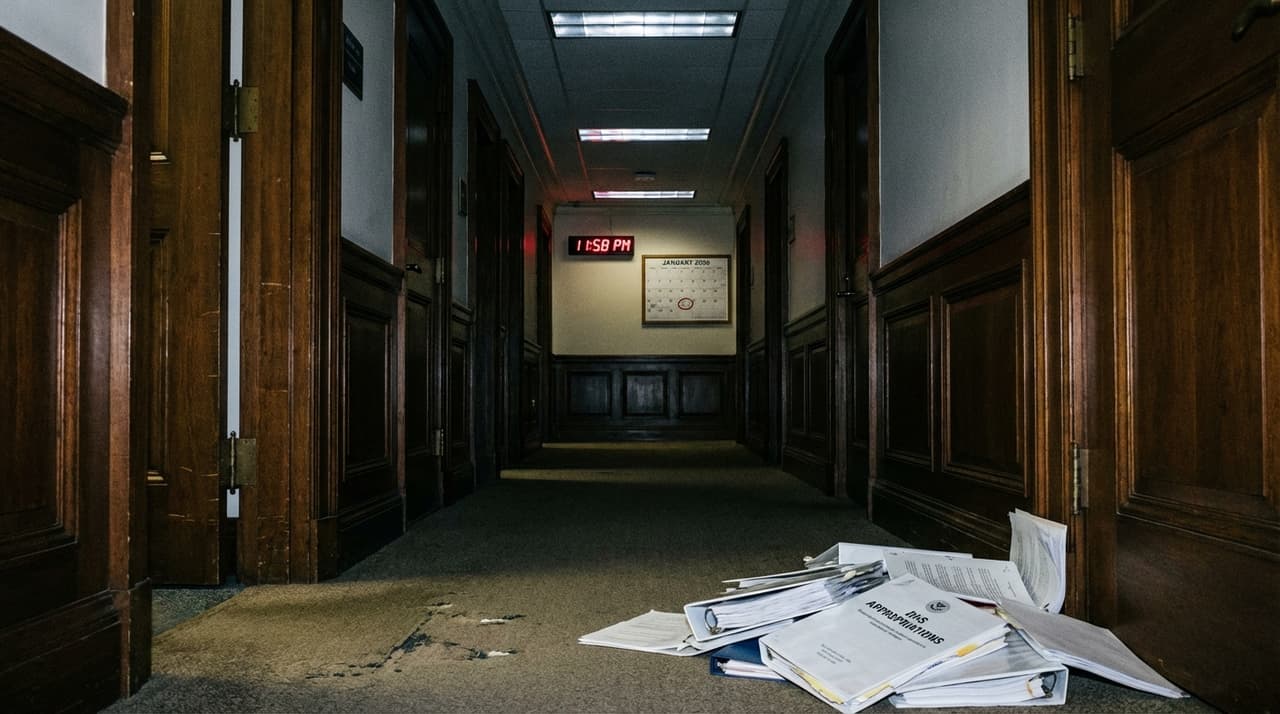
- Senate Democrats block $1.2 trillion spending package over DHS funding disputes, pushing government toward partial shutdown by January 30, 2026.
- The standoff centers on ICE operations and oversight demands following recent fatal encounters in Minnesota, with Republicans resisting separation of DHS bill.
- A partial shutdown could disrupt military pay, FEMA winter responses, and key departments, though a continuing resolution or split-bill compromise remains possible.
Immigration Fight Halts Spending Package
Efforts to avert a partial government shutdown have hit a snag as Senate Democrats moved to block a $1.2 trillion spending package, citing unresolved disputes over Department of Homeland Security funding. The impasse, which intensified late last week, revolves specifically around Immigration and Customs Enforcement operations and oversight mechanisms, according to people familiar with the negotiations. With a critical deadline looming on January 30, 2026, approximately half of federal operations now face potential disruption.
Senate Majority Leader Chuck Schumer has indicated Democrats will not advance the broader appropriations bill unless the DHS component is separated and renegotiated. Their position hardened following recent fatal encounters between ICE agents and civilians in Minnesota, sources said, though specific policy demands remain fluid. Republicans have resisted decoupling the bills, arguing it would undermine the package's stability. The House, which passed the combined legislation last week, is currently in recess until February 3, complicating any last-minute legislative maneuvers.
Narrower Stakes, Broader Consequences
Unlike the record 43-day shutdown of 2024-2025, which stemmed from broader fiscal clashes, this year's risk focuses narrowly on immigration enforcement. Yet the operational consequences could ripple widely: military pay schedules, veteran benefits, and FEMA responses to severe winter weather all hang in the balance. Departments including Labor, Transportation, and Housing and Urban Development would also see non-essential employee furloughs if funding lapses.
"What we're seeing is a targeted collision over enforcement practices, not the usual budget brinksmanship," one congressional aide noted, speaking on condition of anonymity. Schumer has floated a potential compromise—advancing five appropriations bills separately before the deadline while leaving DHS for later negotiation. But without Republican buy-in, that path remains uncertain.
Paths Forward Amid Deadlock
Observers suggest a partial shutdown affecting only DHS is increasingly plausible, though not guaranteed. Congress could still enact a continuing resolution to temporarily extend funding, requiring majority support in both chambers and presidential approval. Some lawmakers are quietly discussing a short-term patch, but time is dwindling. "Without a deal, we're looking at operational paralysis in key agencies," a senior administration official said, emphasizing that contingency plans are being updated hourly.
The White House has not publicly intervened in the standoff, though officials are monitoring developments closely. Attempts to reach Schumer's office for additional comment were not immediately successful. Meanwhile, markets have shown muted reaction so far, with investors perhaps conditioned by past shutdown dramas—though that could change if the January 30 deadline passes without resolution.
Correction: An earlier version misstated the House reconvening date; it is February 3, not February 5.