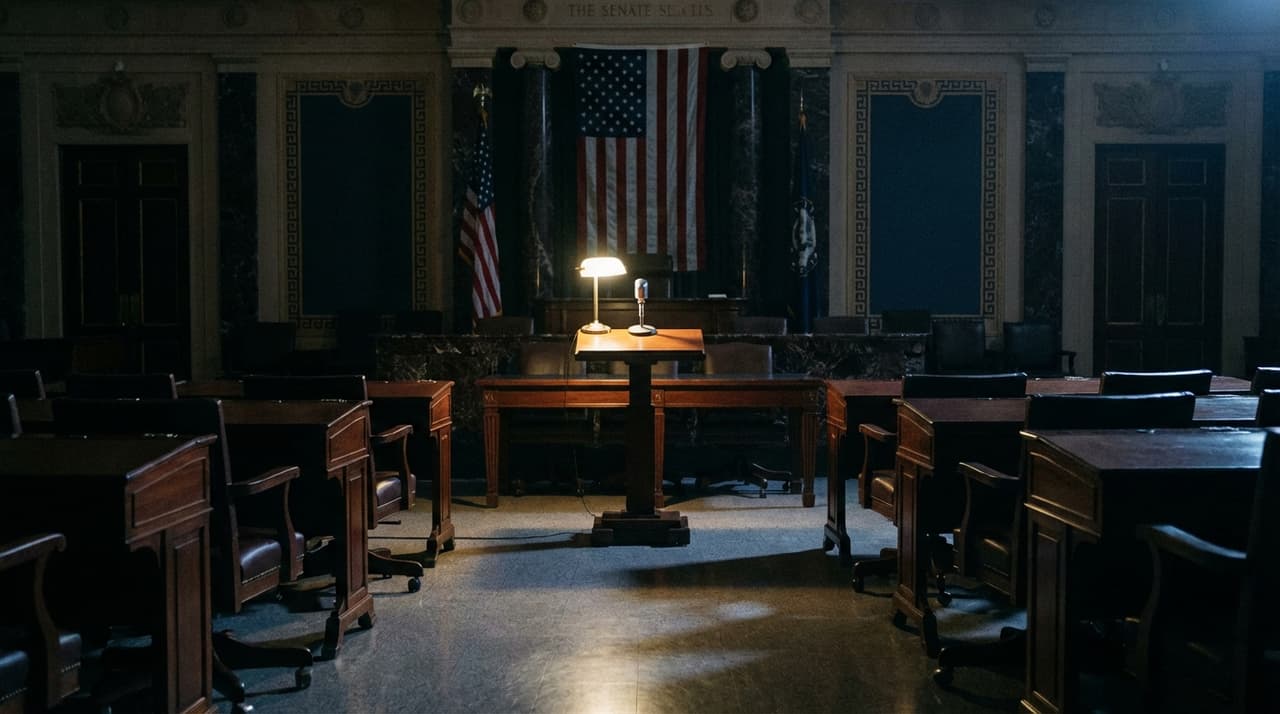
- Senate Democrats and White House agree to fund most agencies through September 2026, with two-week stopgap for DHS amid reform negotiations
- Partial shutdown expected through weekend as funding lapses for unfunded agencies starting midnight Friday
- Political impasse triggered by January 24 fatal shooting by Border Patrol agents, prompting Democratic demands for immigration enforcement reforms
Funding Deal Reached Amid Political Standoff
In a late Thursday development, Senate Democrats and the White House reached an agreement to fund most federal agencies through September 30, 2026, while providing a two-week stopgap for the Department of Homeland Security. The deal covers five spending bills for Defense, Labor, Health and Human Services, Education, Transportation, Housing and Urban Development, State, Treasury, and related agencies, according to people familiar with the negotiations.
Despite this breakthrough, a partial government shutdown appears inevitable through the weekend. With the House in recess until Monday and funding set to lapse at midnight Friday for unfunded agencies, non-essential services at major departments including DHS, DOD, Labor, HHS, Education, Treasury, Transportation, and State will halt. Federal employees at affected agencies face furloughs, with instructions to avoid even checking email to prevent pay issues, while contractors anticipate facility closures and payment delays that could disrupt cash flow and project timelines.
Political Dynamics and Reform Demands
The impasse stems from partisan divides over DHS funding, triggered by the January 24 fatal shooting of American citizen Alex Pretti by Border Patrol agents. This incident prompted Democratic demands for reforms including mask removal requirements, body camera implementation, third-party warrants, ending ICE roving patrols in cities, and uniform use-of-force restrictions—elements now being negotiated into the two-week DHS extension.
President Trump engaged directly with Democrats, posting on Truth Social for a "Bipartisan 'YES' Vote," while eight Senate Republicans joined Democrats to block the initial bill. A prior Senate vote failed due to these Democratic demands, but the new deal advances despite the House recess. "We're working through the night to get this resolved," said one Senate aide who requested anonymity to discuss sensitive negotiations.
Economic and Operational Impacts
While half the government remains funded from prior bills—including Agriculture, Legislative Branch, Military Construction, Veterans Affairs, Commerce-Justice-Science, Energy-Water, and Interior-Environment—the partial shutdown will still disrupt federal operations. The Office of Management and Budget may avert full shutdown procedures if a signing appears imminent, as occurred during brief 2018 funding lapses managed as "technical" to minimize confusion.
This situation echoes the 43-day 2025 shutdown's widespread disruptions, which ended with short-term funding through January 30. President Trump highlighted economic effects in urging bipartisan support, noting that "even partial disruptions hurt American workers and businesses." Federal contractors are particularly vulnerable, facing delayed contract awards and approvals that could impact quarterly earnings for companies with significant government business.
Path Forward and Reform Negotiations
With the Senate voting imminently and House action scheduled for Monday, the two-week DHS funding window enables continued reform talks aimed at achieving full-year appropriations. Experts note persistent partisan risks but suggest presidential involvement typically reduces shutdown duration. "The two-week extension gives us breathing room to address legitimate concerns about accountability while maintaining border security," said a Democratic staffer involved in the negotiations.
Attempts to reach DHS officials for comment on the reform proposals were unsuccessful late Thursday. The broader FY2026 funding remains patchwork, with six of twelve appropriations bills unresolved after partial funding last fall following the record 43-day shutdown. This marks the second deadly ICE shooting of a citizen to trigger funding disputes, highlighting ongoing tensions around immigration enforcement practices.
Correction: An earlier version of this article misstated the number of Senate Republicans who joined Democrats to block the initial bill. Eight Republicans, not seven, voted against the procedural motion.