- Negotiations show progress to avert a partial government shutdown over DHS funding, but no firm deal exists yet, with a short-term shutdown still likely.
- A prolonged shutdown risks disruptions to national security, air travel, aerospace and defense supply chains, and programs like Small Business Innovation Research, according to industry groups.
- Democrats demand separating DHS funding to enable reforms spurred by recent fatalities involving immigration enforcement officers, while Republicans push for a "clean" resolution without what they call "leftist priorities."
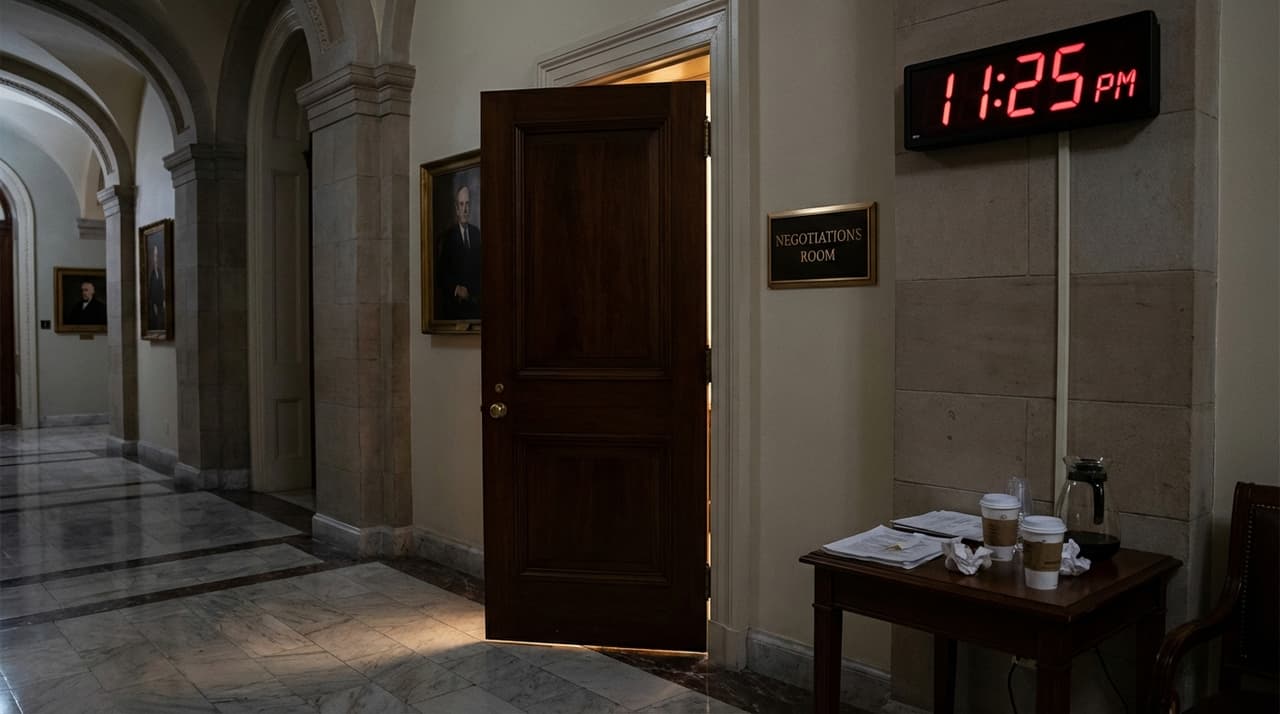
Efforts to avert a partial government shutdown are gaining traction, but the path forward remains fraught with uncertainty. With a deadline set for midnight Friday, negotiations between the White House and Senate Democrats have shown signs of progress, according to people familiar with the matter, though no firm agreement has been reached. The impasse centers on Department of Homeland Security funding, with Democrats insisting it be separated from other bills to address reforms following recent deaths involving immigration enforcement officers.
A Senate test vote is scheduled for Thursday at 11:30 a.m. on a larger funding package, which Democrats plan to block without modifications. Even if a deal is struck, a short-term shutdown appears probable, as any changes would require approval from the House, adding another layer of complexity to the timeline. The White House has urged a "clean" continuing resolution to sustain operations, criticizing Democrats for blocking progress amid priorities like border security. In contrast, Senate Democrats have expressed optimism about finding common ground, but sources caution that the situation remains fluid.
Industry stakeholders are sounding alarms about the potential fallout. A prolonged shutdown could disrupt national security functions, air travel, and critical supply chains in aerospace and defense, per groups like the Aerospace Industries Association. Programs such as the Small Business Innovation Research, Cybersecurity Information Sharing Act, and Defense Production Act face immediate threats, jeopardizing economic continuity for agencies like the FAA and NASA. "We need a clean CR to prevent broader reverberations," one industry representative said, echoing calls from organizations like Airports Council International to prioritize people over politics.
Political tensions are running high, with Democrats demanding reforms like ending roving patrols, aligning federal agent use-of-force policies with local law enforcement, banning masks, and mandating body cameras. These measures are spurred by fatalities including Renee Good and Alex Pretti, adding urgency to the negotiations. Republicans, who require at least seven Democratic Senate votes for a continuing resolution, have pushed back against what they label partisan demands. Public polling shows 61% of Americans view shutdowns as harming Congress's effectiveness, with advocates emphasizing impacts on women, children, and businesses over what they call partisan games.
Historical context looms large, as this dispute echoes past shutdowns, such as the 2018-2019 standoff and October 2025 brinkmanship. Current talks have intensified amid ongoing fiscal year 2026 appropriations delays, with stakeholders warning that recurring disruptions could undermine long-term stability. In the short term, a temporary DHS funding extension via a short-term bill might allow for further policy discussions, but House passage remains a hurdle. As the clock ticks down, all eyes are on Thursday's test vote and whether concessions can bridge the divide before the midnight deadline.
This article was updated to clarify the timing of the Senate test vote and the specific industry groups cited.