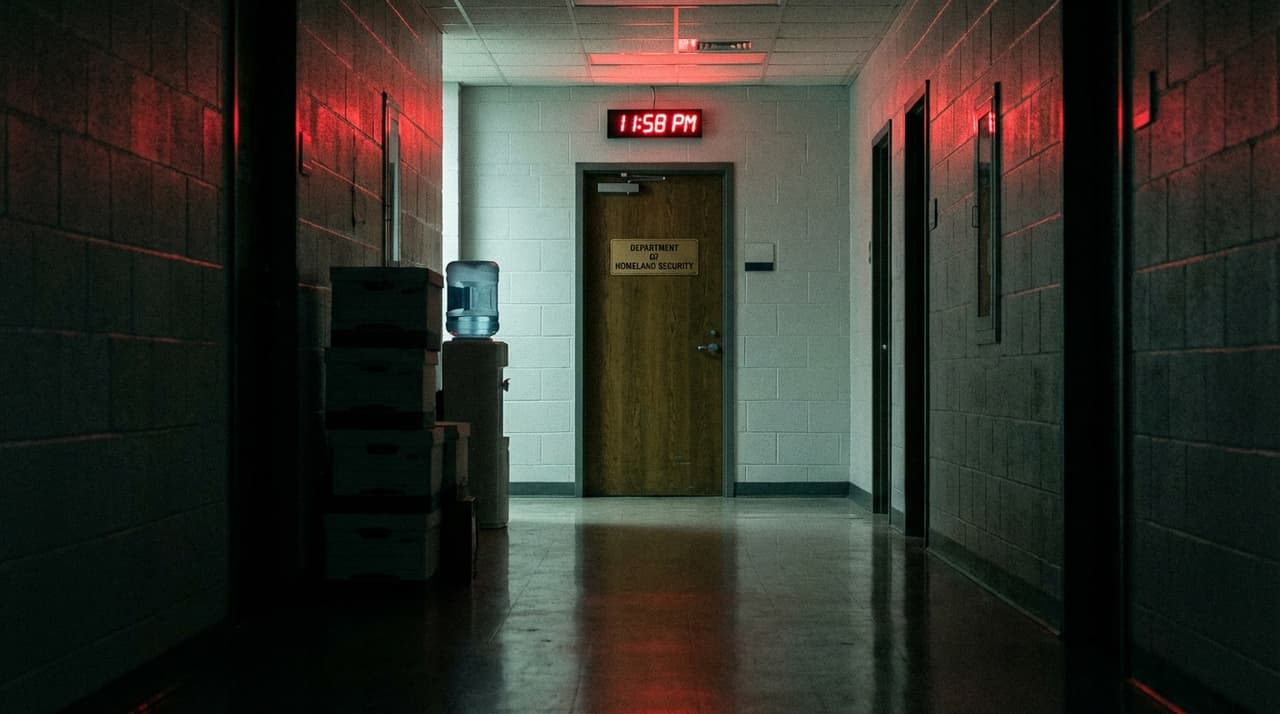
- A partial government shutdown is imminent as of Saturday, January 31, with agencies funded only through January 30 facing closure.
- The deadlock stems from Democratic demands to renegotiate Homeland Security Department funding following the fatal shooting of Alex Pretti in Minnesota.
- Treasury Secretary Bessent's statement reflects uncertainty, with Republicans showing little willingness to amend the package, increasing shutdown risks.
Efforts to avert a government shutdown have hit a snag, as senators scramble to resolve a dispute over Homeland Security Department funding before a Saturday deadline. Approximately half of federal agencies face shutdown at 12:01 a.m. on January 31, according to people familiar with the matter, with the House having passed a six-bill spending package on January 22 to fund agencies through September, but the Senate has not acted.
The fatal shooting of Alex Pretti by a federal agent in Minnesota on January 25 has intensified scrutiny of federal immigration enforcement tactics, prompting Democrats to withdraw support for the funding package as originally negotiated. Senate Democrats, led by Minority Leader Chuck Schumer, are calling for the DHS bill to be stripped from the larger funding package and renegotiated separately, demanding changes such as requiring judicial warrants for immigration arrests and mandating federal agents identify themselves. They have also indicated that DHS Secretary Kristi Noem will testify before the Senate Judiciary Committee on March 3, with some calling for her impeachment.
On the other side, Senate Republicans have shown little willingness to amend the package at this late stage, with a group of conservative senators vowing to oppose any effort to strip out DHS funding. Republican leadership set up an initial procedural vote for Thursday, January 30, with no indication of splitting the bill, according to sources. The Trump administration has stated it wants the funding package passed as written, though White House discussions with Governor Tim Walz of Minnesota suggest potential willingness to reduce federal deployments in the state.
Without a deal, the company would be forced into bankruptcy—or in this case, a partial shutdown that could disrupt immigration processing, national security functions, and other services. The time crunch gives any single senator the power to block amendments, making negotiations particularly fraught. As Treasury Secretary Bessent noted, reflecting the uncertainty, "Don't know what to expect" from congressional negotiations, which have become deadlocked.
In a brief statement, a Democratic aide emphasized the need for accountability, saying, "We cannot ignore the mission creep of federal agencies." Attempts to reach Republican leadership for further comment were unsuccessful. With Republicans controlling the Senate and the White House favoring the current package, a shutdown appears increasingly likely unless significant concessions are made before Friday's deadline, adding pressure to an already volatile political landscape.
Correction: An earlier version misstated the date of the Senate Judiciary Committee hearing; it is scheduled for March 3.