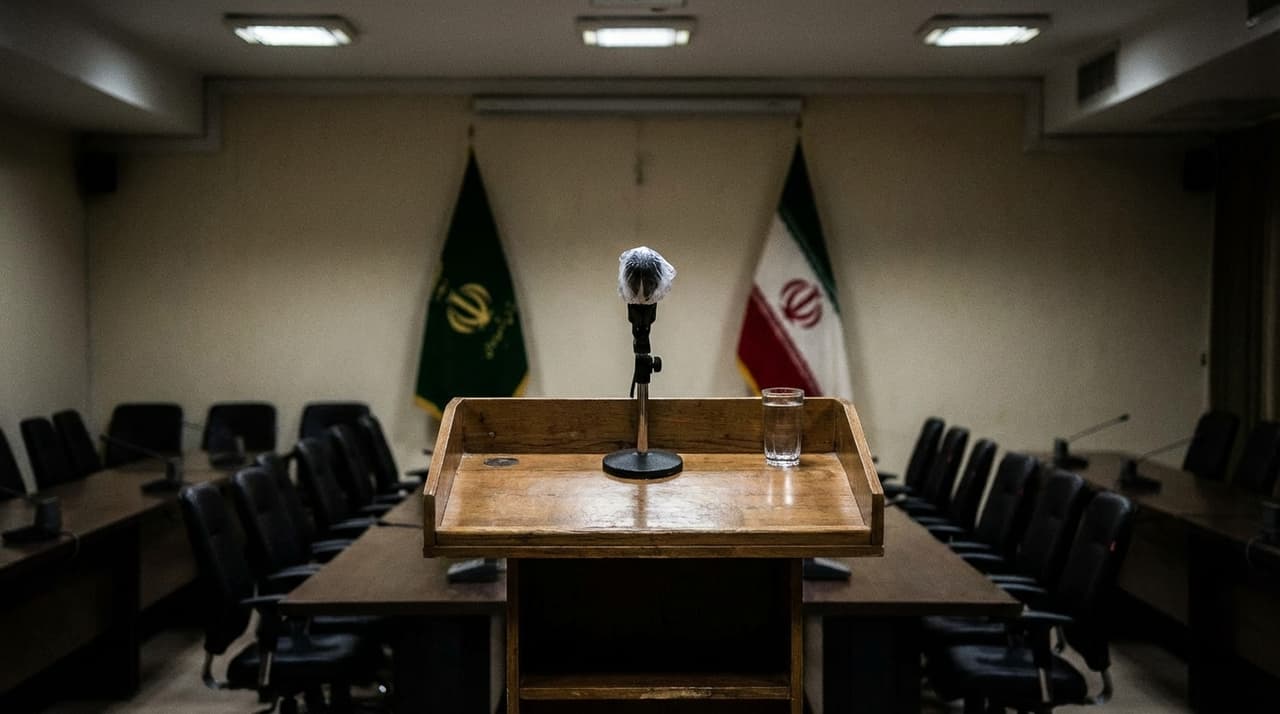
- Iranian President Masoud Pezeshkian and parliamentary commission declare any attack on Supreme Leader Ayatollah Ali Khamenei equates to war against Iran and the Islamic world, potentially triggering a jihad decree.
- Ongoing protests since late December 2025 over economic woes have escalated into the regime's largest challenge in years, with security forces imposing a communications blackout and death toll estimates ranging widely.
- U.S. President Donald Trump's recent criticism of Khamenei as a "sick man" needing replacement adds to heightened tensions, with Iran attributing unrest to foreign meddling and threatening retaliation against U.S. and Israeli bases.
Iranian President Masoud Pezeshkian issued a stark warning on January 18, 2026, stating that any attack on Supreme Leader Ayatollah Ali Khamenei would be considered "all-out war" against Iran. This rhetoric, echoed by a parliamentary commission reported by ISNA, frames such an act as tantamount to war on the Islamic world and capable of triggering a jihad decree, according to people familiar with the matter. The statements come amid intensifying domestic protests and a government crackdown that has plunged the nation into turmoil.
Protests erupted in late December 2025 over economic hardships, quickly escalating into what analysts describe as the regime's most significant challenge in years. Security forces imposed a communications blackout starting January 8, 2026, labeled a "massacre" by human rights groups. Death toll estimates vary dramatically: official and Reuters sources cite around 538, while opposition groups like the Iran Human Rights organization report figures between 5,000 and 20,000. Limited internet access briefly returned before being cut off again, and state TV was hacked with opposition messages, highlighting the regime's vulnerabilities. Arrests continue, including 50 organizers in Gilan province, though officials claim order has been restored in urban areas, with schools reopening and some services like WhatsApp and calls being reinstated.
U.S. President Donald Trump added fuel to the fire in a January 17 Politico interview, calling Khamenei a "sick man" who needs replacement and criticizing violence against protesters. Iranian officials, including Parliament Speaker Mohammad Bagher Ghalibaf on January 11, have attributed the unrest to U.S. and Israeli "foreign meddling" and sanctions, with militias threatening U.S. and Israeli bases if attacked. The U.S. is considering options including strikes on nuclear and missile sites or cyberattacks, as noted in a Pentagon briefing on January 13, though such actions are reportedly days away. Trump previously backed Israel's actions against Iran in June 2025, further straining relations.
Efforts to manage the crisis have hit a snag, with the communications blackout hindering verification of events and sparking global human rights outcry. Protesters are demanding regime change, while security forces face bandwidth strains in regions like the southeast, where Baloch attacks have occurred. Stakeholders include grieving families, opposition groups broadcasting via hacked channels, and regime supporters who view the riots as foreign plots. Public reactions remain muted by the blackout, but opposition channels report high casualties, according to sources close to the matter.
This wave of unrest builds on previous protests, such as those following Mahsa Amini's death in 2022–2023, and stems from economic frustration amid sanctions. It echoes past U.S.-Iran escalations, including Trump's "maximum pressure" campaign and the 2020 killing of Qasem Soleimani. In the short term, risks include potential U.S. cyberattacks or strikes and Iranian retaliation, with protests possibly reemerging through figures like Hamid. Long-term, experts note that while Khamenei's "untouchability" is reinforced by military and proxy threats, the regime could weaken if unrest compounds. Some analyses suggest the U.S. may delay attacks to maintain a facade of diplomacy.
Related developments include Israel striking Hezbollah in Lebanon and thwarting Hamas plots, aiming to exploit Iran's weakness without direct intervention. Iraqi militias have threatened the U.S. embassy, and regional proxies like Hezbollah affirm plans for retaliation. Baloch groups are monitoring and may escalate violence in response. Without a deal to address the underlying economic and political grievances, the situation could spiral further, though officials claim dialogue is being restored, according to Russian statements. Attempts to reach Iranian authorities for additional comment were unsuccessful at press time.