- Senate Democrats, led by Majority Leader Chuck Schumer, are blocking a $64.4 billion DHS funding bill unless it includes mandatory body cameras and mask bans for ICE and CBP agents.
- The standoff follows fatal shootings of U.S. citizens Alex Pretti and Renee Good in Minneapolis during "Operation Metro Surge," escalating tensions over accountability and enforcement tactics.
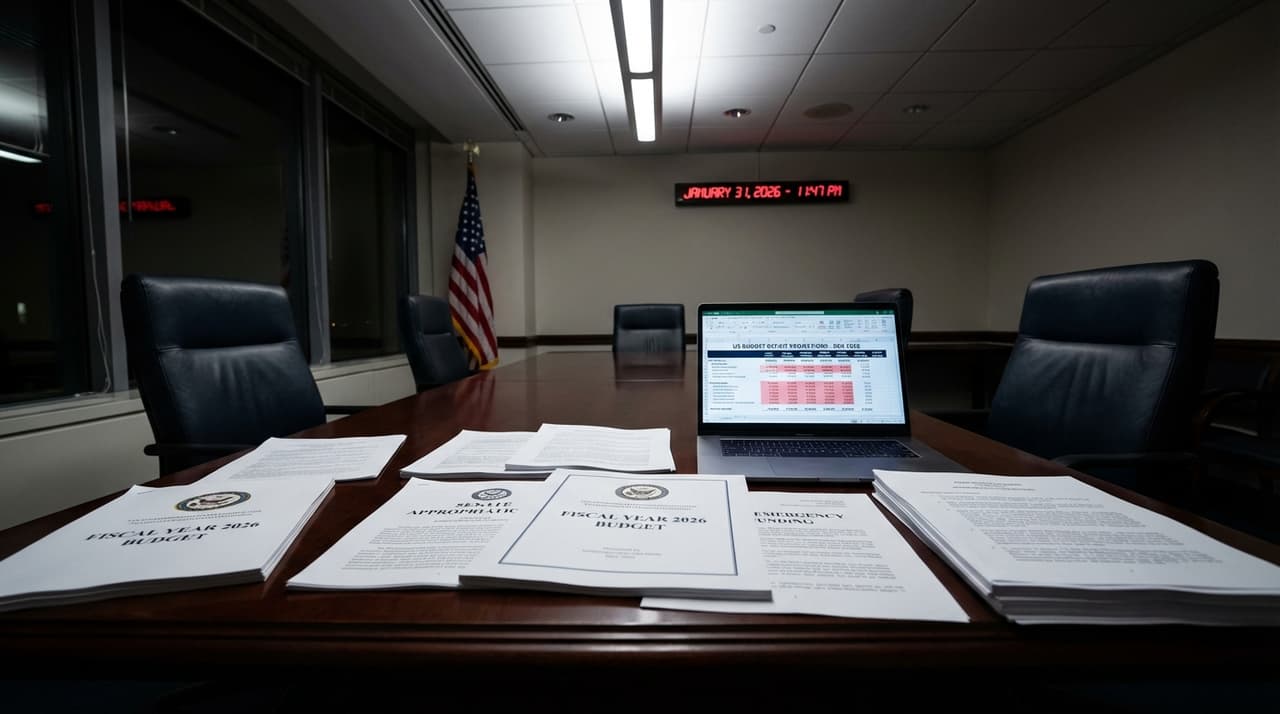
- With a government shutdown deadline of January 31, 2026, negotiations have stalled, threatening 78% of government operations as House Republicans prepare to return next week.
Senate Majority Leader Chuck Schumer has drawn a hard line in the sand, demanding that U.S. immigration agents from ICE and CBP wear body cameras and forgo masks during enforcement operations. This stance, which has brought Senate negotiations to a halt, comes amid intense backlash over fatal shootings in Minneapolis, where ICE agents killed U.S. citizens Alex Pretti and Renee Good in separate incidents during "Operation Metro Surge." According to people familiar with the matter, Schumer's Tuesday ultimatum has left Democrats refusing to pass the House-approved DHS bill without reforms, risking a government shutdown by the end of the month.
Efforts to restructure oversight have hit a snag, with Democrats citing ICE's lack of accountability as a key sticking point. The proposed DHS appropriation includes $20 million for body cameras and de-escalation training, but Schumer and his allies insist these measures be enshrined in law rather than left to discretionary funding. "Without a deal, the agency would be forced into a shutdown scenario," one Senate aide noted, highlighting the high stakes as the January 31 deadline looms. House Republicans, who return next week, face mounting pressure to avert a crisis that could halt 78% of government operations, including critical ICE activities.
In Trump's second term, which began in 2025, policies have shifted dramatically, with the administration rescinding Biden's 2021 executive order on federal body cameras and issuing orders for more aggressive enforcement. A recent memo easing deportations of U-visa and T-visa applicants has sparked lawsuits and protests, eroding trust in what critics call "unmarked" operations. States like Minnesota have responded with legal challenges and allocated $25 million for legal aid, while California's ban on masks for officers faces its own court battles. Democrats, including Sens. Chris Murphy and John Fetterman, are pushing for reforms or firings, such as targeting DHS Sec. Kristi Noem, while Reps. Shri Thanedar and Delia Ramirez advocate for defunding or abolishing ICE altogether.
The societal impact is palpable, with incidents fueling public outcry and dividing opinion on accountability versus agent safety. Advocates point to masked agents' crowd control and warrantless entries as eroding transparency, while some argue that cameras and unmasking could compromise operational security. "What we're seeing is a clash over the very role of enforcement in our communities," said a policy analyst, speaking on condition of anonymity. The short-term outlook remains precarious: if no deal is reached, a shutdown could force concessions or halt ICE operations entirely. Long-term, experts predict ongoing clashes, with potential laws mandating cameras and unmasking if Democrats prevail, though Brookings has recommended less drastic steps like adding insignia to vehicles for transparency.
Correction: An earlier version misstated the amount of the DHS bill; it is $64.4 billion, not $64 billion.