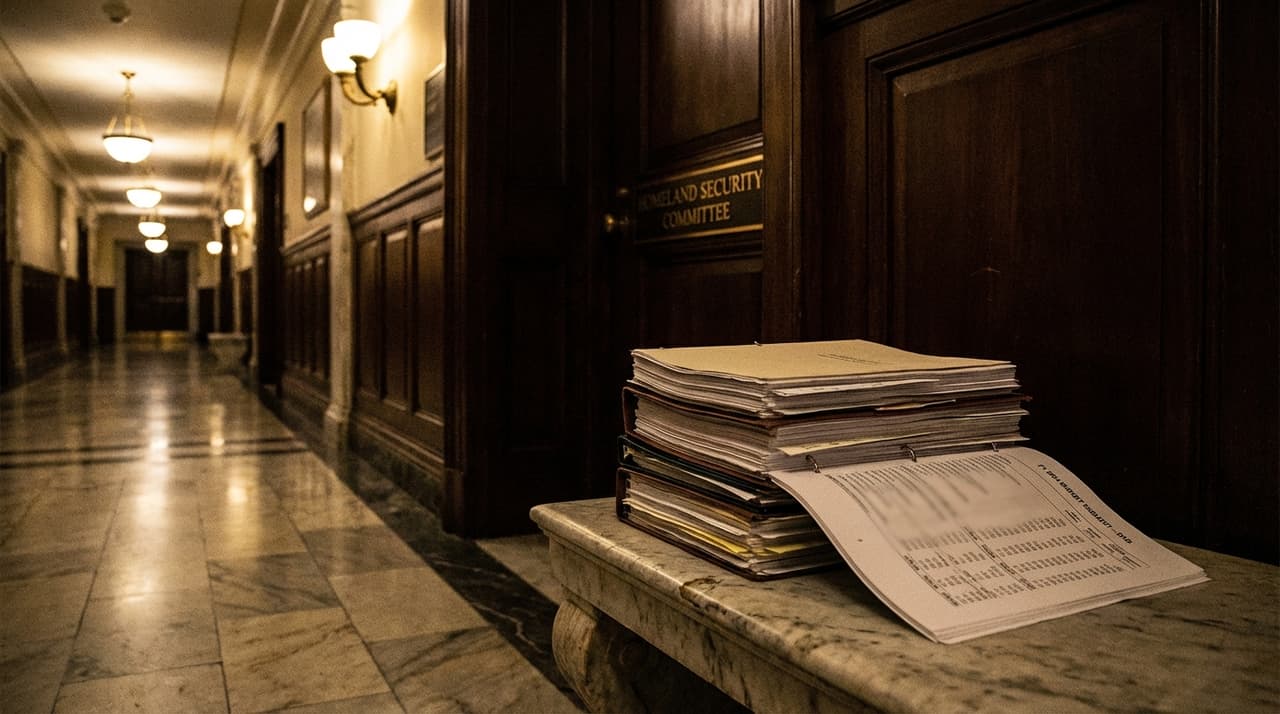
- Democrats pull backing from bipartisan funding package, demanding separate DHS negotiations after fatal shooting of Alex Pretti by federal agents
- Partial government shutdown threatens to begin Saturday, affecting half of federal agencies including TSA, cybersecurity, and FEMA
- Political impasse centers on immigration enforcement clashes, with calls growing for DHS Secretary Kristi Noem to resign amid the crisis
Congress is racing toward a partial U.S. government shutdown by January 30, 2026, as Democrats withhold support from a bipartisan funding package over disputes on Department of Homeland Security reforms following the fatal shooting of Alex Pretti by federal agents. The House passed a "minibus" bill funding DHS, Defense, Labor, Health and Human Services, Education, Transportation, Housing and Urban Development, State, and Treasury through September, but Democrats pulled backing after Pretti's death on Saturday.
Efforts to restructure the funding package have hit a snag as Democrats demand separate DHS negotiations including third-party warrants, deescalation training mandates, and restrictions on detaining U.S. citizens. According to people familiar with the matter, the political context revolves around partisan immigration enforcement clashes that have intensified in recent weeks.
Senate Minority Leader Chuck Schumer criticized the DHS bill as inadequate for curbing Immigration and Customs Enforcement abuses, while the package includes concessions like a $1 billion cut to Customs and Border Protection, flat ICE funding with reduced detention capacity, $20 million for body cameras, and deescalation training—though not fully mandated. "We cannot support a package that fails to address systemic issues within DHS," a Democratic aide said, speaking on condition of anonymity.
President Trump, via White House Press Secretary Karoline Leavitt, urged passage of the existing deal after discussing Minnesota deployments with Gov. Tim Walz, who seeks reduced federal operations and an independent Pretti investigation. "The President believes this package represents a reasonable compromise that avoids a dangerous shutdown," Leavitt told reporters Wednesday morning.
Without a deal, the government would be forced into a partial shutdown starting Saturday, affecting operations including Transportation Security Administration, cybersecurity, Federal Emergency Management Agency, and others. Stakeholders face furloughs for 1.3 million active-duty troops, delayed veterans' care, food assistance cuts, and travel disruptions from unpaid air traffic controllers and TSA agents.
Senate Republicans advanced procedural steps for a Thursday vote but resist splitting the bill, with the House in recess until Friday. Calls grow for DHS Secretary Kristi Noem to resign amid the impasse, though her office declined to comment when reached Wednesday afternoon.
This echoes Democrats' 43-day shutdown demands for spending on immigrant benefits, where they blocked clean resolutions 12 times despite prior support under the Biden administration. Senate vote looms Thursday with high shutdown risk absent compromise, and prolonged shutdowns could exacerbate market unease, border policy fights, and governance distrust, according to conservative analyses.
Sen. Susan Collins stressed bipartisan safeguards and non-controversial funding to avoid lurching into shutdown. "We have a responsibility to keep the government functioning while addressing legitimate concerns," she said during floor remarks. The White House continues to back the package to avert what officials describe as a "dangerous" closure, but Democrats' ICE reform demands persist as the deadline approaches.