- President Trump asserts Venezuela's Vice President expressed readiness to "do whatever you need," hinting at potential diplomatic openings.
- US military actions, including the "Southern Spear" operation and carrier deployments, intensify pressure on Venezuela's drug-trafficking networks.
- Geopolitical tensions rise as Maduro warns against turning Venezuela into the "Gaza of South America," with oil market volatility looming.
A Shift in Rhetoric and Naval Maneuvers
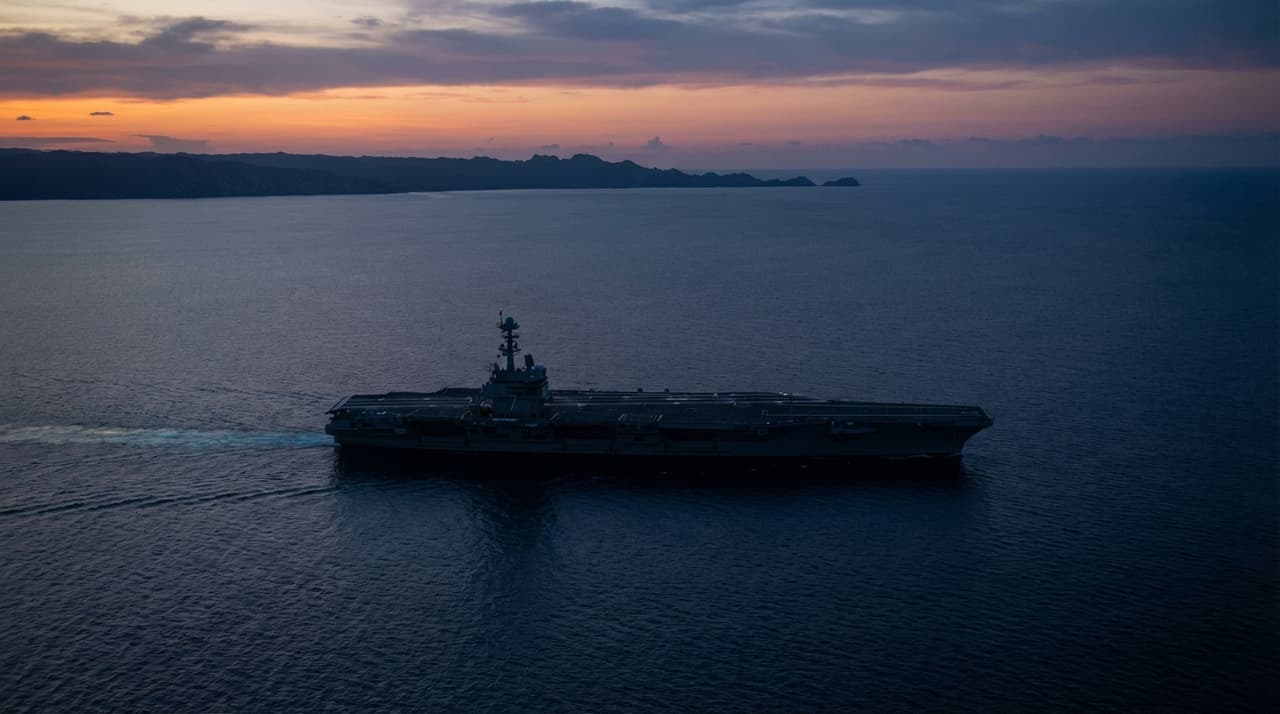
In a statement that caught analysts off-guard, President Donald Trump revealed that Venezuela's Vice President has signaled willingness to accommodate US demands, according to people familiar with the matter. This comes as the US escalates military operations in the region, with recent reports from late 2025 indicating Trump has "already decided" on unspecified actions following high-level meetings with military leaders. The deployment of the USS Gerald Ford carrier and the "Southern Spear" operation, which involved a deadly strike on a suspected drug boat killing four, underscores the administration's hardened stance.
Efforts to curb drug flows have hit a snag, with Trump designating the Venezuelan government as a foreign adversary and claiming its leadership seeks talks with the US. Without a deal, the risk of further military escalation could destabilize Venezuela's oil-dependent economy, already strained by sanctions. Market watchers note that rising US naval presence near Venezuela, including exercises in Trinidad and Tobago through November 21, 2025, signals shifts in Latin American security dynamics, potentially sparking volatility in energy markets due to Venezuela's vast reserves.
Political Standoff and Regional Implications
Maduro has broadcast calls for "peace, life, and love" on state TV, framing the US as an aggressor and warning against turning Venezuela into the "Gaza of South America." This rhetoric echoes past clashes, building on Trump's 2019 recognition of Juan Guaidó as interim president over Nicolás Maduro, which invoked the "full weight of economic and diplomatic power" for democracy restoration. Recent moves, overseen by Secretary Pete Hegseth and Gen. Dan Caine, have provoked accusations from Chavismo of aggression, with allies urged to back Guaidó-like figures.
Stakeholders, including Venezuelan civilians, face heightened risks from US strikes and Maduro's crackdowns, while regional neighbors like Trinidad and Tobago host US exercises, sparking local tensions. The public remains divided on intervention costs, with media speculation swirling over a potential invasion. Experts, via sources like the Washington Post, note a "variety of options" are being discussed, but Maduro vows resistance, suggesting sustained pressure without full invasion may prevail based on historical patterns.
Looking Ahead
In the short term, the focus is on whether the VP's overtures lead to tangible talks or if Trump's undisclosed "decision" triggers more "Southern Spear" strikes. The long-term outlook points to a risk of broader conflict or regime change, with operations aiming to disrupt the "massive entry of drugs" affecting global trade routes. As this unfolds, the geopolitical chess game continues, with each side maneuvering for advantage in a high-stakes environment.
Correction: An earlier version misstated the timing of the USS Gerald Ford deployment; it is part of ongoing operations as of late 2025.